
Every season, the anime community collectively decides which shows deserve attention. The verdict comes fast—trending hashtags, YouTube video essays analyzing episode one, Reddit threads debating power scaling before the first arc even ends. And every season, some genuinely excellent anime gets buried while something aggressively mediocre dominates the conversation for three months straight.
The pattern repeats with ritualistic precision. A show gets hyped. Everyone watches it. Half the viewers insist it’s revolutionary. The other half calls it overrated trash. Both sides screenshot the same three scenes to prove their point. Then the season ends, the discourse evaporates, and nobody mentions it again except to use it as ammunition in future arguments about completely different shows.
But here’s the uncomfortable part: popularity and quality aren’t enemies. They’re just not particularly good friends either.
The Difference Between Viral and Valuable
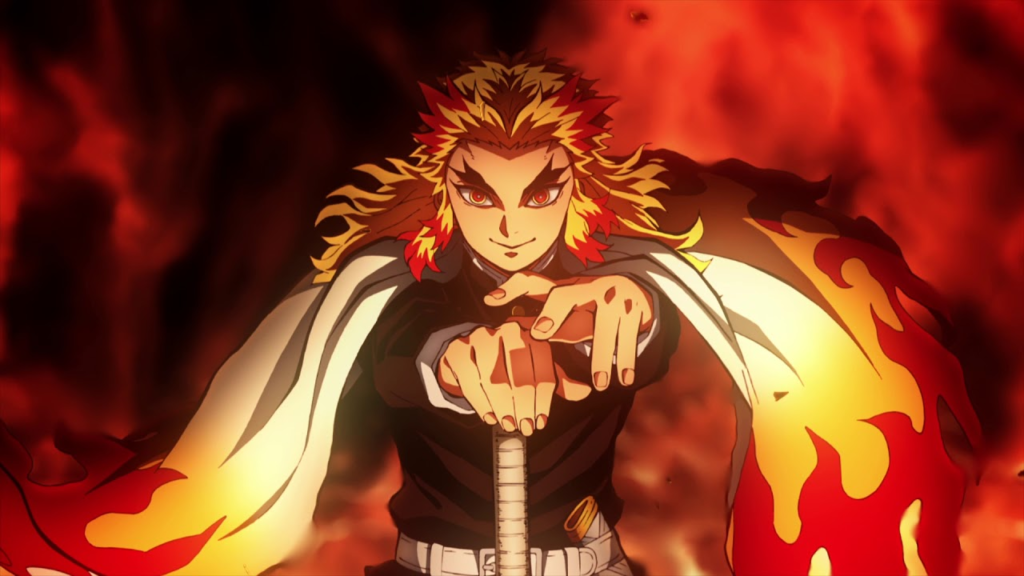
Demon Slayer became the highest-grossing anime film of all time with Mugen Train. The movie made over $500 million globally—a staggering achievement that speaks to ufotable’s technical mastery and the franchise’s broad appeal. The Rengoku fight sequence demonstrates some of the most sophisticated digital compositing in anime production, with effects layers that would make most studios weep into their rendering farms.
Does that make Demon Slayer a masterpiece of storytelling? Does box office revenue correlate with narrative complexity or thematic depth?
The answer lives in the difference between spectacle and substance. Demon Slayer excels at delivering emotional catharsis through impeccable visual presentation. Tanjiro’s journey resonates because it’s fundamentally uncomplicated—a kind boy wants to save his sister and happens to be extraordinarily good at killing demons while looking beautiful doing it. There’s nothing wrong with this. But the hype machine treats commercial success as artistic validation, which creates a weird distortion where popularity becomes synonymous with quality.
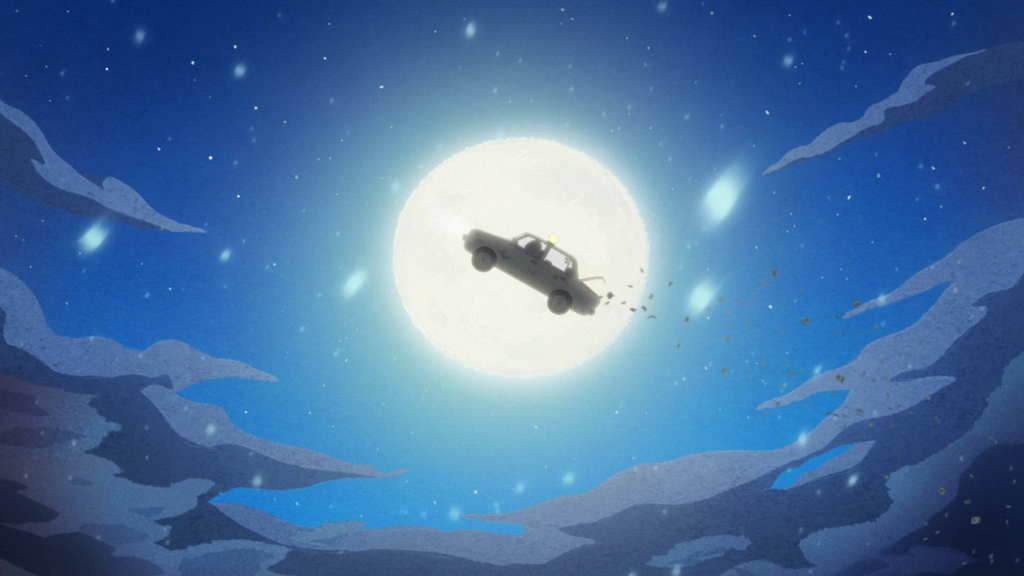
Meanwhile, Odd Taxi aired the same year with a fraction of the budget and viewership. The anthropomorphic animal designs probably scared off half the potential audience immediately—talking animals doing noir mystery doesn’t exactly scream mainstream appeal. Yet director Kinoshita Baku constructed one of the tightest narrative puzzles in recent anime, where every conversation in Odokawa’s taxi served the larger mystery without ever feeling mechanical. The show trusted its audience to remember details from episode three that wouldn’t pay off until episode eleven.
Nobody made $500 million discussing Odd Taxi. But six months later, the people who watched it could still describe specific scenes. The people who watched Demon Slayer mostly remembered how pretty it looked.
When Production Values Hide Weak Writing
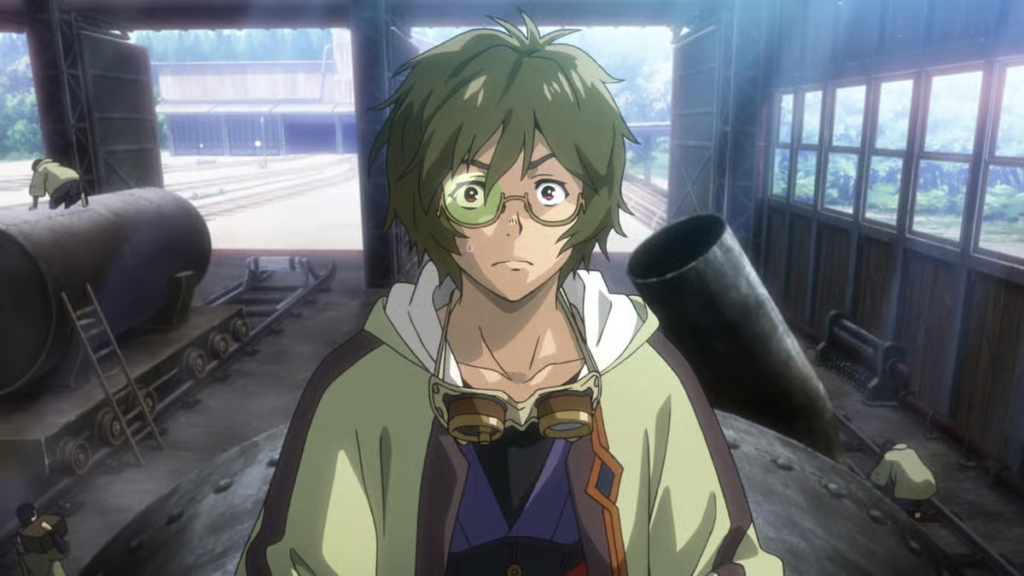
High-quality animation can disguise structural problems the same way expensive ingredients can’t save a poorly balanced recipe. Kabaneri of the Iron Fortress had everything going for it—Wit Studio fresh off Attack on Titan, apocalyptic steampunk zombies, Sawano Hiroyuki’s bombastic soundtrack. The first three episodes suggested something special might be happening.
Then the writing collapsed into incoherence, character motivations evaporated, and the plot started making decisions that felt generated by throwing darts at a board labeled “dramatic twists.” But it looked incredible while falling apart, which kept people watching even as the narrative structural integrity disintegrated like the show’s titular fortresses.
This pattern emerged during anime’s digital production revolution in the 2000s. As studios gained technical capabilities, some discovered they could compensate for weak scripts with visual spectacle. The approach works—for one season. Then the show ends, and there’s nothing worth rewatching except specific sakuga cuts that fans clip and upload to Twitter.
Compare this to something like Monster, which deliberately chose a muted visual style that prioritized atmosphere over flash. Director Kojima Masayuki adapted Urasawa Naoki’s manga with almost theatrical pacing—long takes, minimal music, extended dialogue scenes where characters just talk in dimly lit rooms. The production “quality” by conventional metrics wasn’t impressive. The shot composition was functional. The animation conserved movement.
But twenty years later, people still discuss Monster‘s exploration of post-Cold War European trauma, the psychology of manufactured identities, and whether Johan represents evil or emptiness. Because the writing had enough depth to sustain analysis beyond “that scene looked cool.”
The Underrated Problem: Quality Without Marketing
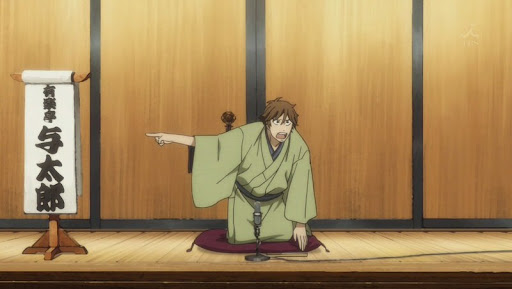
The inverse situation creates its own tragedy. Exceptional anime gets ignored because it lacks the marketing infrastructure to compete with seasonal juggernauts, or because it commits the sin of being “weird” in ways that don’t translate to viral clips.
Showa Genroku Rakugo Shinju adapts a manga about traditional Japanese storytelling performances. The premise couldn’t be less accessible to international audiences—cultural context matters enormously, the humor requires understanding of specific rakugo conventions, and the emotional core depends on appreciating an art form most viewers have never encountered. Studio Deen produced it with modest resources during a season dominated by flashier shows.
It’s also one of the most sophisticated character studies in anime. The relationship between Yakumo and Sukeroku explores artistic rivalry, jealousy, admiration, and something more complicated than friendship through their performances and silences. Director Hatakeyama Mamoru used the rakugo performances themselves as character development—the way Yakumo’s Shinigami evolved over decades revealed more about his psychological state than explicit dialogue ever could.
But you can’t clip thirty seconds of a rakugo performance and make it go viral. You can’t explain why it’s brilliant in a tweet. So it remains perpetually “underrated” while objectively worse shows with better marketing timing dominate seasonal discussions.
The economics influence this too. Rakugo Shinju aired on broadcast television with minimal streaming availability initially. Demon Slayer had Aniplex’s full global marketing apparatus, simultaneous worldwide release, and algorithm-friendly content that translated across cultural boundaries. Quality aside, one show had structural advantages the other never could.
What Actually Makes Anime Good
Strip away the marketing, ignore the discourse, forget the MyAnimeList scores. What remains is craft—the specific choices directors and writers make in how they tell stories.
Ping Pong the Animation looks “bad” by conventional standards. Yuasa Masaaki’s directorial style deliberately distorts proportions, uses limited animation, and embraces visual abstraction. The character designs aren’t cute. The colors are harsh. By every metric the average viewer uses to judge “good animation,” it fails.
Then you watch Peco’s match against Dragon and realize the visual distortion serves emotional truth. The way Yuasa stretches and compresses space during rallies communicates psychological state better than realistic motion ever could. The “ugly” art style becomes the only way to properly adapt Matsumoto Taiyo’s manga without losing its essential character.
Good anime makes deliberate choices. Every shot composition, color palette shift, musical cue, and dialogue exchange serves specific narrative or thematic purposes. Bad anime makes default choices—the ones that require less thought, follow established patterns, or prioritize safe crowd-pleasing over artistic vision.
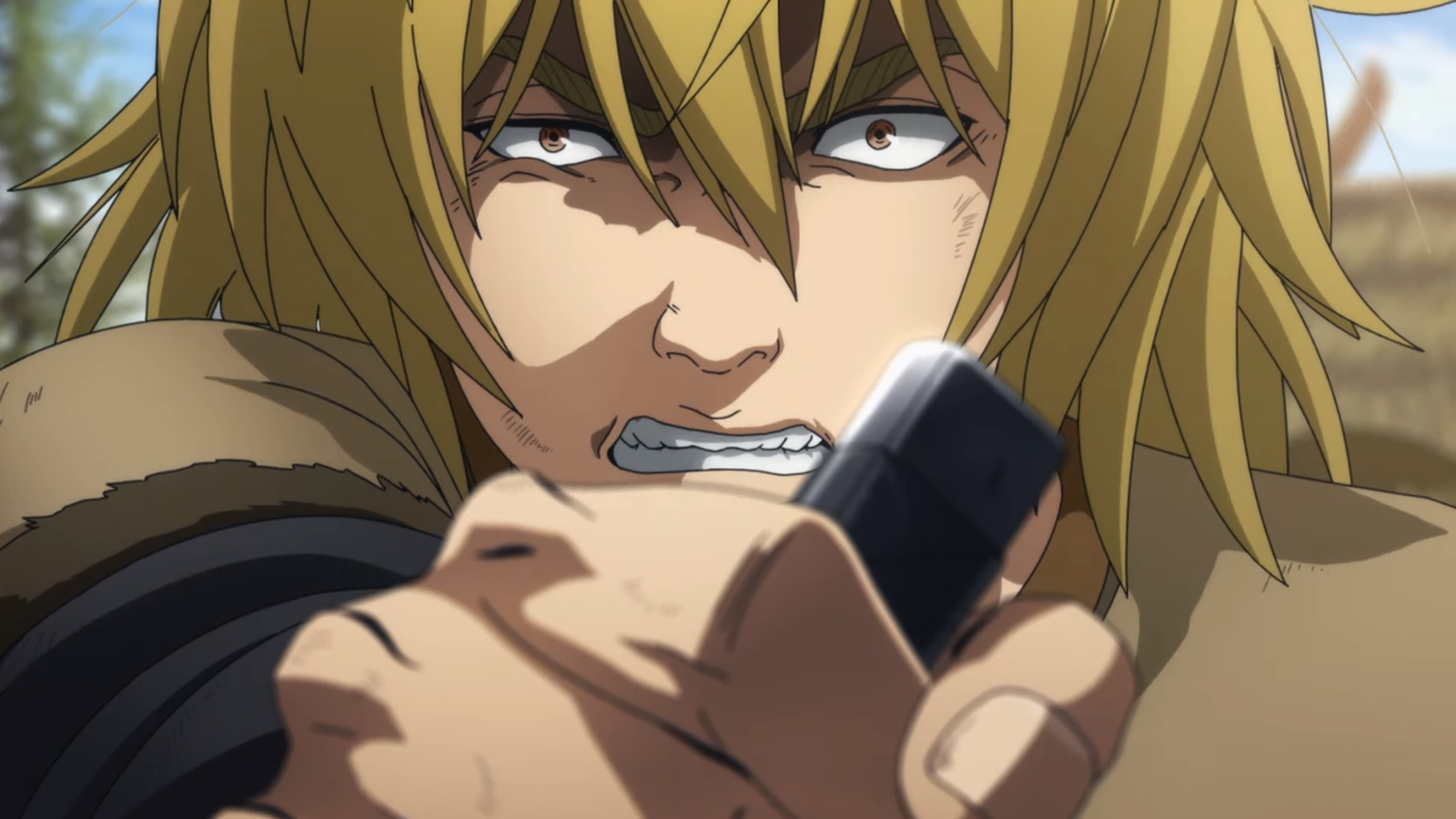
Vinland Saga uses violence to deconstruct violence. Thorfinn’s berserker rage gets animated with brutal kinetic force during the prologue arc, then the series slowly dismantles the mythology of warrior glory it initially celebrated. Director Yabuta Shuhei frames Thorfinn’s most impressive combat sequences to feel hollow rather than triumphant. The same studio that made fighting look spectacular makes it look purposeless, because the story demands it.
That’s craft. That’s quality beyond hype.
The anime that dominate seasonal conversations aren’t automatically bad. The anime nobody discusses aren’t automatically good. But conflating popularity with quality creates a weird amnesia where genuinely great shows get forgotten because they weren’t culturally dominant during their airing window.
The solution isn’t rejecting popular anime or championing every obscure title. It’s developing the ability to recognize when spectacle substitutes for substance, when technical excellence elevates weak material, or when marketing success masks mediocrity. Quality exists independent of hype cycles. You just have to look past the trending tags to find it.