

If you’ve watched more than three episodes of anime in your life, you’ve seen it happen. A character leaps into the air, pauses reality itself, and announces exactly what they’re about to do. Not metaphorically. Not subtly. Out loud. Sometimes twice. Sometimes while the enemy politely waits.
At first, it feels ridiculous. Then it feels normal. Eventually, it feels wrong when they don’t explain it. And that’s when you realize this isn’t a flaw. It’s a feature.
Let’s talk about the real reason anime characters explain their attacks—and why the industry quietly depends on it more than it ever admits.
1. Combat Isn’t About Fighting, It’s About Being Understood
Anime fights rarely exist to answer the question “who wins?” They exist to answer a much more important one: did you understand why they won?
Take Goku yelling “Kamehameha” for the 400th time. Akira Toriyama didn’t do this because he thought audiences were forgetful. He did it because Dragon Ball fights are less about choreography and more about escalation. Every named attack is a benchmark. This one is stronger. This one costs more. This one will probably destroy the planet if it misses, so please pay attention.
In Hunter x Hunter, this idea gets weaponized. Gon and Killua don’t just shout attacks—they explain Nen conditions in horrifying detail. Characters who overshare their abilities often gain power because they overshare. It’s a narrative loophole disguised as exposition. The more a character talks, the deadlier they become. That’s not bad writing; that’s a threat with footnotes.
What’s fascinating is how this creates tension without motion. Entire episodes pass where nothing moves, but everything changes. A fight pauses so a character can explain a self-imposed rule that will shorten their lifespan. Suddenly, you’re not watching a punch—you’re watching a contract being signed in blood.
It works because clarity creates stakes. Confusion kills momentum. And anime hates wasted momentum almost as much as it hates parents.
2. Manga Economics Made Silence Too Expensive
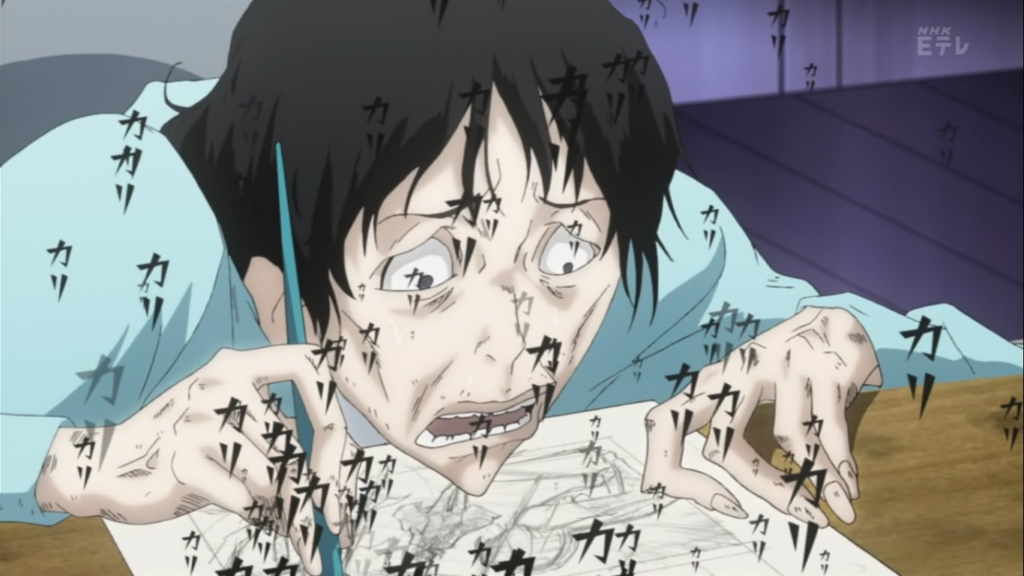
Here’s the part people don’t like to talk about: anime characters explain their attacks because drawing is expensive and printing is worse.
Manga is serialized under brutal conditions. Weekly deadlines. Exhausted artists. Editors hovering like vultures with MBA degrees. Explaining an attack in dialogue means fewer panels showing it from seventeen angles. Words are cheaper than ink, and ink is cheaper than animators.
There’s also the anime adaptation problem. Animation studios stretch single chapters into full episodes. That iconic mid-air pause where a character explains their move? That’s not artistic flair. That’s the sound of a production committee buying time.
Culturally, this aligns with Japanese storytelling traditions that prioritize clarity and intent. Saying what you’re doing isn’t seen as redundant—it’s respectful. The audience isn’t supposed to guess. They’re supposed to follow. In a society where overwork is normalized and sleep is optional, entertainment that demands less mental guesswork isn’t laziness. It’s mercy.
And yes, this is also why villains explain their master plans. If you’re going to lose everything, you might as well make sure someone understood how clever you were.
3. It Turns Violence Into Character Study
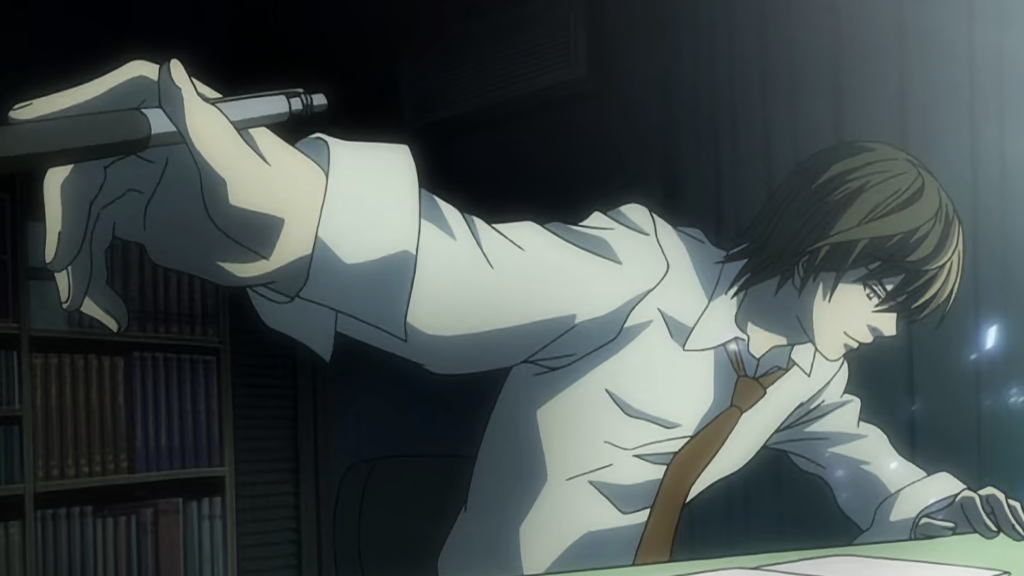
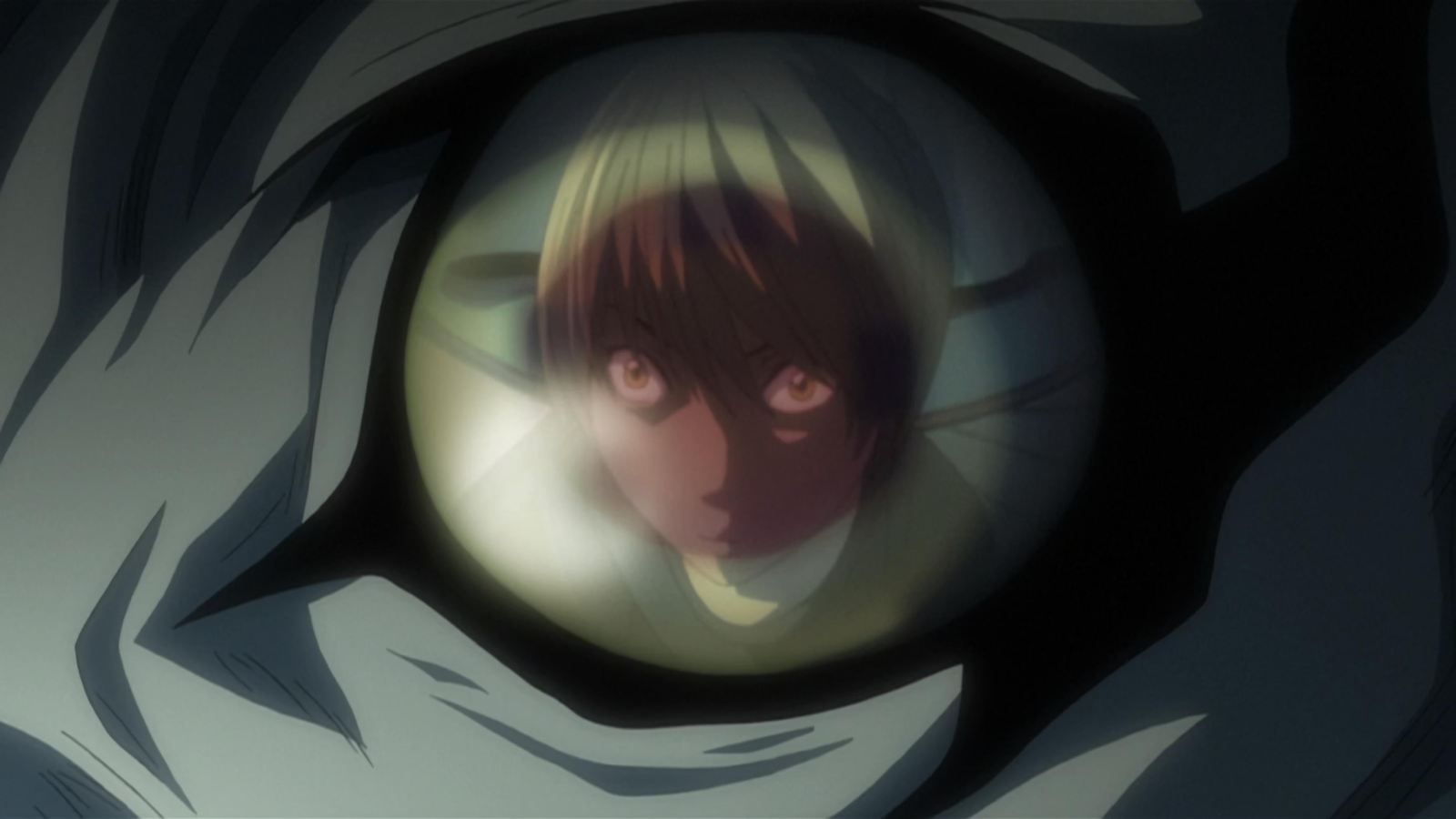
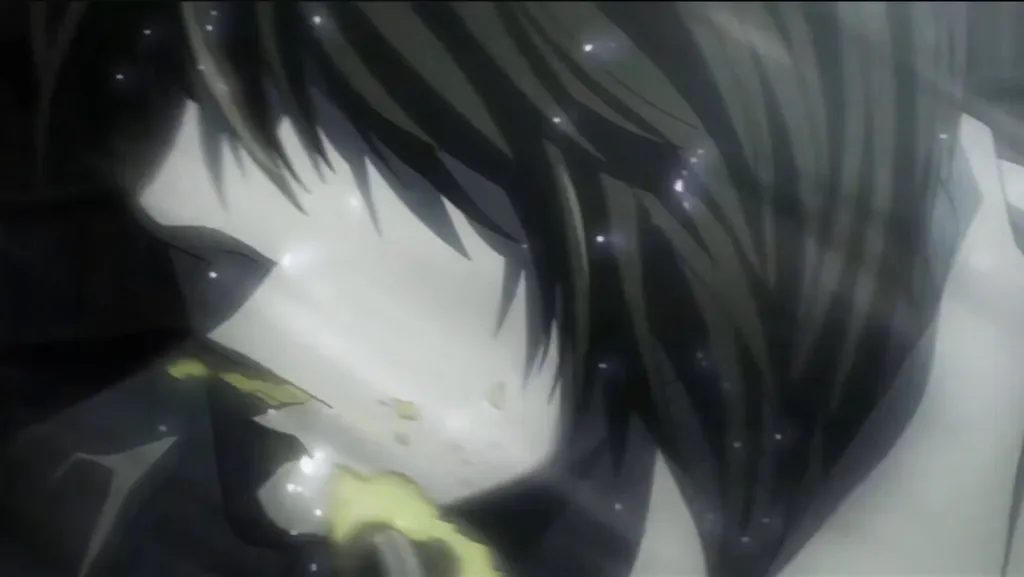
When Light Yagami explains his thought process, nobody complains about realism. That’s because the explanation is the fight. His weapon isn’t the Death Note—it’s narration. The real battle is between egos, not bodies.
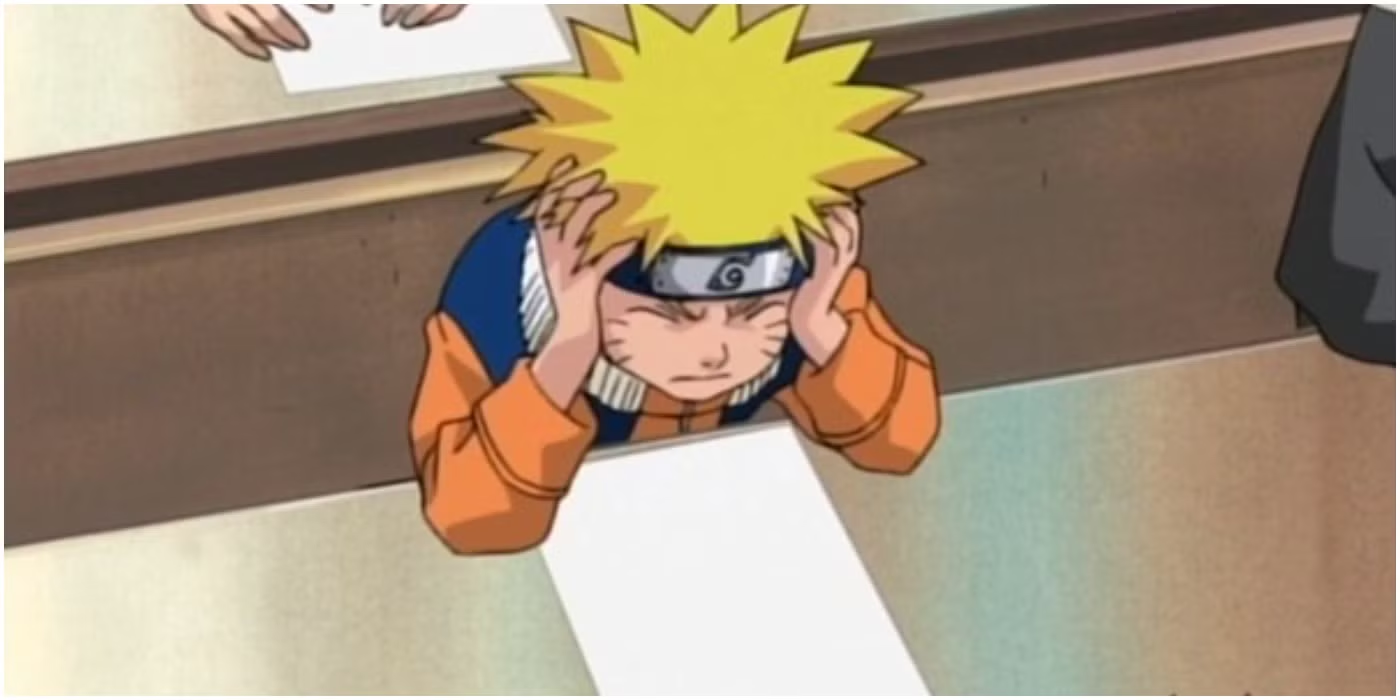
Attack explanations often reveal personality. Naruto shouting technique names isn’t tactical; it’s emotional. He wants recognition. Bleach’s Byakuya explains almost nothing, and when he does, it feels like a funeral announcement. Same action. Completely different tone.
Sometimes, the explanation is the last human thing a character does. In JoJo’s Bizarre Adventure, explanations spiral into insanity. Characters narrate their own downfall with scientific confidence, seconds before being flattened by a steamroller. The absurdity doesn’t weaken the moment—it sharpens it. You’re watching someone intellectualize their own death.
And there’s a darker undercurrent: explaining an attack often means the character believes they’ve already won. It’s arrogance disguised as clarity. A victory lap before the finish line. Anime punishes that belief constantly, which makes every explanation feel like tempting fate.
When a character finally stops explaining and just acts, it’s terrifying. Silence becomes power. The absence of explanation signals that things are about to go very wrong for someone who still thinks this is a lecture.
Conclusion: The Monologue Is the Point
Anime characters explain their attacks because anime isn’t trying to simulate reality. It’s trying to control emotion, pacing, and meaning in the most efficient way possible. The explanation isn’t a pause in the action—it is the action.
Once you notice that, the shouting stops being silly. It becomes ritual. A spell cast on the audience as much as the opponent.
And honestly, if you were about to unleash a move that took ten years off your life and cost three animators their sanity, you’d probably want credit too.