
If you’ve ever watched Attack on Titan and felt personally targeted by its body count, you’re not imagining things. The deaths aren’t random, edgy, or there just to ruin your weekend. There are rules. Brutal, consistent rules. Once you see them, every major death stops being shocking and starts feeling inevitable—like gravity, but with more screaming.
This world doesn’t kill characters because it’s bored. It kills them because they break, fulfill, or outgrow the system they’re trapped in. And the system always collects.
Rule One: The World Punishes Idealism Ruthlessly
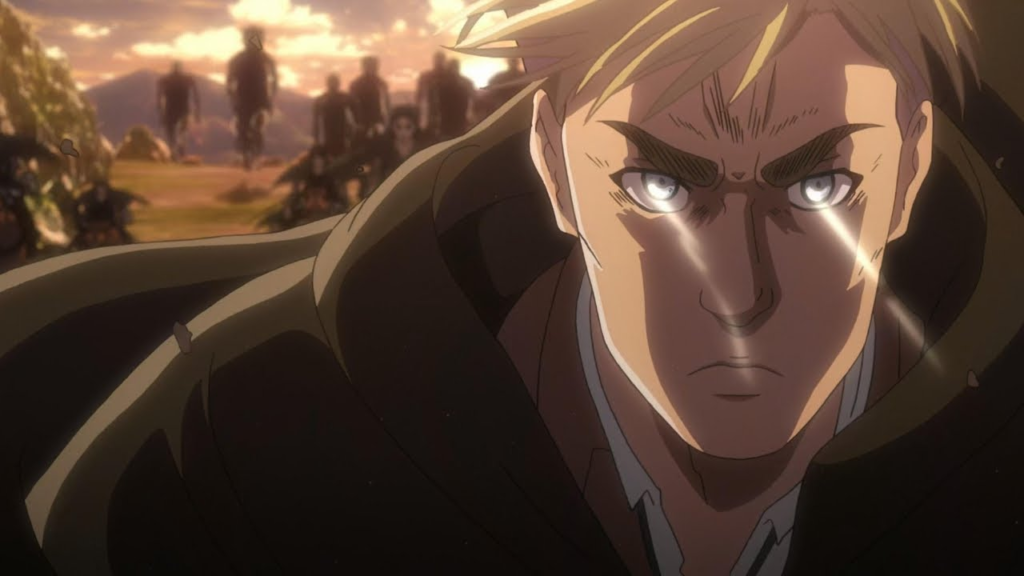
Idealism in this universe is a renewable resource—and it’s mined until the person holding it collapses. Early on, characters are rewarded for believing hard enough. Later, that belief becomes a liability.
Take Eren Yeager. His belief in freedom starts as a rallying cry. By the time it matures, it’s indistinguishable from a global extinction plan. The rule isn’t that idealists die young. It’s that idealism must evolve or be destroyed. When it refuses to adapt, the world does the adapting for it—with casualties.
Erwin Smith is the cleanest example. He knows his dream is selfish. He knows leading soldiers to die for it is morally ugly. And still, he keeps walking forward. His death isn’t tragic because he dies. It’s tragic because the world lets him die after he’s finally honest about why he wanted to live.
Author Hajime Isayama once mentioned that he wanted characters who felt like real people trapped in history, not heroes blessed by narrative armor. History doesn’t reward sincerity. It just records it.
This hits harder when you notice how post-war Japanese culture influences the story. The tension between personal dreams and collective responsibility mirrors real economic realities—generations raised to sacrifice stability, ambition, or even identity for survival. When the system demands everything, idealism becomes an unaffordable luxury.
Rule Two: Survival Requires Moral Debt—and It Always Comes Due
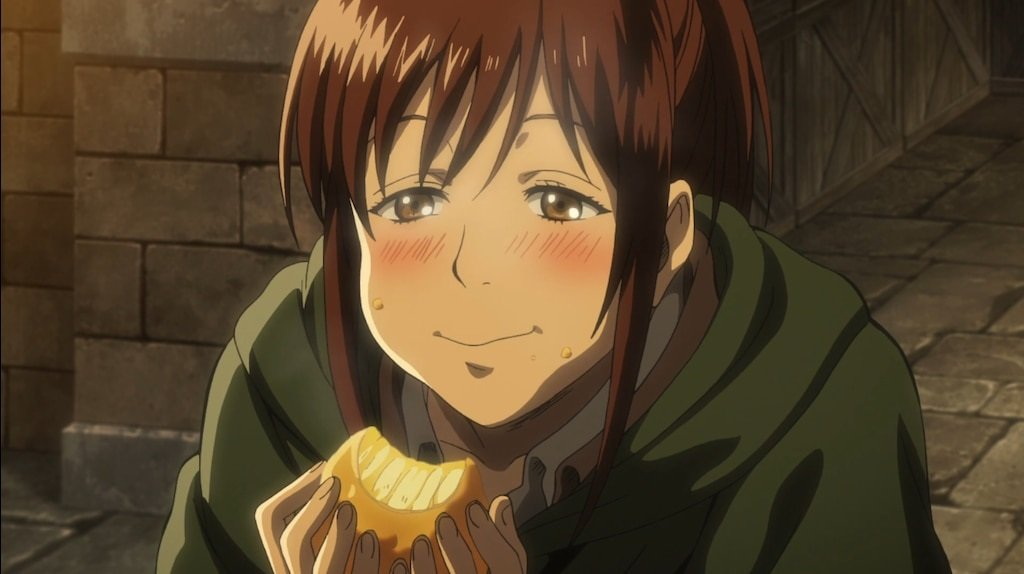
Living in this world isn’t free. Every extra day is bought with compromise, silence, or someone else’s blood. The interest rate is unforgiving.
Levi Ackerman survives not because he’s the strongest, but because he accepts the debt. He doesn’t romanticize sacrifice. He itemizes it. Friends, comrades, mentors—nothing is sacred enough to stop the math. That’s why he keeps breathing while others don’t. The bill is paid in advance.
Then there’s Sasha Braus. Her death hurts precisely because it’s mundane. No prophecy. No grand symbolism. Just consequences catching up on a train ride. The rule here is simple: if you survive long enough by luck, eventually reality notices.
What makes this especially uncomfortable is how familiar it feels. In real life, societies often reward people who can detach, compartmentalize, and keep moving. The cost shows up later—in burnout, guilt, or historical regret. Attack on Titan just skips the therapy arc and goes straight to the funeral.
A lesser-known detail: Isayama originally planned even fewer survivors. Some characters live not because the story softened, but because removing them would’ve broken the thematic balance. Survival, in this world, isn’t mercy. It’s structural necessity.
Rule Three: Once You Understand the System, You’re Already Dead

Knowledge is lethal. The closer a character gets to the truth of the world, the less room there is for them to exist comfortably inside it.
This is why revelations are often followed by deaths, not triumphs. Understanding the machinery behind the horror doesn’t grant power—it removes excuses. And once a character can no longer pretend, the world has no use for their innocence.
Eren’s final trajectory makes sense under this rule. Once he fully understands the system—history, cycles of violence, inherited hatred—there’s no path forward that doesn’t involve becoming the villain. The world doesn’t kill him for what he does. It kills him because there’s no version of him that can exist peacefully anymore.
This is also why secondary characters drop like flies right after moments of clarity. Realizing the truth doesn’t save you. It just shortens the time between acceptance and impact.
Conclusion: The Rules Were Always There
Attack on Titan doesn’t shock because it kills beloved characters. It shocks because it explains why they couldn’t survive. Idealism gets crushed. Moral debt gets collected. Understanding gets punished.
Once you see the rules, rewatches become less painful and more grimly fascinating. You stop asking why someone died and start wondering how long the world would allow them to live. And the answer is almost never “long enough.”
Which, honestly, feels a little too realistic for a show about giant naked people running around.