
If you’ve ever wandered into an online argument about “the greatest anime of all time,” you already know how it ends: someone quotes numbers, someone quotes childhood nostalgia, someone references unresolved emotional trauma, and someone threatens to “drop” the discussion forever.
The good news is that this time, we can actually talk about it using real data—averages across multiple platforms and a bit of statistical sanity—without pretending personal taste doesn’t exist.
This article is based on aggregated rankings from major platforms like MyAnimeList, AniList, IMDb, Kitsu, and historical Japanese polls. Positions were normalized and averaged to reach a fair consensus. The result isn’t an absolute truth (that doesn’t exist), but it’s the most honest snapshot possible of collective agreement… the kind of consensus that still manages to irritate everyone slightly.
Below, you’ll find the anime that survived the court of the internet. Not as a cold list, but as stories explaining why these works remain at the top—years after emotionally destroying millions of people.
Fullmetal Alchemist: Brotherhood — When Perfection Decides to Show Up
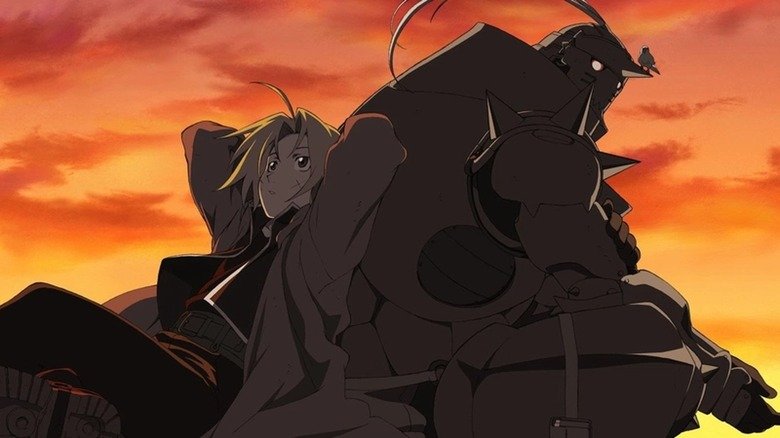
Few works have managed to be called “overrated” by almost everyone and still sit comfortably in first place. That’s the strange magic of Fullmetal Alchemist: Brotherhood, the faithful adaptation of Hiromu Arakawa’s manga produced by Bones.
The story begins with two brothers attempting to resurrect their mother using alchemy—because, obviously, nothing ever goes wrong when you challenge universal laws. The cost is high, both literal and metaphysical, and the narrative never lets the viewer forget it. War, genocide, authoritarianism, and scientific fanaticism are handled with the subtlety of a perfectly aimed punch to the gut.
What keeps this series at the top of rankings is its almost offensive balance: action, drama, philosophy, and humor coexist as if it were easy. It isn’t. Most attempts stumble and turn into Twitter threads. Here, it works. Always.
Frieren: Beyond Journey’s End — The Epilogue No One Was Ready to Feel
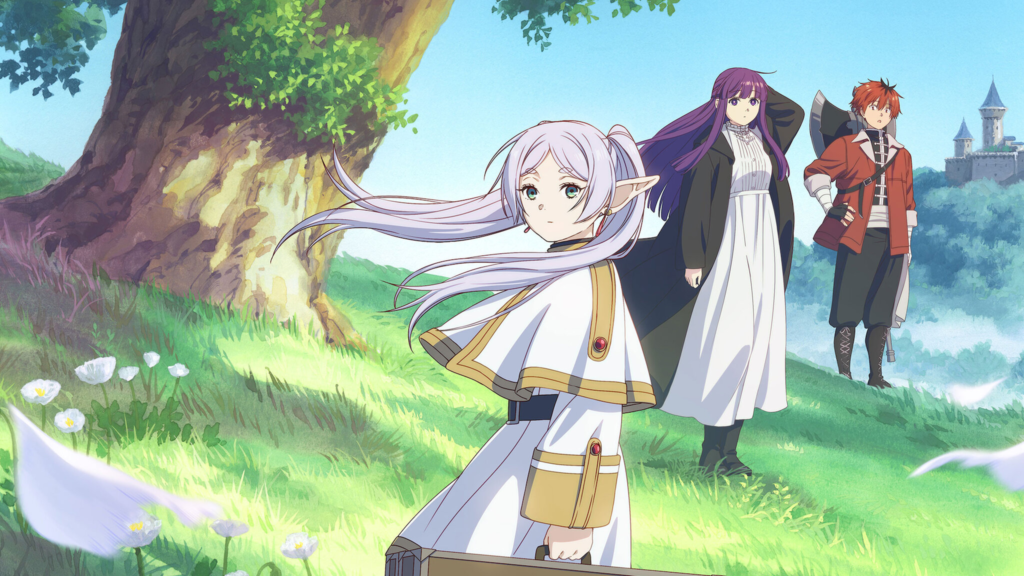
When Frieren: Beyond Journey’s End started appearing at the top of modern rankings, half the internet asked, “Who?” The other half had already been crying for three episodes. Based on the manga by Kanehito Yamada with art by Tsukasa Abe and animated by Madhouse, this series does something borderline disrespectful: it begins after the grand adventure is already over.
Here, the villain isn’t an ancient demon—it’s time. The protagonist is immortal, and that turns friendships, memories, and promises into disposable things… at least until regret catches up. It’s a story about grief told with the calm certainty that everyone will die—except the viewer, who somehow feels like they’re going with them.
There’s no rush, no shouting, no grand speeches. Just the uncomfortable realization that you, too, left important people for later. Rankings love numbers; this anime won through silence.
Steins;Gate — Science, Paranoia, and Dangerous Microwaves
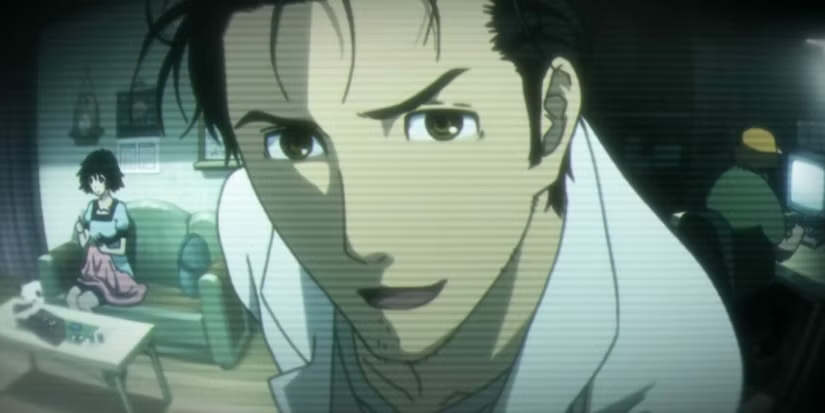
At some point, every anime fan learns that messing with time is always a terrible idea. Steins;Gate, adapted from the 5pb. visual novel and animated by White Fox, spends 24 episodes proving that point relentlessly.
It starts as a quirky comedy full of eccentric otaku, conspiracy theories, and self-proclaimed mad scientists. That’s the trap. Once the story accelerates, it’s already too late to escape unscathed. What begins as a joke turns into guilt, trauma, and impossible choices—always accompanied by a soundtrack that sounds like a warning siren for impending disaster.
This anime divides audiences because it demands patience. Those who make it past the midpoint understand why it never drops in the rankings. Those who don’t usually say “nothing happens,” often while time collapses quietly in the background.
Death Note — The Problem Isn’t Power, It’s Who Thinks They Deserve It
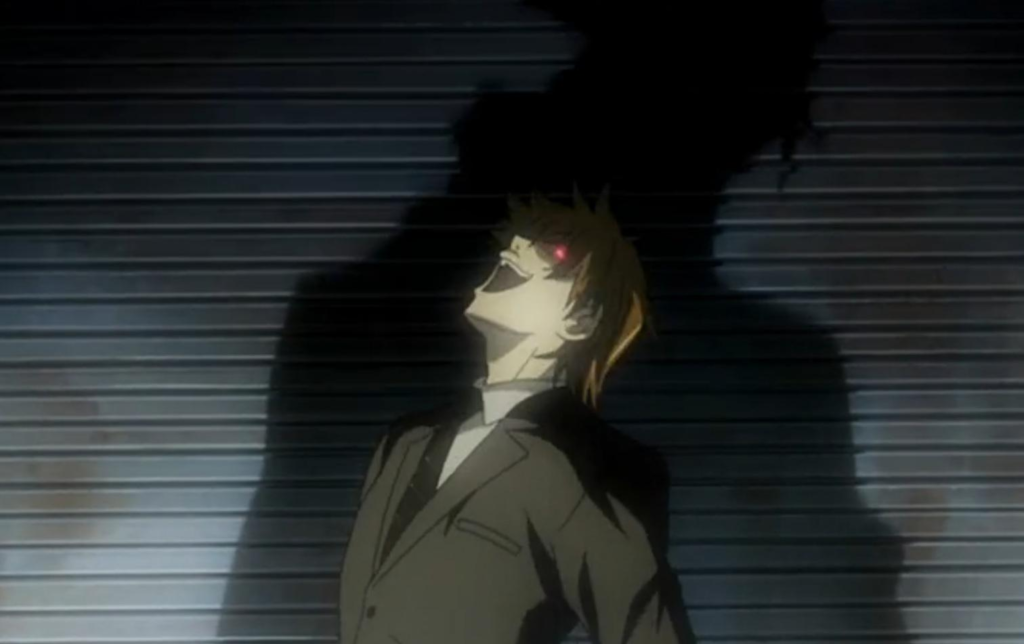
Few series embedded themselves into pop culture as deeply as Death Note, created by Tsugumi Ohba with art by Takeshi Obata and animated (once again) by Madhouse.
A notebook that kills anyone whose name is written in it sounds simple enough. The real problem begins when its user decides he’s smarter, more just, and more deserving than the rest of humanity. What follows isn’t just a psychological duel between characters, but with the audience itself—who, at some point, may find themselves agreeing with decisions that are very hard to defend out loud.
Half the internet hates the second half. The other half defends it like a doctoral thesis. The series stays at the top because no one forgets the feeling of watching someone slowly become everything they claimed to oppose.
Cowboy Bebop — Using Space as an Excuse to Talk About Loneliness
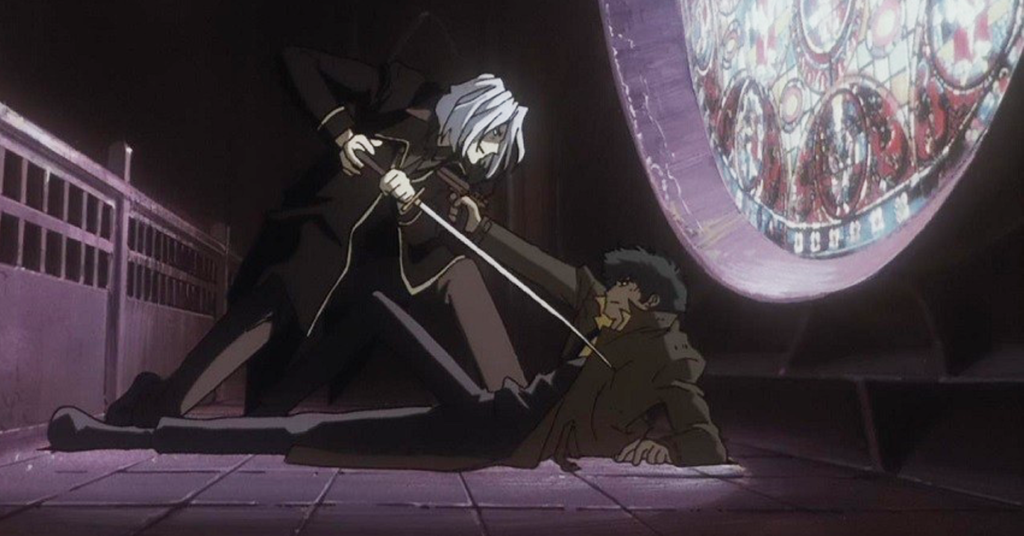
Before “cult anime” became a marketing label, Cowboy Bebop was already there—melancholic, stylish, and emotionally unavailable. Directed by Shinichirō Watanabe and produced by Sunrise, it blends westerns, jazz, sci-fi, and existential dread as if that were normal.
Each episode feels self-contained, yet everything converges toward that lingering sense of unresolved pasts. The characters aren’t trying to save the universe; they’re trying to pay rent, forget mistakes, and emotionally survive another day. Space here isn’t infinite—it’s claustrophobic.
That may be why it still appears in rankings decades later. Not everyone likes it. Those who do usually like it a little too much.
Attack on Titan — When the Metaphor Gets Out of Hand
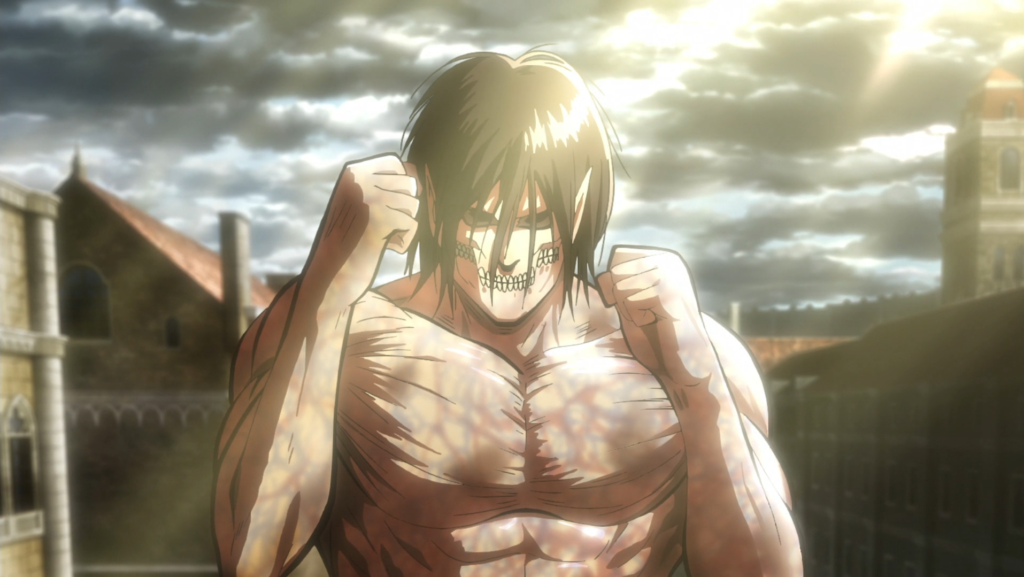
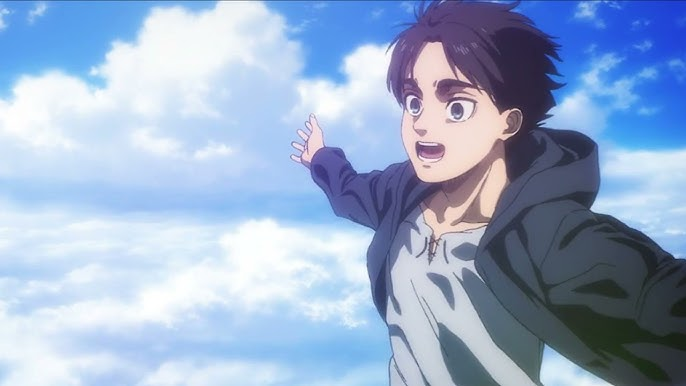
It’s impossible to talk about top-rated anime without mentioning Attack on Titan, based on Hajime Isayama’s work and initially adapted by Wit Studio.
What starts as a survival story against giant monsters quickly becomes an uncomfortable discussion about war, nationalism, cycles of hatred, and morally indefensible choices. As the series progresses, identifying heroes and villains becomes harder without feeling slightly hypocritical.
The rankings reflect this: sky-high placements, absurd scores, endless debates. Not everyone agrees with the ending. Almost everyone agrees that ignoring its impact is impossible.
Why Do These Anime Always Win?
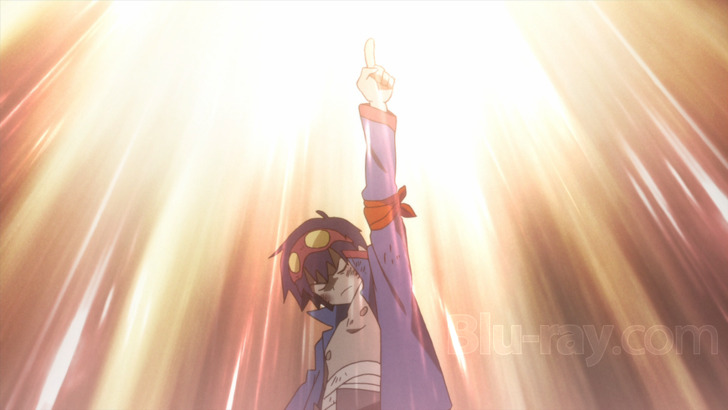
Because they don’t try to please everyone. They provoke, divide, age well, and remain relevant even as new trends come and go. Ranking averages don’t just reward momentary popularity—they reward emotional persistence. These are stories that continue to be watched, debated, hated, and defended years later.
And maybe that’s the real invisible metric behind the numbers: if people still feel the urge to argue passionately about something after all this time, it probably deserved to exist.
A Quick Conclusion (Before Someone Starts Another Argument)
Rankings don’t define what you should like. But they say a lot about what survived time, hype, and comment wars. These anime aren’t at the top because they’re perfect—they’re there because their flaws are memorable, their successes hurt, and they still make sense when you rewatch them older, less idealistic, and slightly more cynical.
If that’s what “the greatest anime of all time” means, then maybe the title isn’t about technical quality at all…
but about how much it still hurts to think about them.