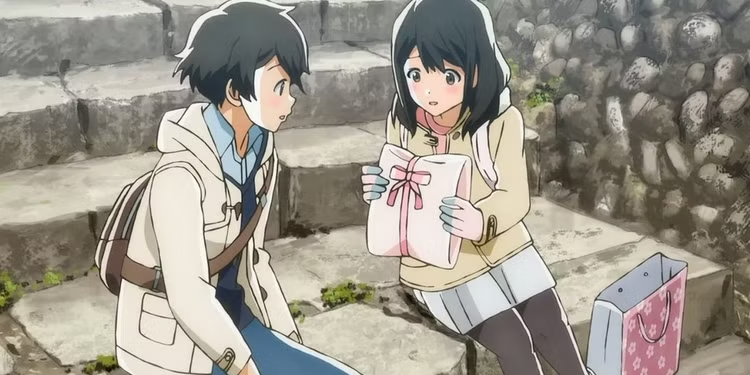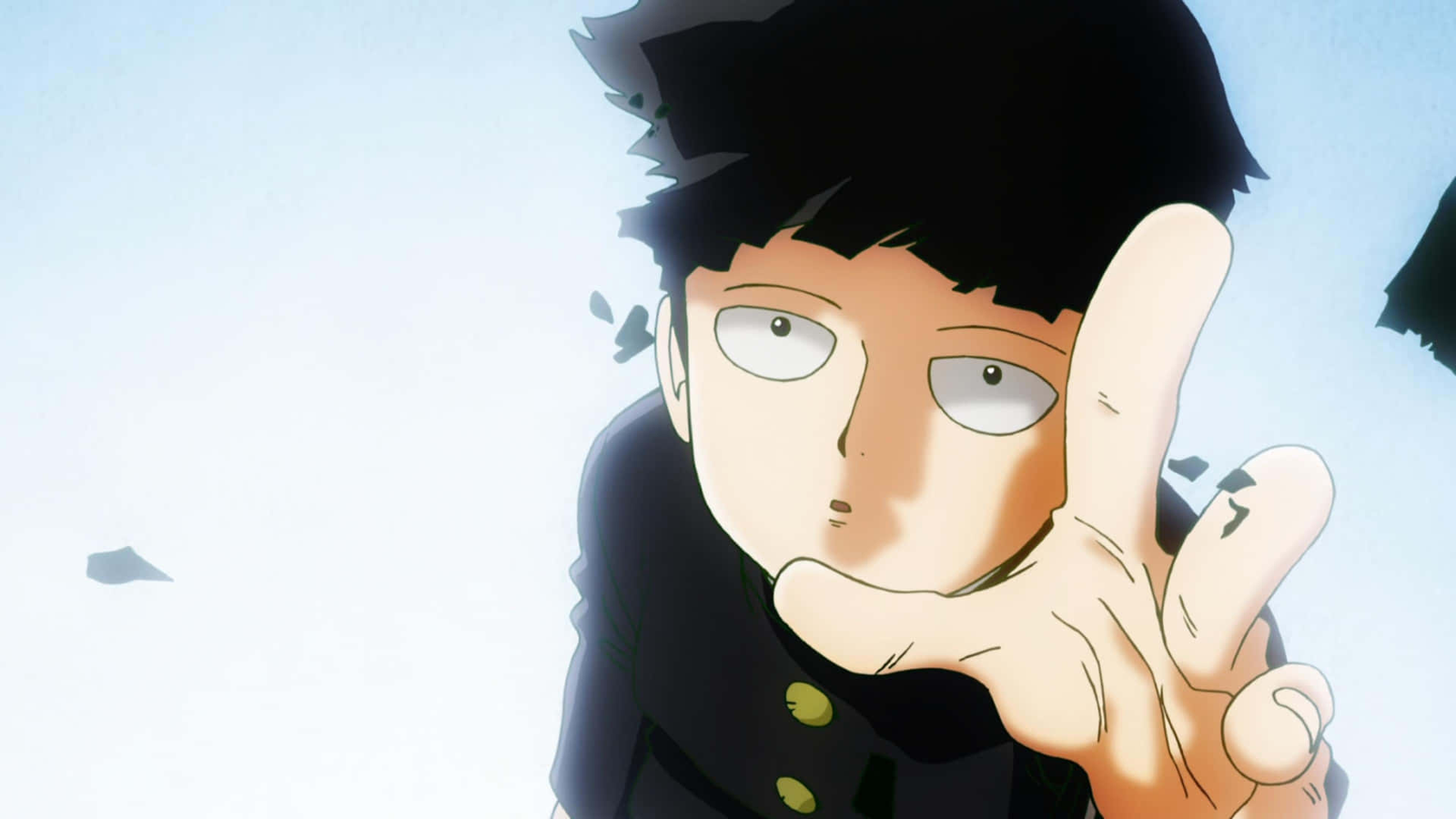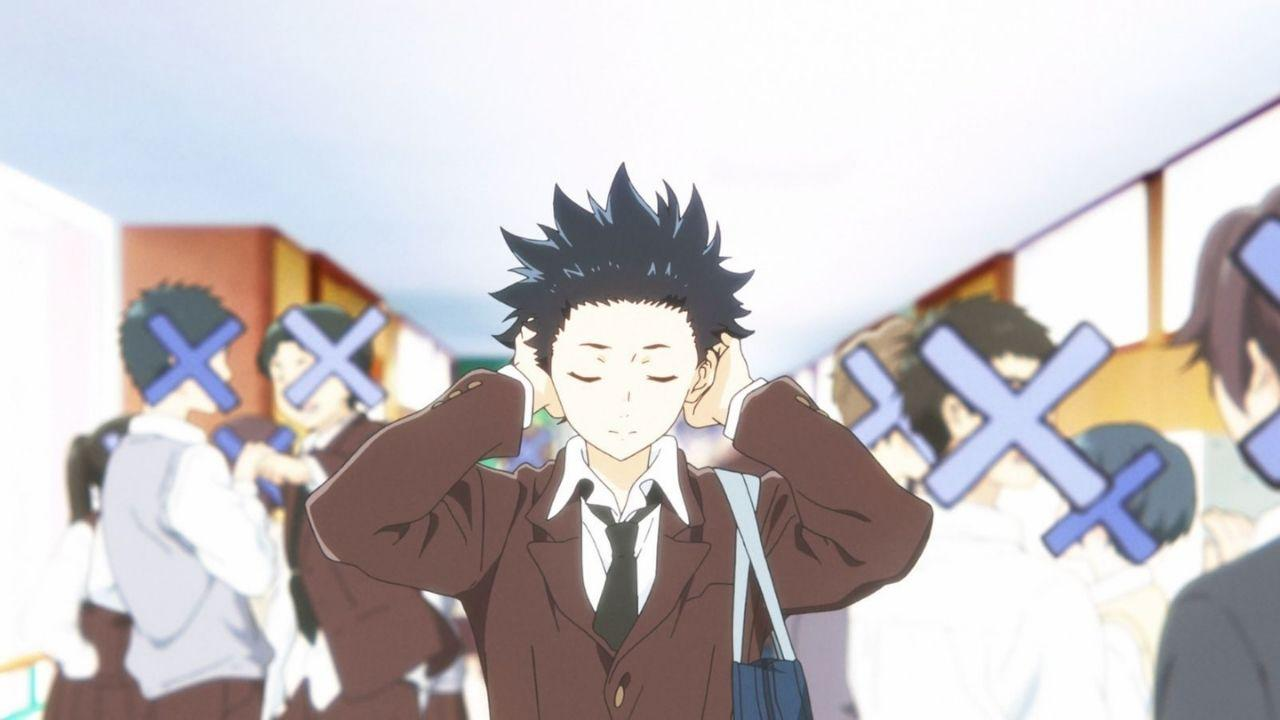

There’s a very specific moment when someone realizes that otaku culture has left the screen and started paying bills, arguing about politics on Twitter, and choosing an outfit for work. That moment usually comes with outside judgment, an imaginary soundtrack, and a mild existential crisis. Welcome to the real world — it has anime, but it also has consequences.
When “it’s just a cartoon” starts to get annoying
For a long time, liking anime was treated as a phase. The problem is that this so-called phase learned how to use a credit card, filled convention centers, and became a billion-dollar market. Today, being an otaku doesn’t just mean binge-watching episodes at 3 a.m.; it means building identity, community, and sometimes a socially questionable reputation.
The classic stereotype still lingers: the antisocial person locked in their bedroom, surviving on instant noodles and hope. Curiously, many of the people who uphold this myth have never spent five minutes at an anime convention, where strangers hug each other because they like the same fictional character who died traumatically ten years ago.
In practice, otaku culture works like an informal emotional survival club. Some people find belonging there. Others find absurdly serious debates about fictional timelines. Both are valid.
Escapism: cheap therapy or a badly used pause button?
This is where one of the biggest divides lives. For some, anime is a healthy escape valve. For others, it’s emotional anesthesia with an animated opening. The line between mental rest and running away from reality is thin — and it’s often crossed at three in the morning, when someone decides to rewatch the same series for the fifth time “just to relax.”
Real cases show both sides. There are people who learned another language, changed careers, and even immigrated after falling in love with Japanese culture through animation. And there are those who developed such an intense relationship with fictional worlds that the real one became optional content.
None of this is exclusive to anime. Soccer, religion, and the financial market also cause considerable emotional damage. The difference is that none of them come with blue-haired characters explaining their feelings in an internal monologue.
Sexualization, discomfort, and the awkward silence
This is the point where the conversation gets uncomfortable — so let’s stay with it.
Sexualization in anime is one of the most frequent and least resolved criticisms. Defenders talk about cultural context, artistic freedom, and aesthetic exaggeration. Critics point to the normalization of questionable behavior and an audience that doesn’t always know how to separate fantasy from common sense.
In real life, this turns into curious situations: people explaining to coworkers why that print on their shirt “isn’t a big deal,” events trying to balance creative freedom with public decency, and parents discovering that cartoons are not synonymous with children’s content. Spoiler: they never were.
Being an adult otaku and the heinous crime of liking things
There’s something deeply offensive, for part of society, about a functioning adult who pays taxes and still likes anime. As if maturing meant abandoning anything that doesn’t generate direct suffering.
In practice, otaku culture matured along with its audience. Today it influences street fashion, design, music, advertising, and even how people talk about emotions. Many creative professionals admit they started out drawing characters inspired by Japanese animation, in secret, as if it were emotional contraband.
The funny thing is that no one questions an adult obsessed with crime shows about murder, but an animated episode with giant robots still raises eyebrows.
Events, crowds, and the end of the isolation myth
If otaku culture were truly antisocial, anime events would be quiet gatherings of five people avoiding eye contact. Reality is the opposite: massive lines, heated debates, people crying over fictional endings, and a level of social interaction that makes many bars look like libraries.
These events drive tourism, boost local economies, and create offline social networks — a modern rarity. There are stories of people who found jobs, partners, and even business partners after random conversations in endless lines under 104°F (40°C) heat, all in the name of a hobby that “leads nowhere.”
The romanticization of Japan and the inevitable reality check
Another divisive point: the idea that real-world Japan works like it does in anime. An unpleasant spoiler: it doesn’t. Otaku culture helped spread global interest in the country, but it also created unrealistic expectations about work, social relationships, and quality of life.
Many people discover, too late, that everyday life in Japan involves exhausting work hours, rigid social rules, and far fewer epic soundtracks. Even so, the fascination remains — maybe because every passion needs a little illusion to survive.
What all of this says about us
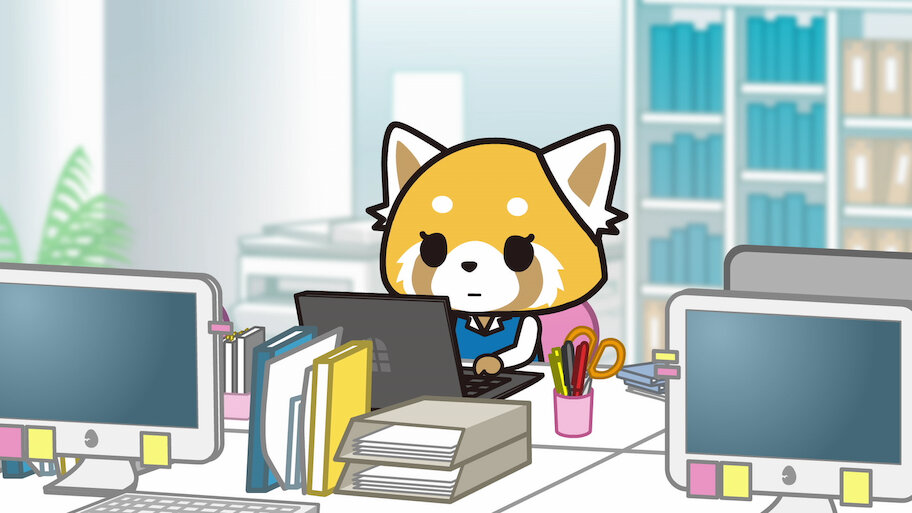
In the end, otaku culture in the real world isn’t about cartoons, but about how people deal with identity, belonging, and escape. It exposes old prejudices, creates new debates, and reminds us that every cultural taste eventually becomes a social mirror.
And yes, sometimes it exaggerates, embarrasses, and goes too far. But it also connects, inspires, and gives names to feelings many people never knew how to explain.
Conclusion
Otaku culture is neither a villain nor a spiritual salvation. It’s an exaggerated, colorful, and sometimes uncomfortable reflection of modern life. Ignoring it won’t make it disappear — it only leaves the analysis to those who prefer to laugh without understanding.
In the real world, the anime ends, the lights turn on, but the influence remains. And whether you like it or not, it’s already part of the script.