
The Crunchyroll Awards stage in Tokyo witnessed something unprecedented in May. A Korean webtoon adaptation walked away with nine trophies, including the industry’s most coveted prize. Fifty-one million people voted, and the collective sound you heard wasn’t applause—it was the infrastructure of anime fandom creaking under the weight of paradigm shift.
Solo Leveling Season 2 didn’t just win Anime of the Year. It colonized the conversation.
The Korean Invasion Nobody Saw Coming
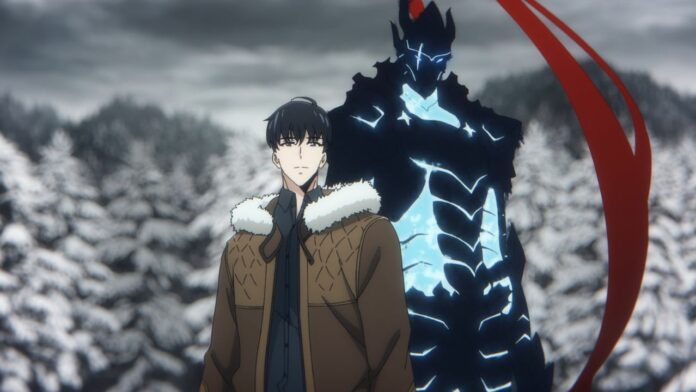
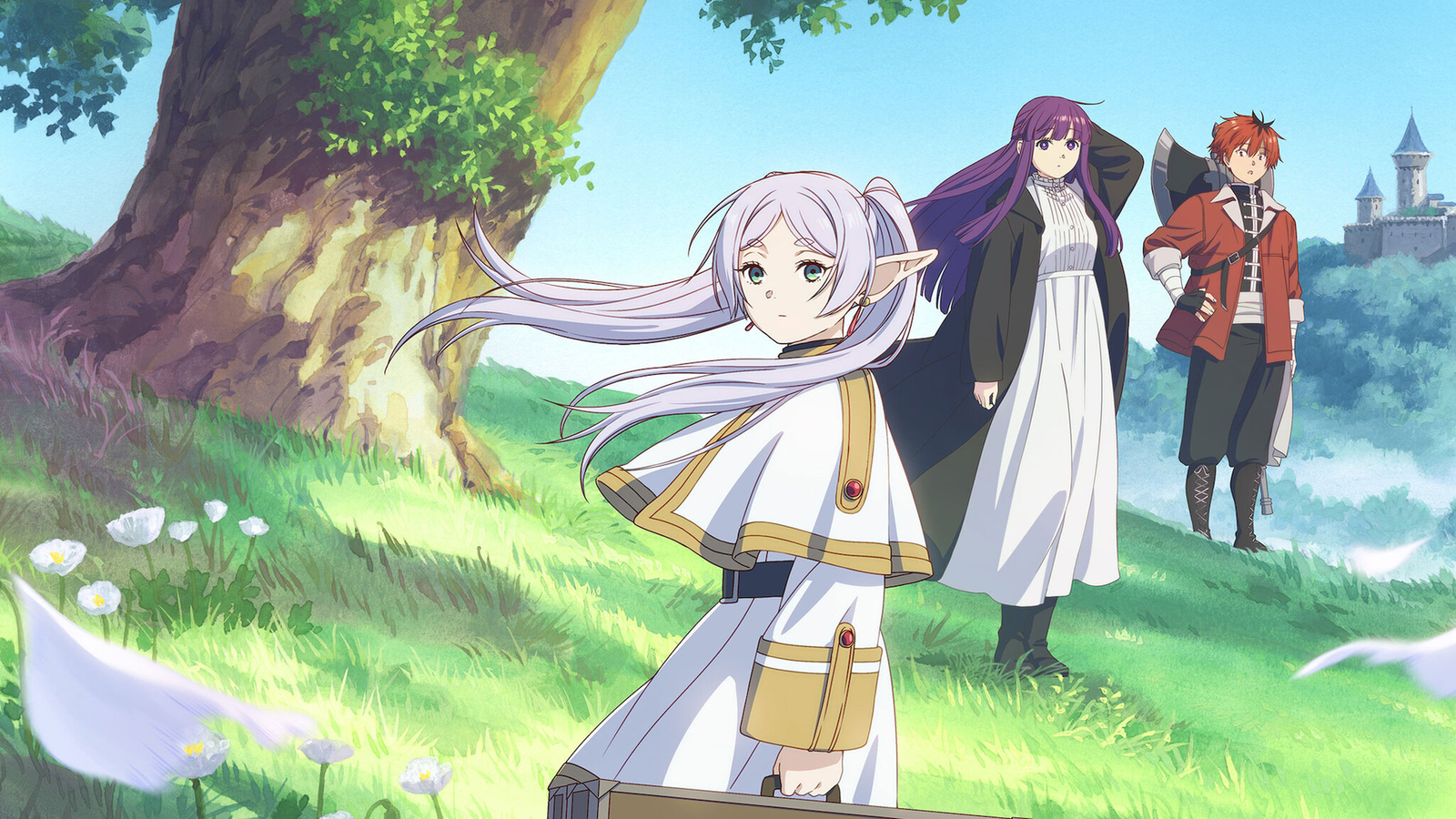
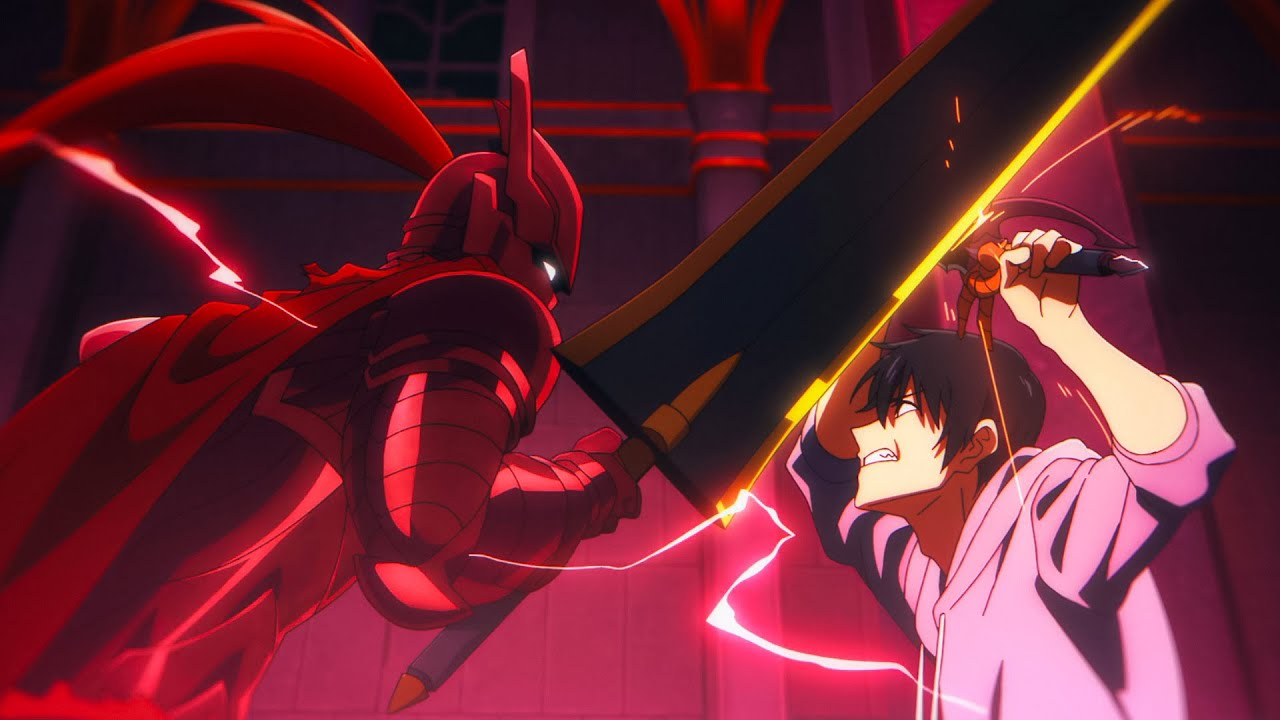
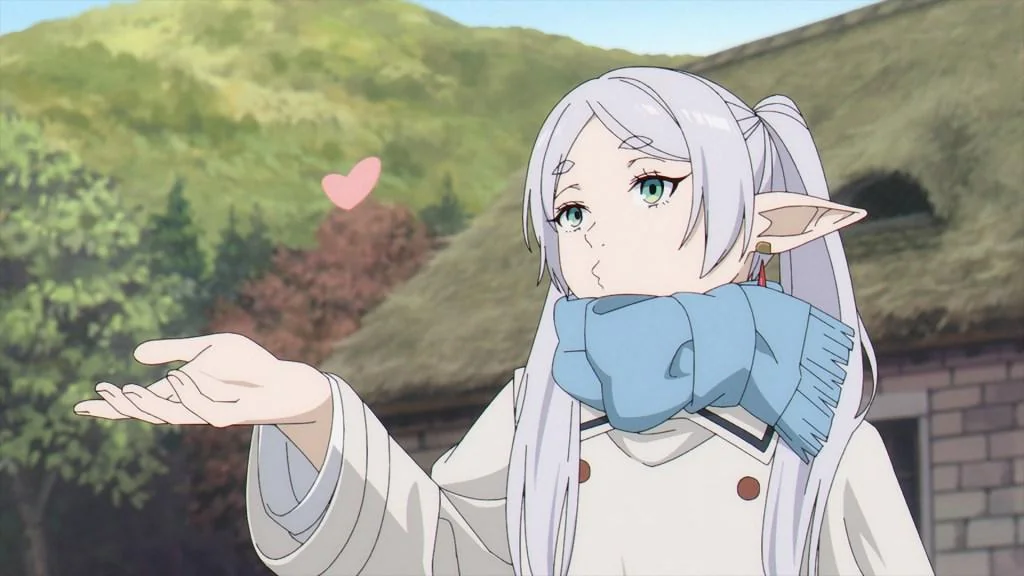
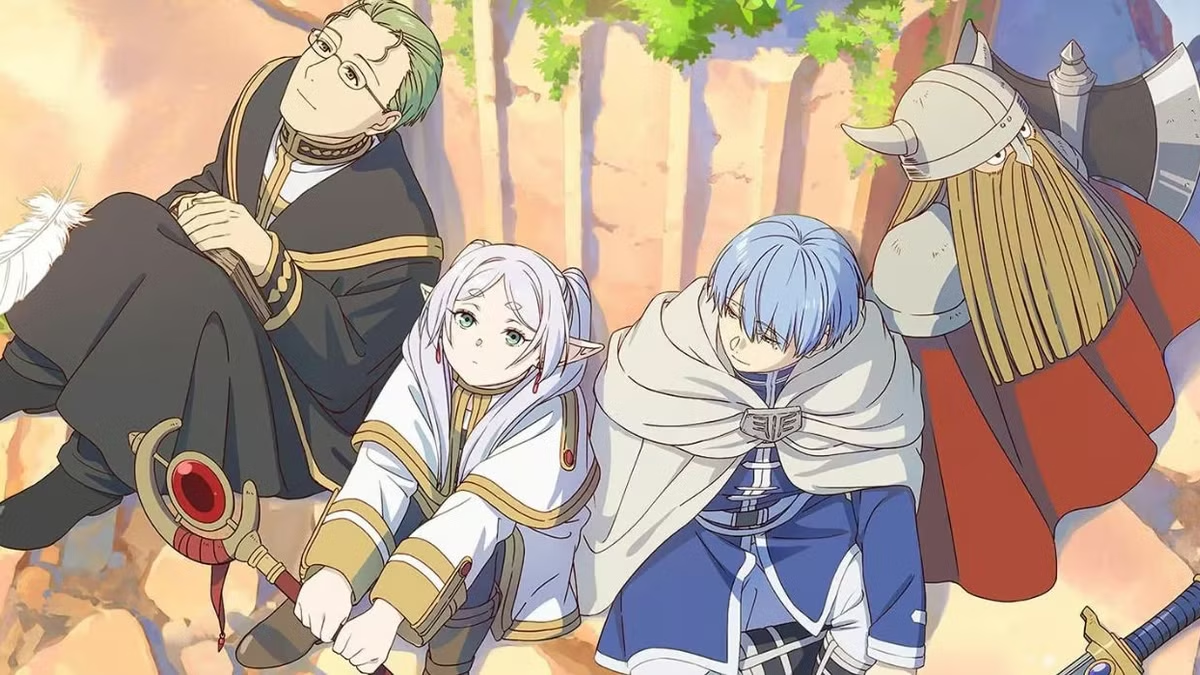
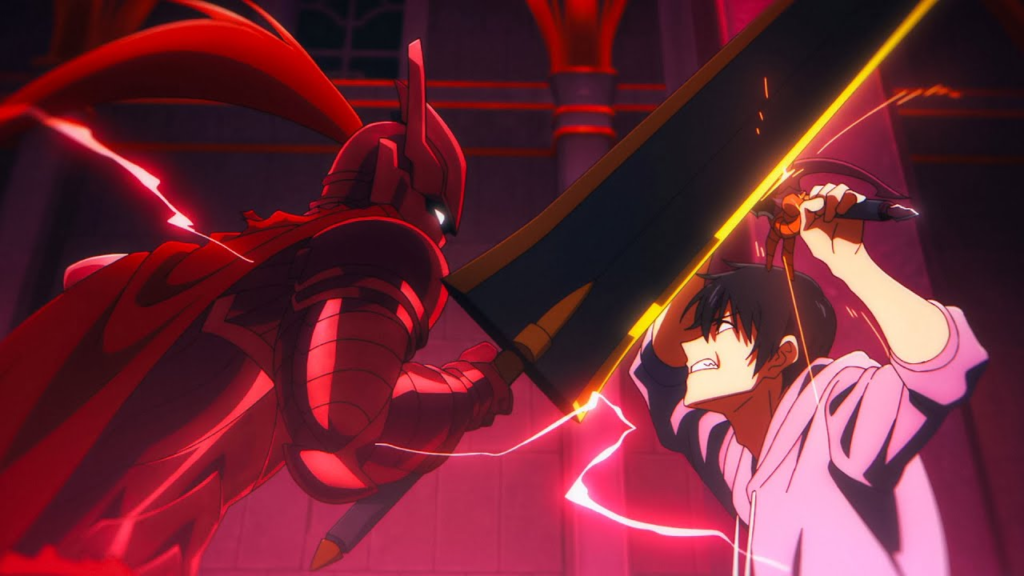
A-1 Pictures’ adaptation of Chugong’s web novel became the first Korean IP to claim anime’s throne, and the optics were fascinating. Here was a story about a hunter who levels up like a video game character—mechanically simple, thematically shallow, visually spectacular—beating out Frieren: Beyond Journey’s End, which had twenty nominations to Solo Leveling’s thirteen.
The discourse spiraled predictably. Quality versus popularity. Art versus spectacle. The old guard muttering about substance while Solo Leveling’s Sung Jin-woo obliterated the Ant King across screens worldwide, A-1 Pictures turning manhwa panels into liquid violence that made even ufotable’s demon slayers look quaint.
But here’s what the hand-wringing missed: Solo Leveling’s victory wasn’t about anime at all.
It was about gaming.
The series’ success stems from its DNA—progression systems, dungeon raids, skill trees, boss battles. It’s not trying to be Monster. It’s trying to be Dark Souls with better hair. A generation raised on RPGs and gacha games finally got an anime that spoke their native language, and the traditional criticism that it lacks complex storytelling fundamentally misunderstands what it’s optimized for.
When Netflix Decided Horror Was the Future
While everyone argued about Solo Leveling, Netflix quietly deployed its secret weapon in July.
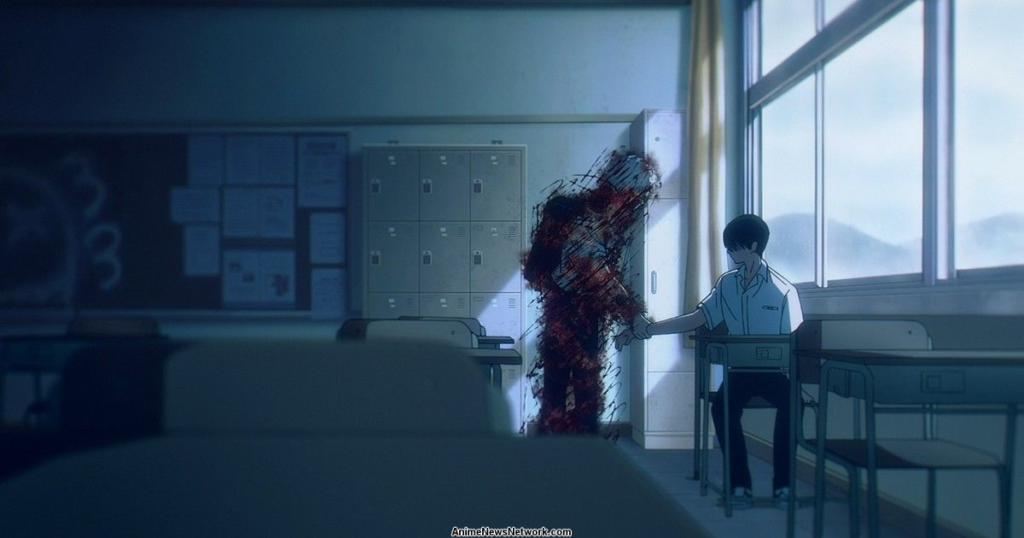
The Summer Hikaru Died arrived with zero fanfare and quickly climbed Netflix Japan’s anime rankings. CygamesPictures’ adaptation of Mokumokuren’s manga proved something studios had been dancing around for years: horror anime doesn’t need to rely on grotesque body horror or jump scares to succeed. It just needs to understand that rural Japanese summers hide something worse than yokai.
They hide the moment you realize your best friend died in the mountains six months ago, and the thing wearing his face has all his memories but isn’t him.
Director Ryōhei Takeshita constructed each episode like a music box—delicate, beautiful, designed to unsettle through precision rather than volume. Yoshiki’s realization that “Hikaru” isn’t Hikaru anymore unfolds with the inevitability of a tide, each episode adding another layer of wrongness beneath the cicada songs and summer heat. The series topped Netflix Japan’s charts by episode two, proving audiences were starving for anime that treated psychological horror as character study rather than plot device.
The show’s queer subtext—Mokumokuren explicitly refusing to label it as BL while acknowledging the romantic undertones—added dimension that made the horror land harder. When you’re terrified the person you love isn’t who they claim to be, it doesn’t matter if that love is platonic or romantic. The fear tastes the same.
The Ones That Refused to Die Quietly
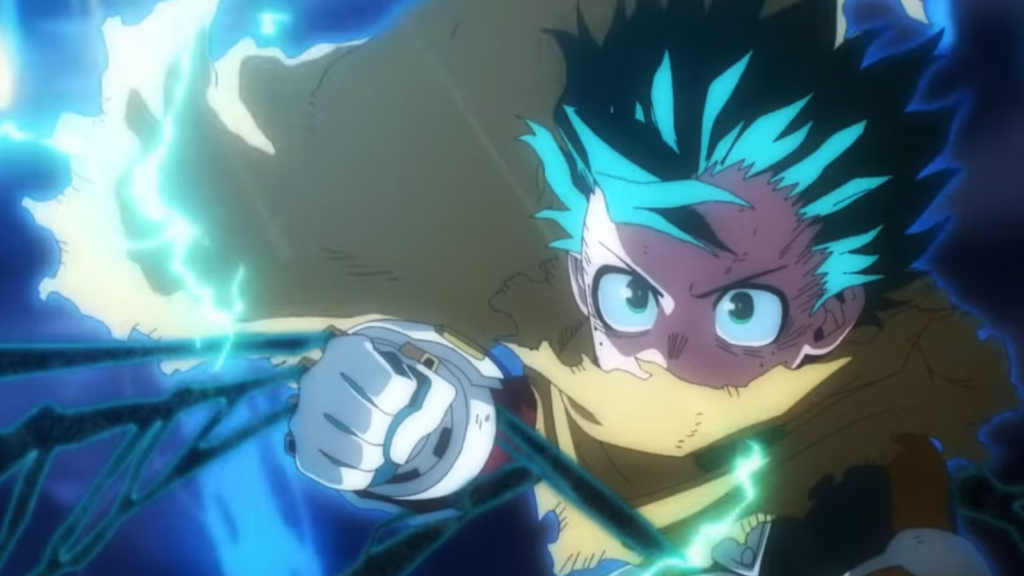
My Hero Academia ended its eight-season run in late 2025, and the funeral was surprisingly dignified. Kōhei Horikoshi’s superhero academy closed its doors with the grace of a series that knew when to stop, even if the fandom didn’t want it to. The final season delivered exactly what it promised: Midoriya’s journey from powerless to inheritor of One For All reached its logical conclusion without overstaying its welcome.
The real achievement? MHA proved you could run a shounen for eight years without completely destroying the core thesis. It didn’t pivot to grimdark. It didn’t betray its characters for shock value. It just finished.
Dandadan Season 2 dropped in July with the confidence of a series that knew it was beloved. Science Saru’s continuation of Yukinobu Tatsu’s supernatural comedy proved the first season wasn’t a fluke—Momo and Okarun’s quest to retrieve his stolen golden balls (yes, really) remained exactly as deranged and heartfelt as before. The Evil Eye arc demonstrated that Dandadan understood something fundamental: you can have Mongolian Death Worms fighting possessed teenagers while maintaining genuine romantic tension. The key is never winking at the camera.
The series won Best Opening Sequence at the Crunchyroll Awards for Creepy Nuts’ “Otonoke,” and if you haven’t watched that opening, you haven’t seen what anime opening sequences can be when freed from convention.
The Romance That Didn’t Apologize
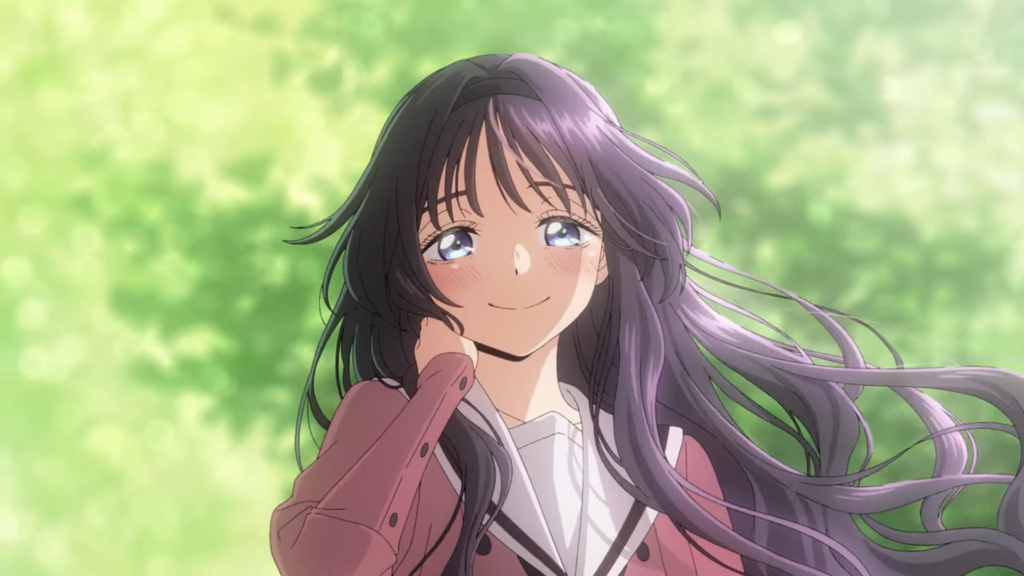
The Fragrant Flower Blooms with Dignity arrived on Netflix with the kind of premise that makes people dismiss romance anime: prestigious all-girls school student meets delinquent school boy. Love blooms. The end.
Except the series refused every expected beat.
Kaoruko and Rintarou’s relationship developed with the patient realism of actual teenagers figuring out their feelings, not the manufactured drama of love triangles and manufactured misunderstandings. The show’s greatest trick was making the romance feel inevitable without feeling predetermined. When they finally got together, it felt earned because the series had done the work of making them actual people first, romantic interests second.
What 2025 Actually Meant
The year’s real story wasn’t which anime won which awards. It was the infrastructure shift happening beneath the surface.
Korean manhwa proved it could dominate Japanese animation awards. Fifty-one million people voted in the Crunchyroll Awards—more voters than many countries’ elections. The industry’s center of gravity shifted from Japan-only to genuinely global, and not in the superficial “anime is popular worldwide” sense that’s been true for decades.
Global meant Korean stories, American streaming money, and voting blocs that valued different qualities than traditional anime criticism. Solo Leveling’s victory wasn’t a mistake or a popularity contest failure. It was a message that animation’s future belongs to whoever can synthesize the most cultural influences into something new.
The old model—Japanese studios adapting Japanese manga for Japanese audiences with international sales as an afterthought—didn’t die in 2025. But it stopped being the only model that mattered. When a Korean web novel becomes Anime of the Year through a Japanese studio funded by global streaming platforms, the concept of “anime” expands to swallow its own definition.
The best anime of 2025 weren’t just good shows. They were evidence that the medium had stopped belonging exclusively to anyone, and the people most bothered by that fact were the ones who’d miss what came next.