

Every year, there’s that one anime nobody asked for—but everyone talks about. The one that pops up in your feed, in casual conversations, and even in the family group chat—where it’s clear no one really knows what’s going on, but someone watched a “crazy video.” Solo Leveling is exactly that case. And no, the noise didn’t come from hype alone: it came from a solid, well-delivered punch.
A protagonist who starts at rock bottom (and digs a little deeper)
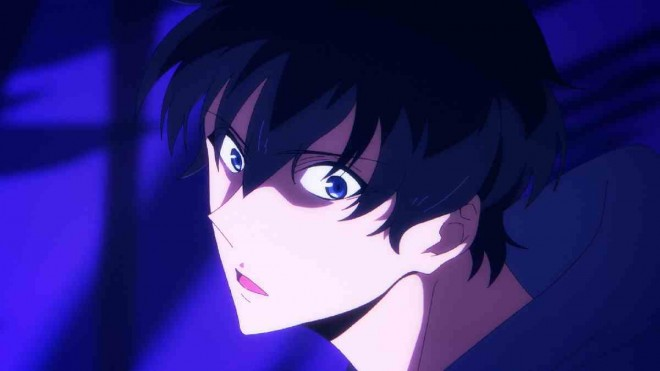
What sets Solo Leveling apart isn’t reinventing the wheel—it’s throwing that wheel downhill with the protagonist strapped to it. Here, the main character isn’t born special, chosen, or blessed by some convenient prophecy. He starts weak, broken, and constantly one step away from becoming just another statistic.
That approach creates something rare: genuine satisfaction. Every improvement feels earned, every victory tastes like survival rather than plot armor. Audiences respond to that. Watching someone grow without the universe conspiring in their favor is almost therapeutic—especially when the world is clearly trying to erase them from the map.
An aesthetic that screams “this is not a casual ride”
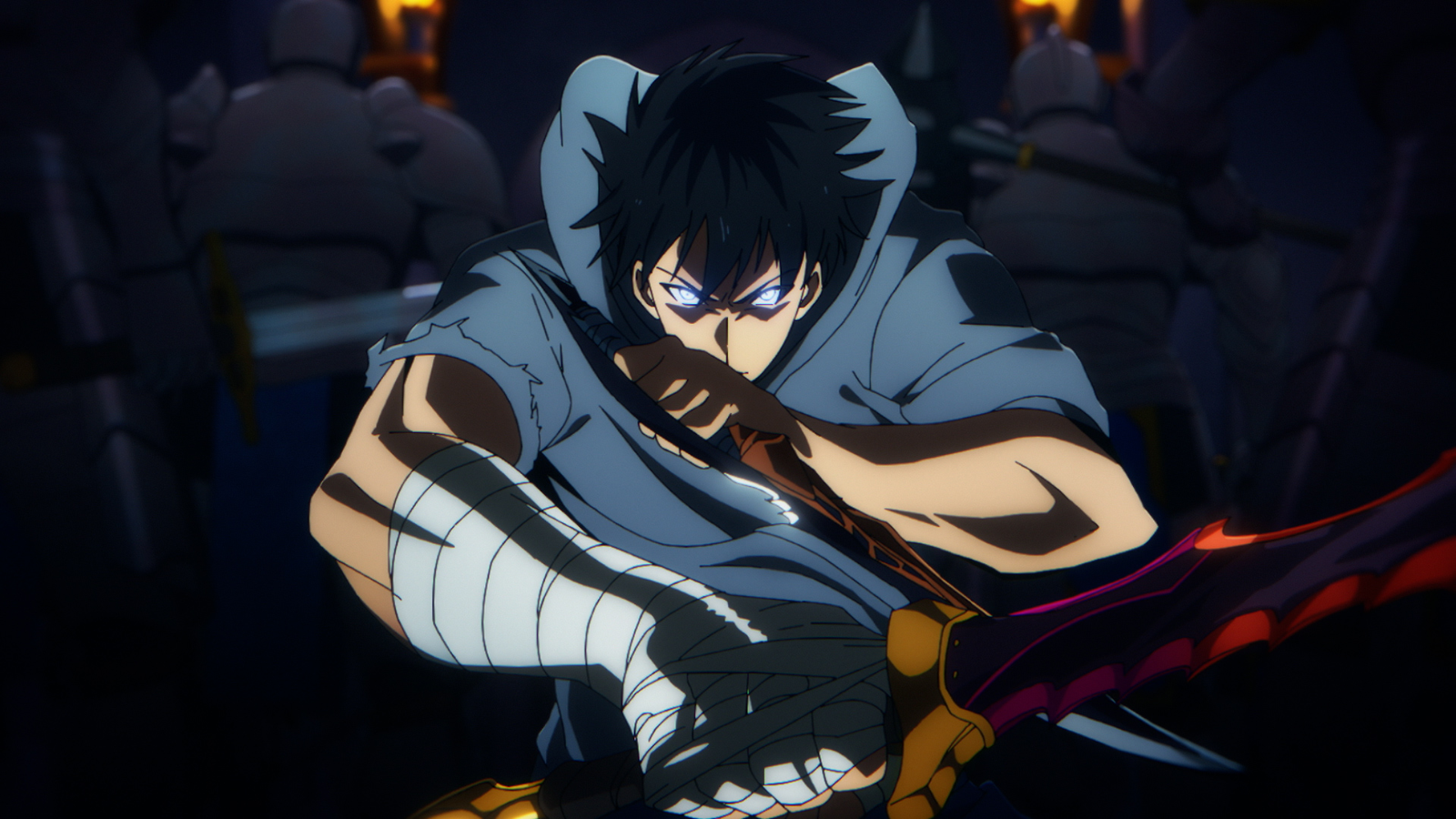
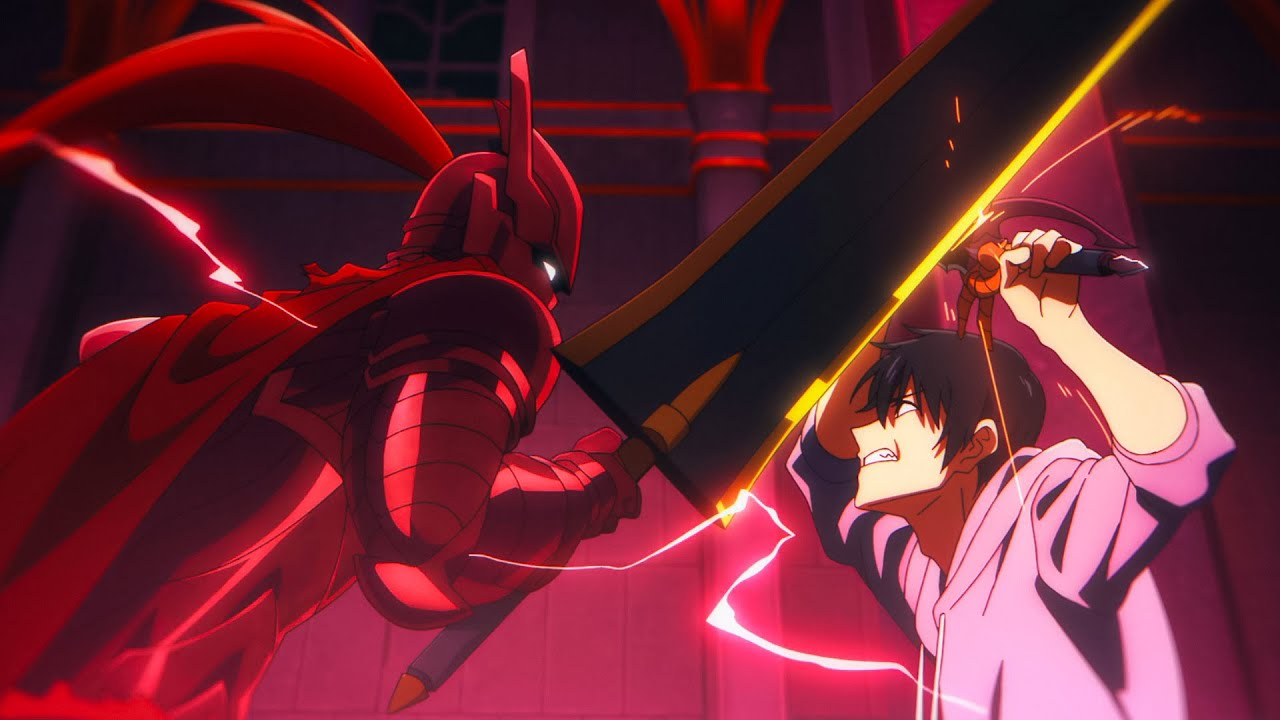
Another reason for all the buzz is the visual style. Solo Leveling is beautiful in a threatening way. The animation is smooth, heavy when it needs to be, and exaggerated just enough. The action scenes aren’t just flashy—they convey real danger, as if any mistake could be costly—and usually is.
The soundtrack reinforces that constant feeling of “this might not end well,” which, oddly enough, makes everything more engaging. This isn’t an anime that comforts you. It stares you down, crosses its arms, and asks whether you can handle watching more.
Addictive pacing and episodes that end way too fast
There’s a curious phenomenon with Solo Leveling: episodes feel shorter than they actually are. That’s because the pacing is tight. There’s no excessive exposition, no circular dialogue that exists just to fill time.
The anime trusts the viewer’s intelligence and prefers to show consequences instead of delivering speeches. The result? When the episode ends, the usual reaction is staring at the screen in silence, reconsidering life choices, and hitting “next.”
The “everyone is talking about it” effect
Solo Leveling also became a hot topic because it works extremely well as a shared experience. It’s easy to comment on, theorize about, meme, and debate questionable character decisions. It delivers memorable moments without relying on forced, overblown twists.
On top of that, it resonates with longtime anime fans and newcomers alike. It’s accessible, straightforward, and doesn’t require a PhD in lore to enjoy—which massively broadens its reach.
Not everything is perfect (and that’s fine)
Of course, it’s not flawless. Some side characters could use more room to breathe, and certain story structures follow familiar genre formulas. Anyone who’s watched a lot of action anime will recognize a few patterns here and there.
But honestly? That doesn’t weigh it down much. Solo Leveling isn’t trying to be revolutionary—it’s trying to be effective. And it pulls that off with almost arrogant confidence.
Conclusion

Solo Leveling became one of the most talked-about anime of the year because it delivers exactly what it promises—and delivers it well. It’s intense, visually striking, easy to binge, and emotionally brutal in just the right measure. It doesn’t try to please you all the time, and that might be precisely why it works so well.
If you’re looking for an anime that hooks you, challenges you, and isn’t afraid to leave characters—and viewers—uncomfortable, now you know why this title is everywhere. Just don’t be surprised if, once you start, it stubbornly refuses to leave your head.