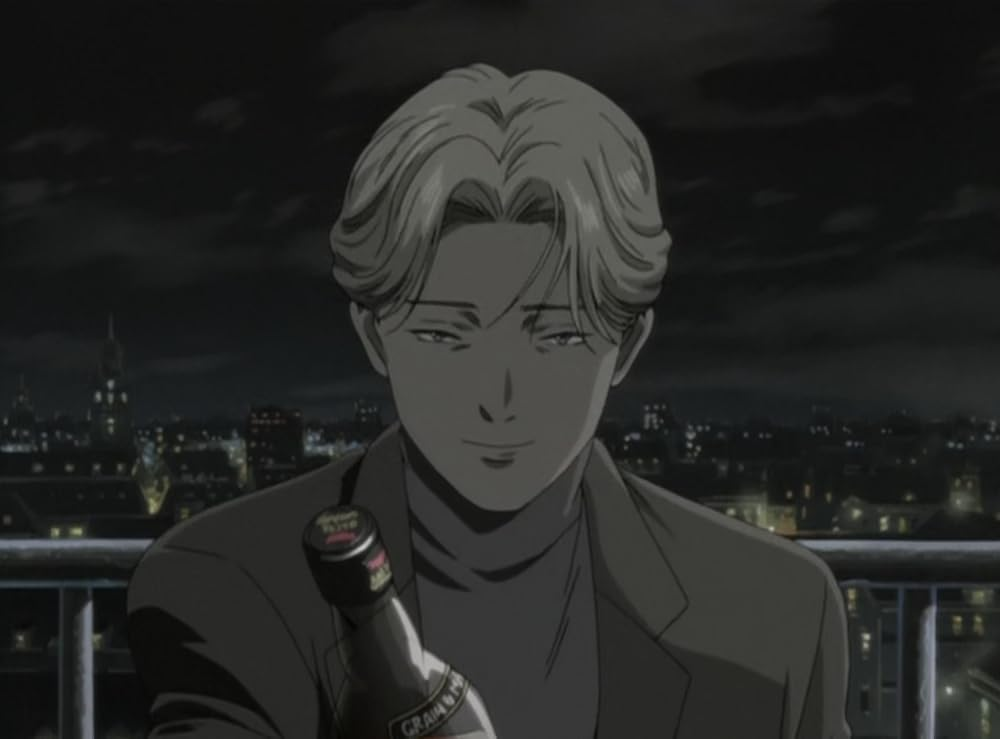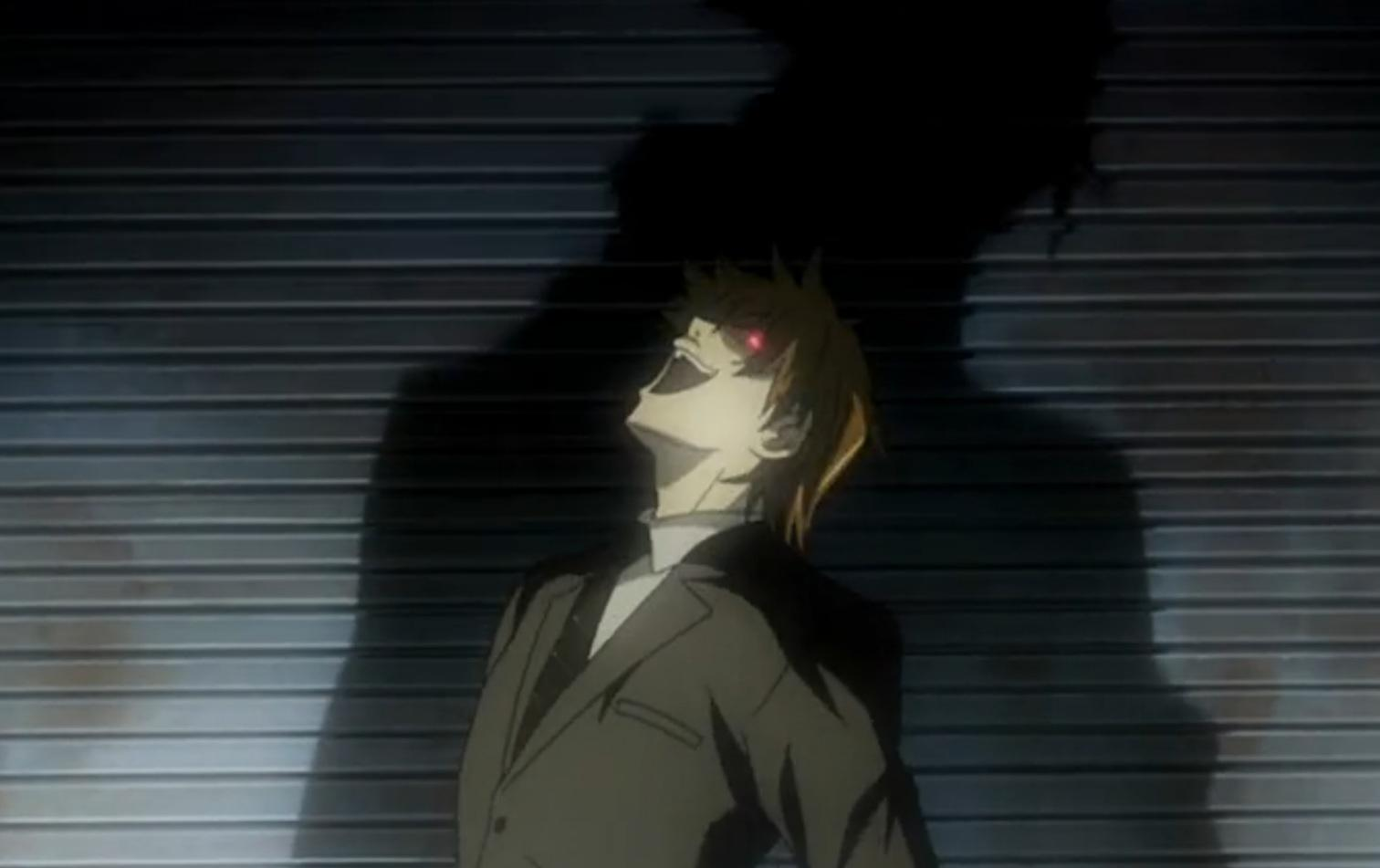

Light Yagami kills a man in the first episode. Not in self-defense. Not by accident. He sees a hostage taker holding children at gunpoint broadcast live on television, writes his name in a notebook, and watches him die of a heart attack while the cameras are still rolling. Then he goes home and eats dinner with his family.
And somehow, most viewers don’t turn off the show.
That’s the trick Death Note pulls off in its first twenty minutes — and it never really lets go. The series doesn’t just explore the line between morality and justice. It takes that line, blurs it into paste, and then asks you to explain why your hands are dirty.
Western crime dramas rarely get this uncomfortable. There’s usually a lever you can pull. The vigilante has trauma. The killer has a code. The anti-hero suffers enough to balance the ledger. Death Note refuses the ledger entirely.
Light Yagami Is Not a Tragic Hero. He’s the Point.
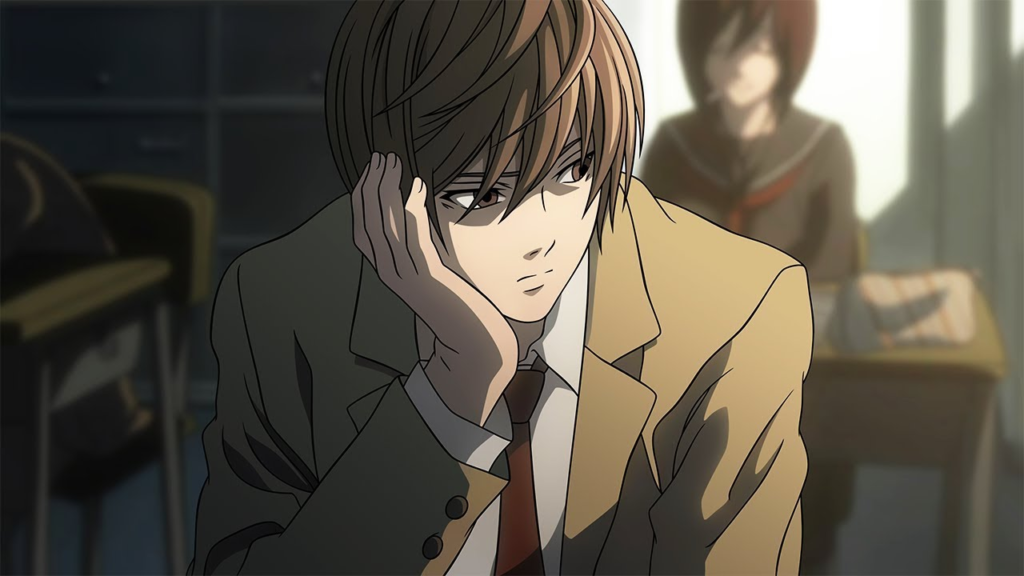
The easiest mistake with Death Note is reading Light as a cautionary tale about power corrupting a good person. That framing lets the audience off the hook. It implies there was something pure to corrupt in the first place.
Watch the pre-notebook scenes more carefully. Light is already contemptuous of the world around him. He’s bored by his peers, quietly furious that society hasn’t recognized how exceptional he is, and visibly alienated from a life that should, by every external measure, satisfy him. The Death Note doesn’t create a monster. It just gives the monster a budget.
This is where the series does something structurally unusual. Most narratives about justice — Western ones especially — build their moral weight around the idea that the protagonist means well. Walter White means well, until he doesn’t. Dexter Morgan has a code. Even Batman has a rule. These characters are defined by the moment their intentions curdle.
Light never really had good intentions. He has aesthetics. He wants a world cleansed of criminals the way someone wants a clean room — not out of compassion for others, but because disorder offends him personally.
That distinction matters enormously.
L Is Not the Hero Either. That’s Also the Point.
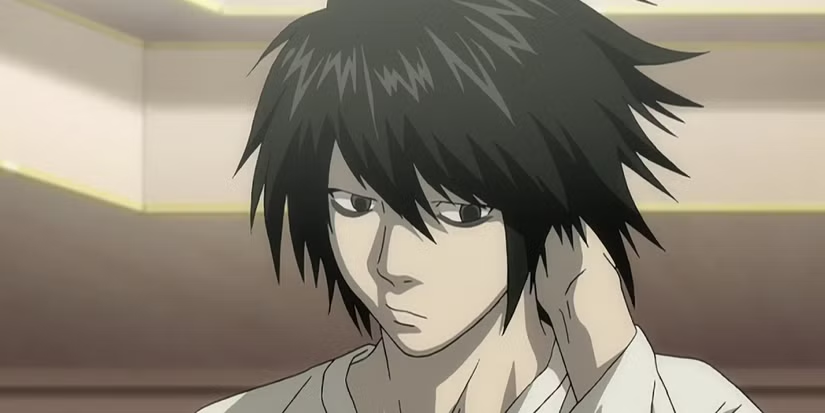
The genius of L as a character is that the show never lets him function as a moral counterweight. He’s not justice. He’s just a different kind of obsessive intelligence pointed in a different direction.
L detains suspects indefinitely without authorization. He places Light and Misa in isolation confinement for weeks. He subjects both to relentless psychological pressure that operates entirely outside any legal framework. At several points, he acknowledges openly that his methods would be considered criminal by conventional standards.
The show positions L as Light’s opposite and then immediately undermines that opposition. They’re not good versus evil. They’re two people who’ve decided the rules don’t apply to them, competing to prove it.
Western media tends to give the detective a moral core, even a conflicted one. Think of every procedural built around the brilliant, boundary-pushing investigator who ultimately believes in the system, even when he bends it. L doesn’t believe in the system. He believes in himself. The system is just the arena.
The God Nobody Prays To
Here’s where the social context becomes impossible to ignore.
Death Note started serialization in Weekly Shonen Jump in 2003, during a period when Japan was experiencing intense public debate about crime, punishment, and institutional trust. Japan’s criminal conviction rate sits at approximately 99% for cases that go to trial — one of the highest in the developed world — which means that once the system formally identifies you as a criminal, the outcome is effectively predetermined. The public relationship with justice there isn’t about whether the guilty get punished. It’s about whether the right people are being identified as guilty.
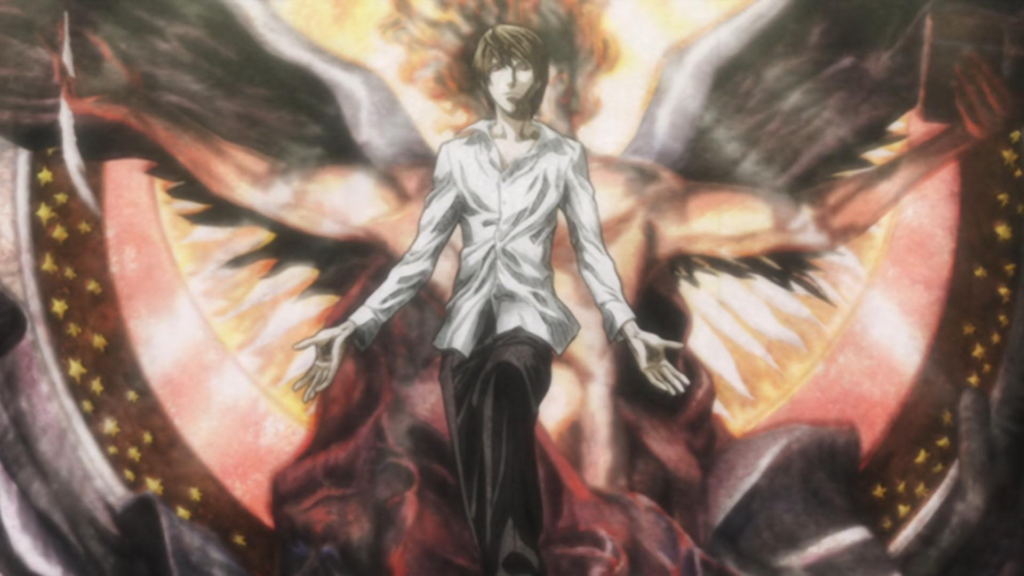
The Kira worship subplot in Death Note isn’t just a commentary on mob justice. It’s a very specific commentary on what happens when a population that already trusts institutional punishment a little too completely gets handed a god who skips the paperwork. The horror isn’t that people cheer for Kira. The horror is how reasonable their cheering sounds.
Light calling himself a god is treated as megalomania in most readings of the series. It might be more accurate to call it a job description.
Ryuk and the Apple That Never Means One Thing
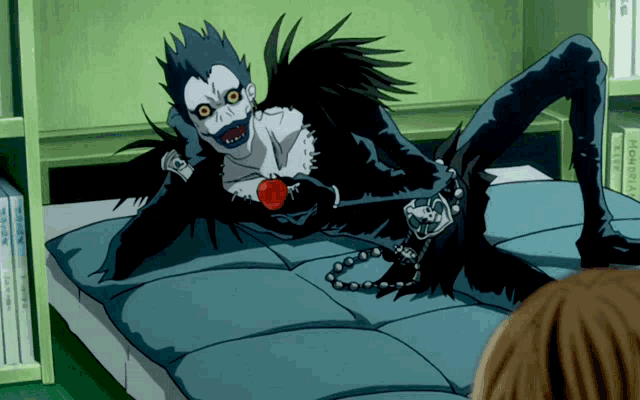
Ryuk doesn’t care. That’s his entire character, and it does more moral work than any speech in the series.
He drops the Death Note out of boredom. He watches Light’s entire arc — the manipulation, the murders, the careful construction of a new world order — with the detached amusement of someone who found an interesting ant farm. He eats apples. He laughs at inopportune moments.
The apple is doing a lot of heavy lifting visually throughout the series, and it’s not subtle about it. A supernatural being offering humans a forbidden object that grants knowledge and the power to judge others, with consequences that spiral permanently out of control. Takeshi Obata’s visual design choices throughout the manga lean into this constantly — Ryuk’s posture around Light mirrors certain Renaissance depictions of tempters, elongated and grinning.
But the sharper reading is this: Ryuk isn’t a devil figure. Devils want something. Ryuk genuinely does not. He’ll write Light’s name in the Death Note at the end not out of malice or judgment, but because he’s simply done watching. That’s a harder kind of darkness than evil. It’s indifference.
What Western Media Keeps Flinching From
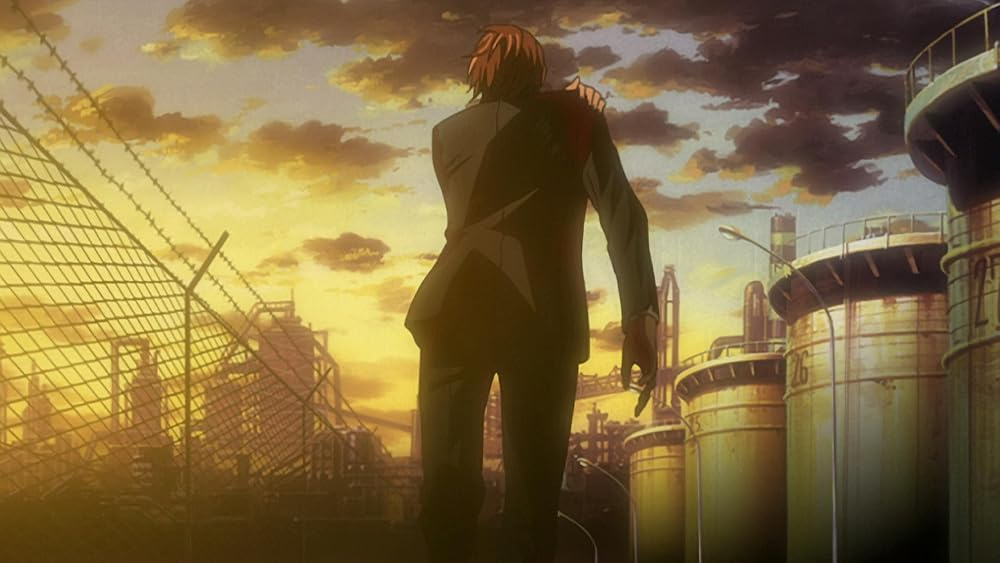
The thing Death Note understands that most Western narratives struggle with is that moral ambiguity isn’t the same as moral equivalence.
Light is wrong. The show is clear about that, even as it spends thirty-seven episodes making his logic coherent. But being wrong doesn’t make L unambiguously right, or Near untainted, or the pre-Kira justice system worth defending. The series holds multiple flawed positions simultaneously without resolving them into a lesson.
Western storytelling, shaped by decades of network television structure, often reaches for the closing argument. Someone has to be more right. The finale has to adjudicate. Even prestige TV, for all its celebrated moral ambiguity, tends to assign consequence as a form of verdict.
Light’s death at the end of Death Note isn’t a verdict. It’s Ryuk finishing his apple.
The Question It Leaves You With
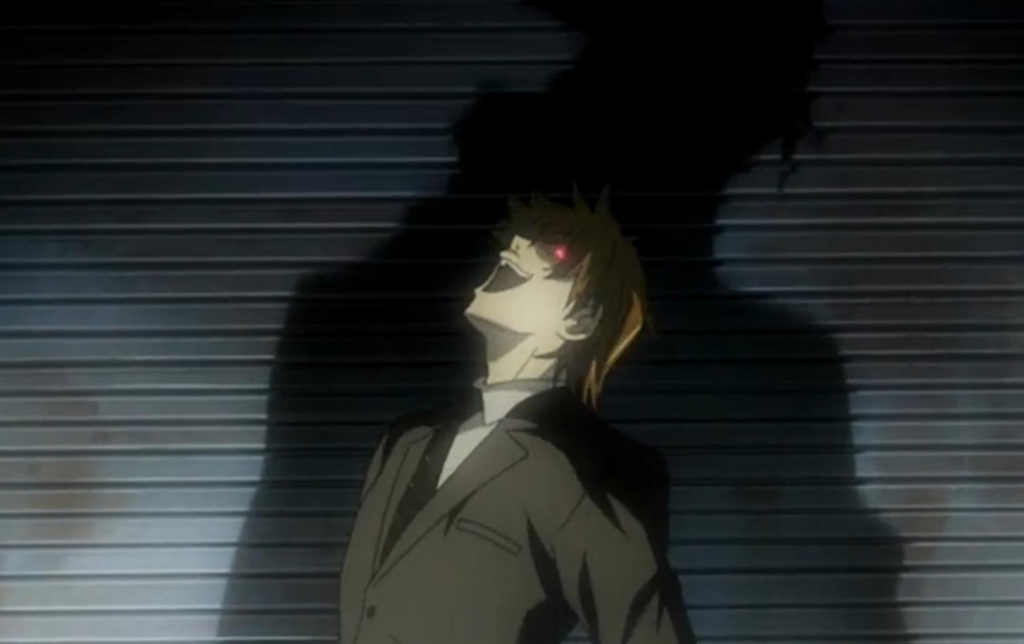
The most unsettling thing about Death Note isn’t what Light does. It’s that by episode ten, most viewers have already caught themselves mentally drafting the list of people who probably deserve it.
That’s not an accident. That’s the architecture.
The series isn’t warning you against power. It’s showing you the shape of something you already had.