

If Ergo Proxy were a normal anime, its ending would explain itself, roll credits, and politely ask if you enjoyed the show. Instead, it locks the door, turns off the lights, and asks you what you think you are. That’s why so many fans walk away feeling impressed, confused, or emotionally audited. The finale isn’t obscure for the sake of being clever—it’s precise, personal, and quietly brutal. Most people miss it because they’re looking for answers when the show is busy dismantling the question.
Below is what the ending is actually doing, why it matters, and how it connects to a world that looks suspiciously like ours.
1. Vincent Law Doesn’t “Become” Himself—He Accepts the Lie
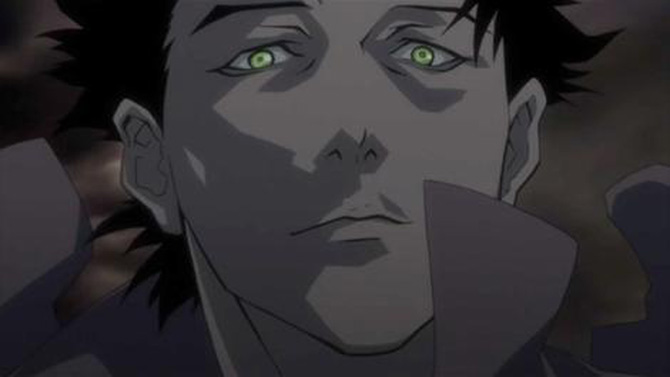
By the time the final episode ends, the big reveal feels obvious in hindsight: Vincent Law and Proxy One are the same being. But that revelation isn’t the ending. It’s the setup. The real conclusion happens when Vincent stops trying to escape what that means.
Throughout the series, Vincent desperately wants to be ordinary. Not powerful, not chosen, not ancient—just a guy who can exist without apologizing for it. That desire drives nearly every bad decision he makes. When he runs from Romdeau, when he rejects his memories, when he keeps hoping someone else will tell him who he is, he’s essentially asking the universe for a return policy on his own existence.
Proxy One, on the other hand, already knows the truth and hates it. He embodies what happens when self-awareness curdles into self-loathing. His plan—to erase himself by handing the future to Vincent—isn’t heroic. It’s exhaustion dressed as strategy.
The ending works because Vincent doesn’t defeat Proxy One in a traditional sense. He absorbs him. Not in a flashy power-up way, but in the quiet realization that there is no version of himself untouched by guilt, creation, or destruction. The show doesn’t reward him with clarity. It gives him responsibility.
That final choice—to face the coming dawn knowing it may erase him—lands because it rejects the fantasy that identity is something you discover. In Ergo Proxy, identity is something you endure.
There’s a line late in the series that circles this idea relentlessly: “I think, therefore I am.” The show treats that statement less like philosophy and more like a threat. Consciousness isn’t a gift here. It’s a sentence.
2. Romdeau Falls Because It Works Exactly as Designed
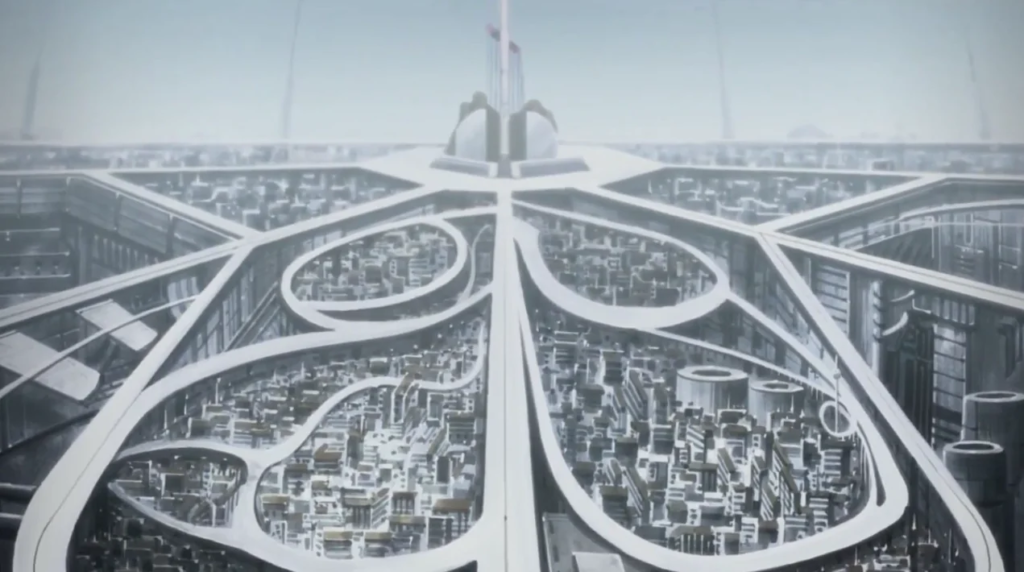
Romdeau’s collapse often gets read as a tragedy. A once-perfect city brought down by secrets, Proxies, and rogue AutoReivs. But that framing lets the system off easy.
Romdeau doesn’t fail because it’s corrupted. It fails because it succeeds too well.
Every citizen is monitored. Emotions are regulated. Even love is bureaucratic. Re-l Mayer’s entire job exists because the city assumes that control will eventually produce something uncontrollable. That isn’t irony—it’s policy. The Council knows the system is fragile, which is why it doubles down on it. More surveillance. More artificial intelligence. More distance between cause and consequence.
When the Proxy Project is revealed, it becomes clear that Romdeau was never meant to last forever. It was a shelter designed to delay extinction, not prevent it. The humans inside weren’t living in a utopia; they were waiting rooms with better lighting.
What makes the ending sting is that no one really “wins” when Romdeau dies. The humans lose certainty. The AutoReivs lose purpose. The Proxies lose relevance. It’s an apocalypse with paperwork still pending.
This hits harder when you remember Ergo Proxy aired in the mid-2000s, a period defined by economic anxiety, expanding surveillance, and the growing belief that safety could be engineered if enough data was collected. The city’s obsession with control mirrors a real-world fear: that chaos can be eliminated through systems alone. The show’s answer is blunt. Systems don’t remove chaos. They just decide who gets crushed by it first.
3. Monad Leaves Because Hope Is Optional
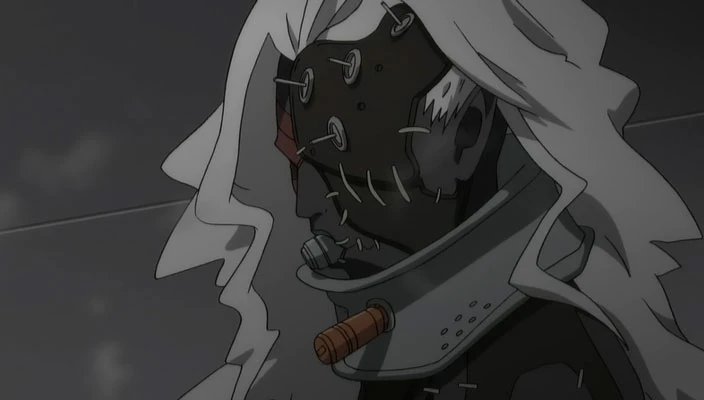
Monad’s exit is one of the most misunderstood moments in the series. She doesn’t escape. She doesn’t lose. She leaves.
Her relationship with Vincent is framed almost romantically, but it’s less about love and more about recognition. Monad sees Vincent not as a savior, but as a being capable of choosing something other than annihilation. When she sacrifices herself so he can live, it isn’t noble in the traditional sense. It’s selective.
The series is ruthless about this: the world will continue whether humanity deserves it or not. Monad’s choice doesn’t redeem mankind. It just gives it another chance to disappoint someone else later.
What makes this resonate is how little comfort the ending offers. There’s no rebuilt city, no promise of peace, no triumphant speech about the future. Vincent walks into the sunlight knowing full well that awareness might destroy him. The show refuses to lie about what survival costs.
That refusal is why the ending lingers. It doesn’t wrap things up—it strips them down. Meaning isn’t found in answers, but in the decision to keep going without them.
Conclusion: The Ending Isn’t Confusing—It’s Unforgiving
The ending of Ergo Proxy doesn’t confuse viewers because it’s vague. It confuses them because it’s specific in ways people don’t expect. It isn’t asking who survives or what the future looks like. It’s asking whether self-awareness is worth the damage it causes.
Most fans miss that because they’re waiting for closure. Ergo Proxy isn’t interested in that. It’s interested in what happens after the credits, when the philosophy stops being clever and starts being inconvenient.
And that’s why the ending works. It doesn’t explain itself. It dares you to live with it.