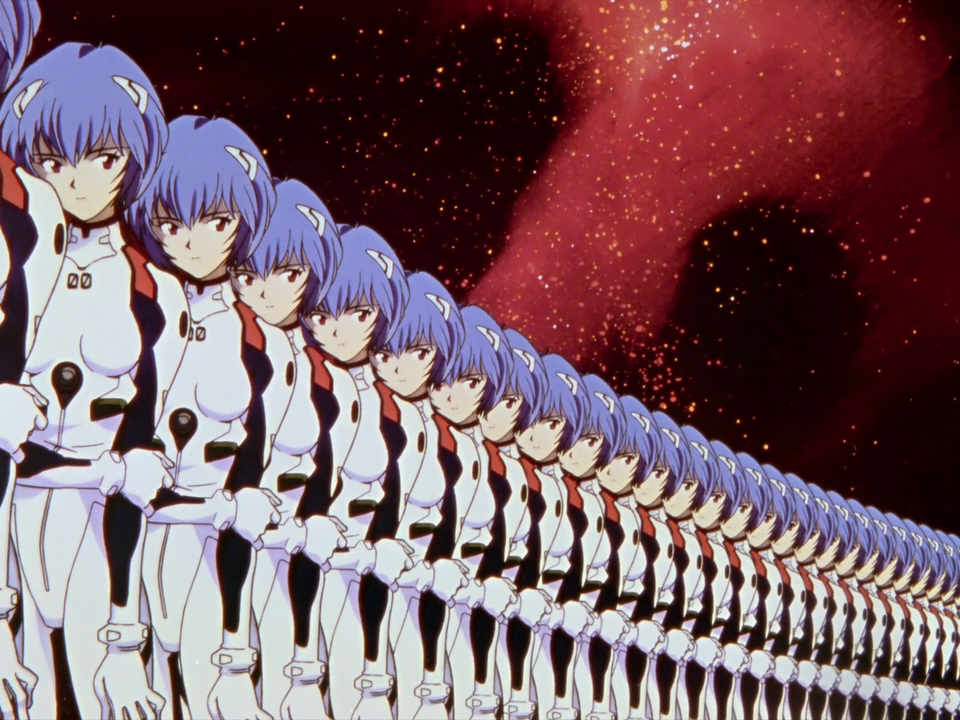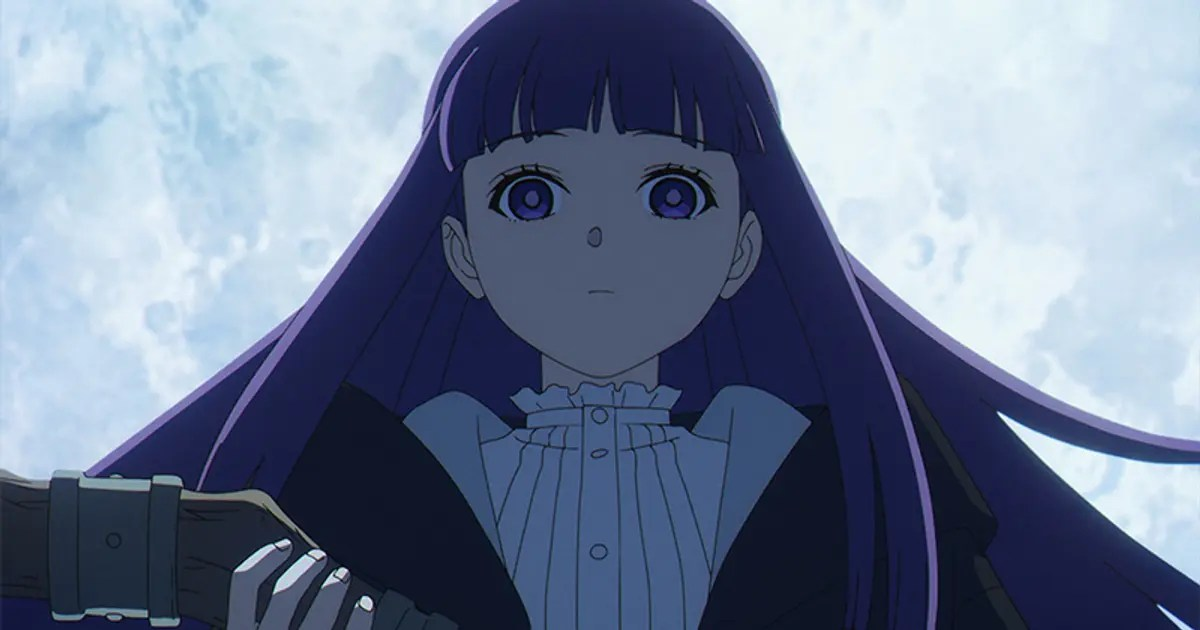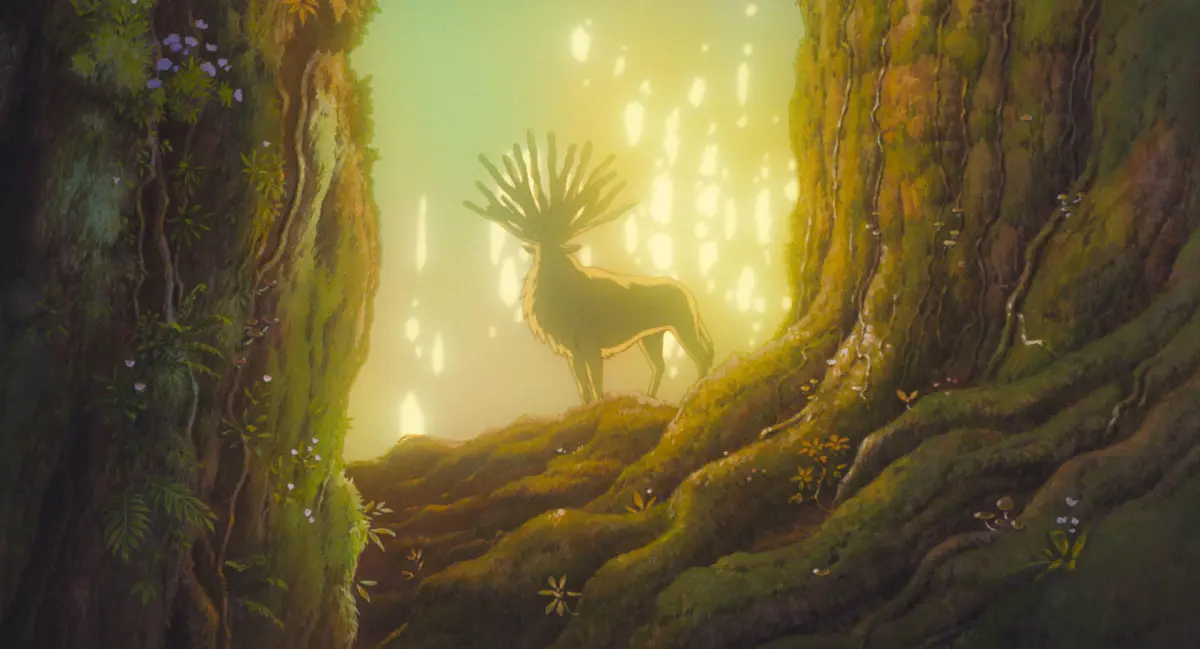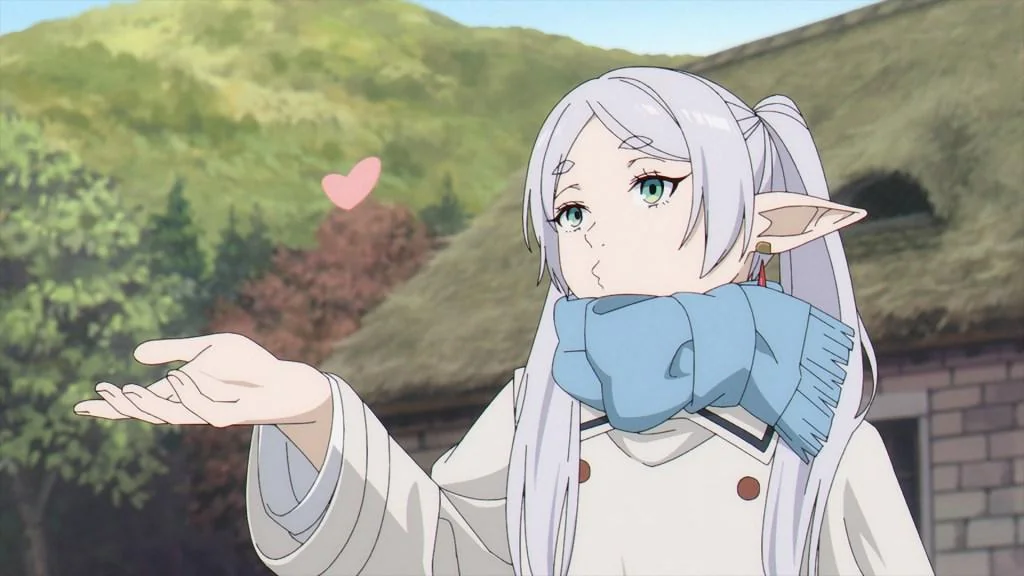

There’s a moment—usually around 2:37 a.m.—when you realize you’re not just watching anime anymore. You’re negotiating with sleep, telling yourself “one more episode” the way gamblers talk to slot machines. At that point, a question quietly clears its throat in the back of your mind: Am I an otaku?
This word gets thrown around like a plush toy at a convention booth, but it carries more history, baggage, pride, and social misunderstanding than most labels people casually adopt. So let’s talk about it. Not in a clean, clinical way—but in the way it actually shows up in real life, spreadsheets, courtrooms, office HR departments, and the quiet glow of a monitor at night.
1. When a Hobby Quietly Turns Into a Second Job
In Japan, the word otaku didn’t start as a compliment. In the early 1980s, it was a polite second-person pronoun that somehow mutated into a cultural diagnosis. By 1989, after the arrest of Tsutomu Miyazaki (a serial killer who owned thousands of anime and horror tapes), Japanese media welded the term otaku to moral panic. Anime fans everywhere paid the price for crimes they did not commit—an early reminder that enjoying cartoons can apparently ruin a nation’s reputation.
Fast forward a few decades. In 2019, the Yano Research Institute estimated Japan’s otaku market at roughly ¥2.5 trillion (about $22 billion USD). This includes anime, manga, games, figurines, and idol-related spending. That’s not a hobby; that’s an economic sector with opinions.
Consider Akihabara in Tokyo. Once a post-war electronics district, by the mid-2000s it had transformed into a neon shrine to fandom. Companies like Good Smile Company and Kadokawa didn’t just sell products—they sold completion. Limited editions, preorder bonuses, region-exclusive Blu-rays. You weren’t encouraged to watch a show. You were invited to reorganize your budget around it.
And here’s the uncomfortable part: the structure works because it mirrors work. Deadlines (seasonal releases), performance metrics (sales rankings, Oricon charts), and burnout (try keeping up with every seasonal anime in October). Somewhere between tracking release calendars and arguing about animation studios on Reddit, leisure starts clocking overtime hours.
It’s impressive. It’s exhausting. And it makes you wonder who’s actually in charge of your free time.
2. The Global Otaku: Same Brain, Different Rent Prices
Outside Japan, otaku went through a PR makeover. In the United States, the early 2000s anime boom—powered by Toonami, ADV Films, and later Crunchyroll—turned the term into something closer to “enthusiast” than “social outcast.”
By 2022, Crunchyroll reported over 10 million paid subscribers worldwide. Netflix, not known for charity work, announced in 2020 that anime was among its fastest-growing content categories, reaching over 100 million households globally. When a corporation like Netflix starts learning Japanese production committee politics, you know something irreversible has happened.
Take the case of Studio Trigger’s Cyberpunk: Edgerunners in 2022. The anime caused CD Projekt Red’s Cyberpunk 2077 player count to spike by over 300% on Steam within weeks. An anime resurrected a video game that had already gone through its public shaming ritual. That’s not soft power—that’s necromancy.
But global fandom has its own rituals. Convention attendance numbers tell a quiet story. Anime Expo in Los Angeles pulled in over 100,000 attendees in July 2019, turning downtown LA into a traffic experiment that failed instantly. Hotels filled up. Local businesses adapted menus. Security staff learned words they never asked to know.
This version of otaku culture is louder, more social, and somehow still deeply solitary. Thousands of people together, all bonded by fictional characters who do not pay rent or answer emails.
3. The Stereotype That Refuses to Die (But Should Probably Retire)
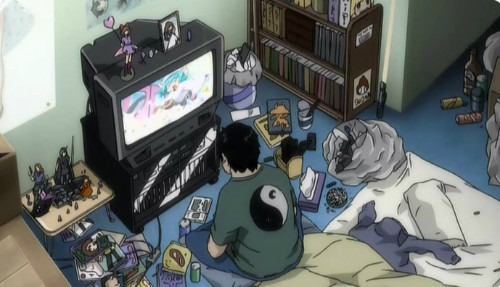
The image persists: a socially isolated person, surrounded by merchandise, allergic to daylight. Reality, inconveniently, doesn’t cooperate.
In 2014, a survey by the Nomura Research Institute found that a significant portion of self-identified otaku in Japan were employed full-time, many in technical or creative fields. Some were married. A few even had children who would later roll their eyes at their parents’ old DVDs.
Meanwhile, companies noticed. In 2018, Toyota used Hatsune Miku—a virtual idol powered by Vocaloid software—in marketing campaigns. The message was subtle: if you have disposable income and emotional loyalty, you matter. The stereotype quietly stepped aside for the customer profile.
What doesn’t get mentioned enough is how otaku culture preserves media history. Fansubs in the 1990s archived series that would otherwise be lost. Scanlation groups digitized manga long before publishers saw international value. This was unpaid labor, legally questionable, and historically invaluable. Libraries will someday thank people who argued online about translation accuracy at 3 a.m.
Still, the stigma lingers. Enjoy something too intensely, and society gets nervous. Passion is celebrated only when it’s profitable and photogenic. Anything else needs an explanation.
So… Are You One?
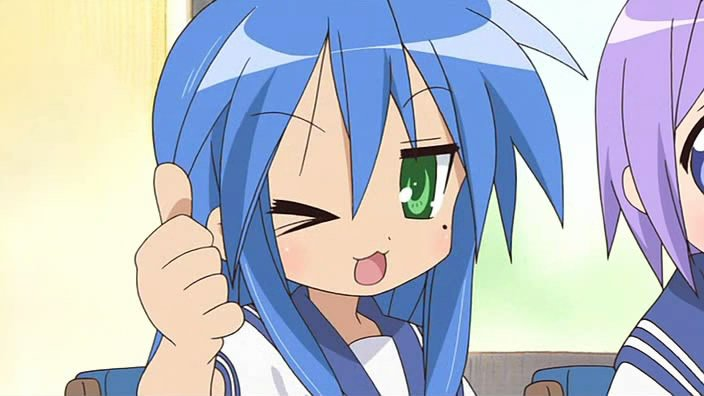
If you’ve ever defended a fictional character with courtroom-level preparation, reorganized your schedule around release dates, or owned something you were afraid to calculate the total cost of, the answer might already be hovering nearby.
Being an otaku isn’t about liking anime. It’s about sustained attention in a world that punishes it. It’s about caring too much, for too long, about things that don’t ask permission to matter.
And whether that feels comforting or slightly alarming probably says more than any label ever could.