

Every season promises a dozen shows that swear they’ll change your life. Most of them change your free time and your sleep schedule, which is arguably worse. Frieren: Beyond Journey’s End shows up quietly, dressed like a classic fantasy, and then spends 24 minutes asking uncomfortable questions about time, memory, and what it means to outlive everyone who ever tolerated you. The short answer to whether it’s worth watching is “yes,” but that feels like saying a funeral is “well-organized.” Let’s unpack why.
1. When the Adventure Is Over—and That’s the Point

Most fantasy anime treat the Demon King like a final exam. Beat him, cue fireworks, roll credits. Frieren opens after that moment. The hero Himmel is already a legend, the party is already disbanded, and the world has moved on with the enthusiasm of someone deleting old group chats.
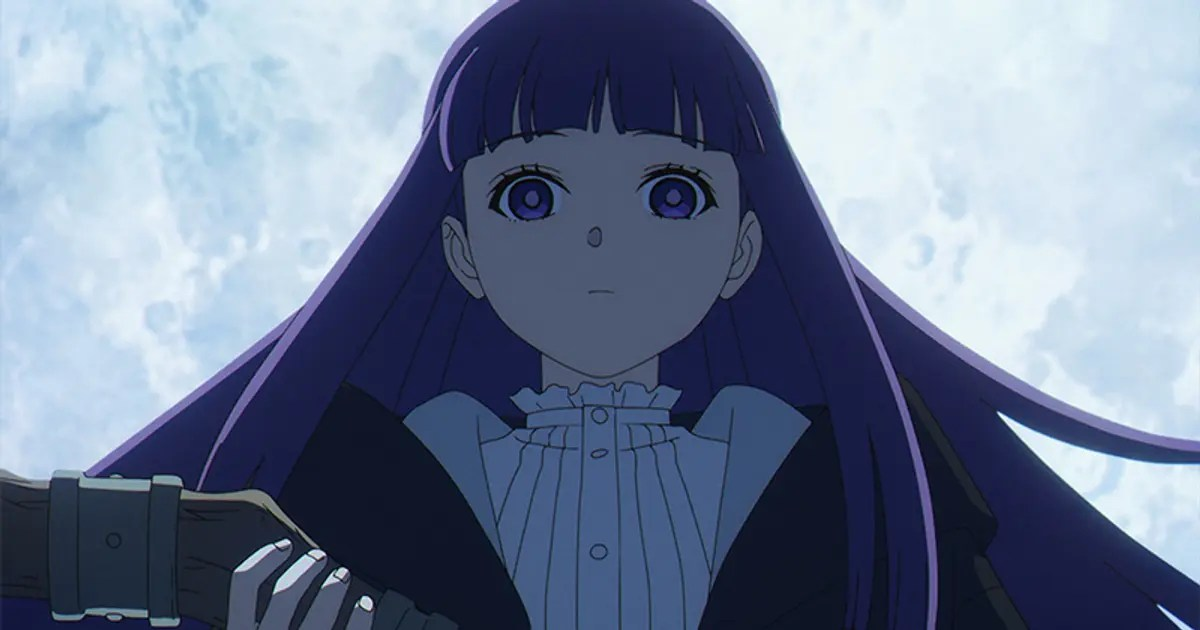
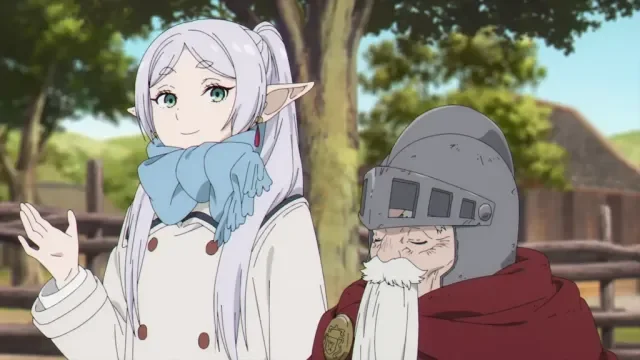
Frieren herself—an elven mage who ages at a glacial pace—initially treats a decade-long quest as a casual weekend trip. Early scenes make this painfully clear. Himmel asks her to join him to watch a meteor shower that only appears every fifty years. She agrees, misses the emotional weight entirely, and only later realizes that fifty years is a lifetime to everyone else. The scene lands not because it’s dramatic, but because it’s brutally mundane. Nobody yells. Nobody monologues. Time just… happens.
The funeral arc that follows is where the series quietly breaks something inside you. Himmel’s death isn’t framed as tragic heroism. It’s paperwork, rain, and people who don’t know what to say. Frieren cries—not because Himmel was the greatest hero who ever lived, but because she finally understands she never bothered to know him while she had the chance. That realization hits harder than any demon battle.
This is where the show earns its reputation. It doesn’t punish Frieren with guilt theatrics. Instead, it hands her a lifetime of hindsight. Her journey afterward isn’t about saving the world; it’s about retracing steps, meeting people Himmel helped decades ago, and learning who her former companions actually were. Watching her piece together Himmel’s kindness through strangers feels like assembling a personality from museum exhibits. It’s touching. It’s also deeply uncomfortable, like reading someone’s obituary and realizing you were friends.
The dark humor sneaks in quietly. Frieren will spend ten years searching for a spell that slightly warms tea, while casually forgetting that humans expire during that time. The joke isn’t that she’s cruel—it’s that immortality makes procrastination a lifestyle choice.
2. Fern, Stark, and the Violence of Small Moments
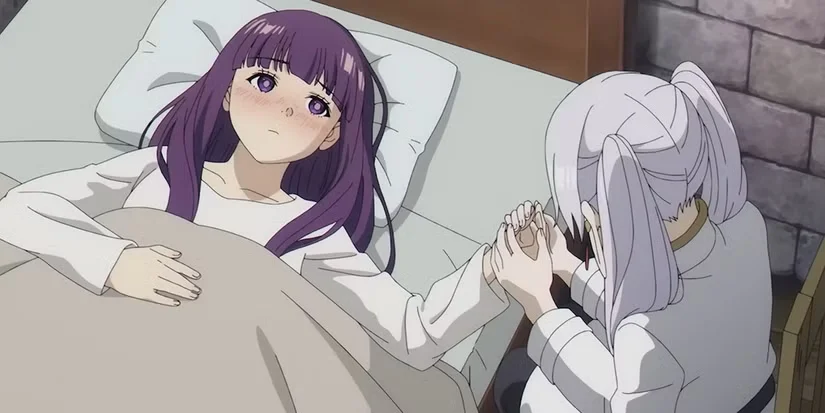
If Frieren were only about regret, it would collapse under its own melancholy. Instead, it brings in Fern and Stark, two characters who function as emotional translators between Frieren and the audience.
Fern, raised by the priest Heiter, is practical to the point of emotional blunt force. She scolds Frieren for sleeping too much, wasting time, or forgetting basic human customs. These aren’t cute tsundere jabs. They’re survival skills. Fern knows exactly how short her life is, and she runs it like a strict budget. Every wasted day feels like fraud.
There’s a scene where Fern quietly realizes that Frieren will look exactly the same when Fern dies. The show doesn’t underline it. No sad music cue screaming “existential dread incoming.” Fern just tightens her grip on the present. That restraint is what makes it sting.
Stark, meanwhile, is a warrior who’s afraid of everything except doing the right thing at the worst possible time. He runs from fights, doubts himself constantly, and still stands his ground when it matters. His fear isn’t mocked; it’s treated as the default state of anyone who understands consequences. Watching him panic before a battle and then fight anyway feels uncomfortably relatable. Courage here isn’t confidence—it’s showing up while terrified.
The magic system reinforces this grounded tone. Spells are often mundane: cleaning clothes, preserving flowers, repairing roofs. Frieren collects these spells like emotional souvenirs, not weapons. One of the series’ most quietly devastating moments involves a simple illusion spell Himmel once admired. Frieren learns it decades later, long after it matters. The spell works perfectly. The timing doesn’t.
There’s a particular cruelty in how gently the show treats death. Characters pass away between episodes. You hear about it casually, like missed appointments. That’s not accidental. Frieren understands that most loss in real life isn’t cinematic. It’s inconvenient, poorly timed, and often noticed too late.
3. Why Frieren Feels So Now (and Why That’s Unsettling)
It’s hard not to connect Frieren to modern cultural anxiety without forcing it. Japan’s aging population, shrinking workforce, and generational disconnect form a quiet backdrop that mirrors the show’s emotional logic. A society where elders outnumber the young inevitably grapples with memory, legacy, and the fear of being forgotten. Frieren, an immortal surrounded by mortals, embodies that imbalance in human form—well, elven form.
The series was written by Kanehito Yamada and illustrated by Tsukasa Abe, and while neither has framed Frieren as social commentary in loud terms, interviews consistently point to its interest in “what happens after the story ends.” That framing resonates in an era obsessed with productivity, speed, and measurable success. Frieren dares to ask whether any of that matters once the applause stops.
Economically, too, the show’s pacing feels rebellious. There’s no rush to monetize excitement. Episodes linger on conversations, landscapes, and silences. In a media environment designed to hook attention in seconds, Frieren trusts viewers to sit still. That alone feels radical.
Even its humor reflects this cultural mood. Jokes land slowly, often built on emotional whiplash rather than punchlines. Frieren earnestly praises a spell that produces slightly prettier garbage disposal, while ignoring the fact that Fern is having a mild existential crisis beside her. It’s funny because it’s true. Emotional misalignment is practically a global language now.
One lesser-known detail that adds to this texture: many background locations in Frieren are inspired by real European towns, but deliberately stripped of identifiable landmarks. The world feels familiar but unplaceable, reinforcing the idea that memory outlasts geography. Places blur. People don’t.
Conclusion: So… Is It Worth Watching?
Frieren: Beyond Journey’s End isn’t here to hype you up. It won’t flood your bloodstream with adrenaline or convince you to shout a character’s name during fights. What it will do is sit beside you, calmly pointing out how much time you’ve already spent, and how much you’re assuming you still have. Somehow, it does this while being funny, gentle, and occasionally devastating in the way only quiet truths can be.
If you’re looking for an anime that respects your intelligence, your patience, and your creeping awareness of mortality—this one earns its place. Just don’t expect it to hurry. It has all the time in the world.