

There comes a specific moment in every anime fan’s life when it finally sinks in: not every cancellation happens because of low ratings. Sometimes things derail because someone did something so outrageous in real life that neither the power of friendship nor a 12-episode redemption arc can save it.
This article is a small dive—half documentary, half rant—into some of the most controversial cases in anime history, where crimes, censorship, questionable editorial decisions, and dubious creative choices sent entire franchises straight into limbo. Put on your helmet: the ground is slippery.
When the Samurai Falls Off His Horse: Rurouni Kenshin
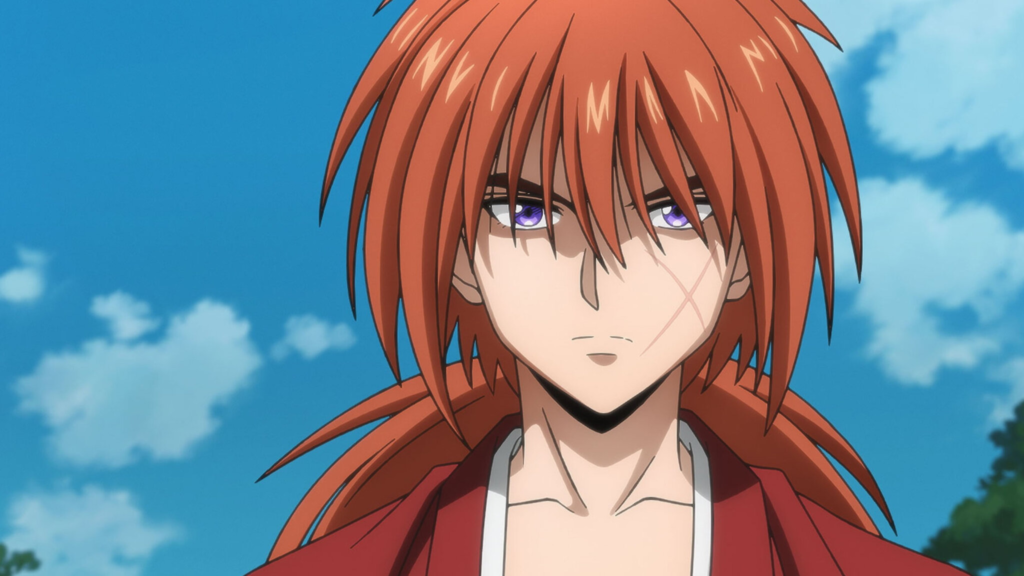
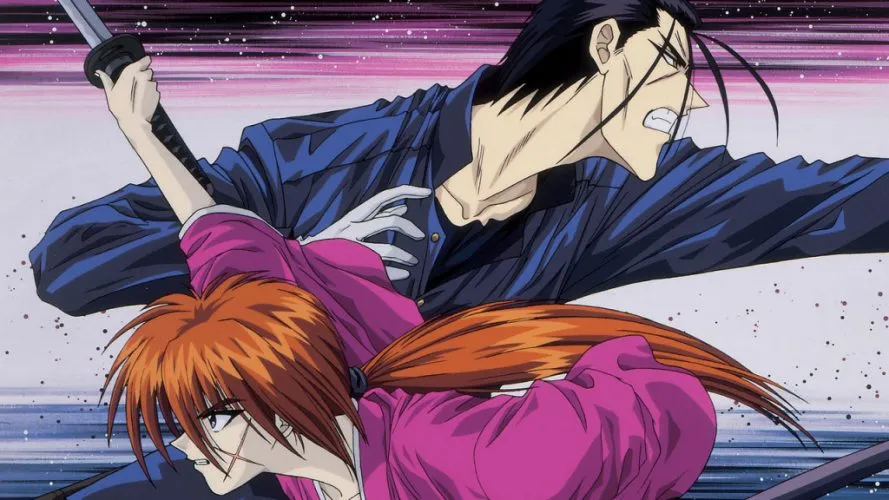
For years, Rurouni Kenshin was synonymous with redemption, honor, and morally coded violence. A former assassin trying to atone for his past sins—beautiful, poetic, marketable. The irony was complete when its own creator, Nobuhiro Watsuki, became the center of a scandal no script could ever justify.
In 2017, Watsuki was convicted in Japan for possession of child sexual abuse material. The shock was immediate. Publishers froze releases, stores pulled volumes from shelves, and the industry unsuccessfully tried to pretend this was just a “bad arc” in real life.
The detail that always leaves a bitter taste is that the legal punishment was relatively light, while the cultural impact was devastating. The work slowly returned in Japan, but abroad the name Kenshin now carries an invisible asterisk. An anime about eternal repentance became an example of how not every mistake can be “overcome in the next chapter.”
The Anime That Died Before Being Born: Act-Age
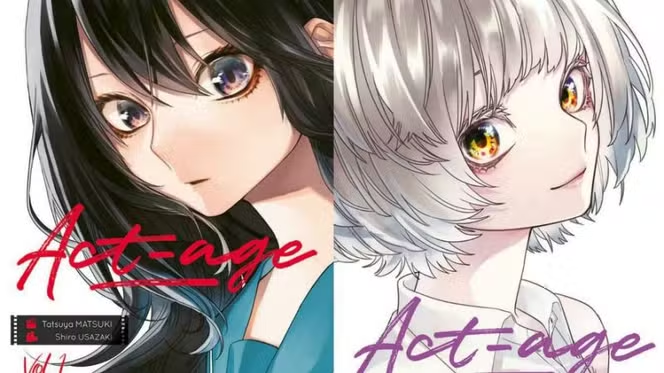
Few cancellations were as fast—or as final—as Act-Age. The manga was a critical success, praised for its mature writing and its almost surgical portrayal of the acting world. An anime adaptation was already in the planning stages when reality stepped in and ruined everything without even apologizing.
Author Tatsuya Matsuki was arrested for sexually harassing minors. There was no dramatic announcement, no attempt to salvage the work. Shueisha slammed the brakes hard: manga canceled, volumes halted, anime tossed into the shredder before it even got a teaser.
What makes it especially cruel is that Act-Age dealt precisely with emotional manipulation, power dynamics, and ethical boundaries. The series became one of those cases where rereading old chapters feels uncomfortable, almost archaeological. It wasn’t just an anime that got canceled—it was a franchise erased in a hurry, as if it had never existed.
When Ecchi Went Too Far: Interspecies Reviewers
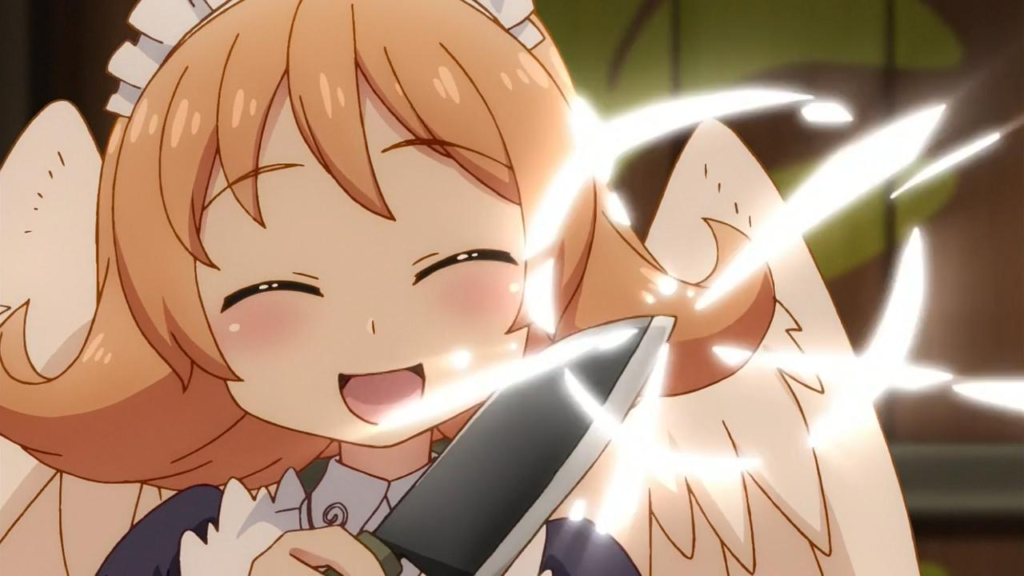
Everyone knows Japan has a… creative… relationship with age ratings. But Interspecies Reviewers managed something rare: it scandalized even audiences already immune to absurdity.
The premise is simple, almost innocent on paper: characters visit brothels in a fantasy world and review the experience. In practice, it became a parade of scenes that left broadcasters staring at their contracts like they were reading an ancient curse.
Funimation, which initially licensed the anime, dropped it midway with an apology that sounded like, “We genuinely did not see this coming.” In Japan, channels canceled broadcasts, time slots were cut, and the anime gained notoriety precisely for being “the one nobody wanted to take responsibility for.”
Ironically, the cancellation only boosted its popularity. The series became an unintended symbol in the eternal debate about censorship, hypocrisy, and just how far you can push a joke before someone pulls the plug.
A Finale That Made Viewers Cry for Help: School Days
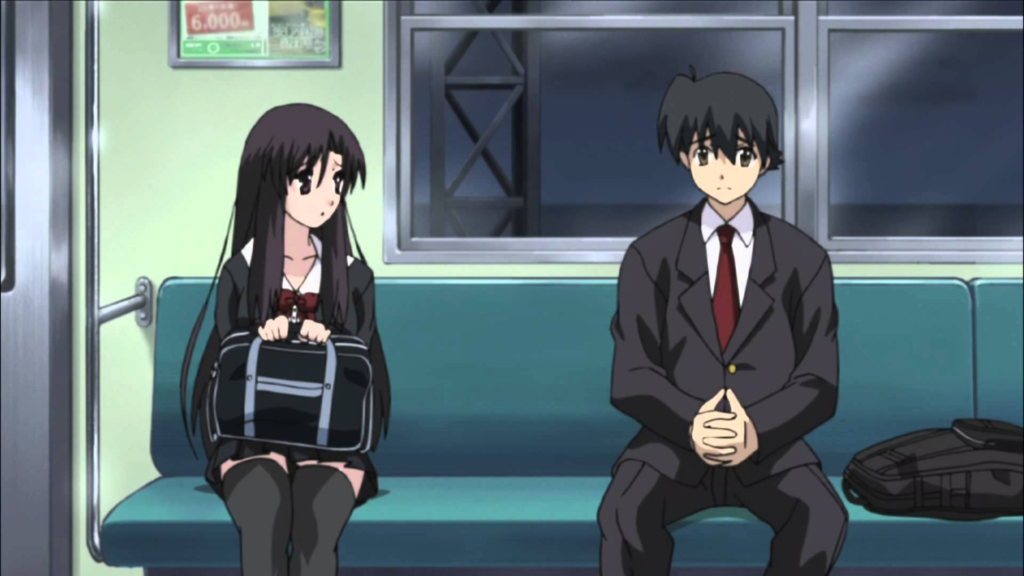
School Days started as a generic school romance—the kind you half-watch while eating something. It ended as a collective trauma.
The anime became infamous for a finale so violent and unexpected that it coincided, in a macabre twist of fate, with a real-life murder in Japan shortly before the final episode aired. The result? The episode was delayed, programming was replaced with serene landscape footage, and an entire country tried to process what had just happened—both in fiction and in reality.
While it wasn’t officially canceled, School Days went down in history as an example of how far a narrative can go before completely losing control. To this day, it’s mentioned whenever someone brings up “that anime you never recommend without a very serious content warning.”
What All These Cases Have in Common
These anime didn’t fall by accident. They collided head-on with legal, moral, social, and even psychological boundaries. In some cases, the problem was off-screen. In others, the screen itself was the problem.
The anime industry loves to talk about fantastical worlds, but these cancellations are a reminder that reality always charges admission. Sometimes—with interest.
Conclusion
Anime canceled due to controversy are uncomfortable, fascinating, and impossible to ignore. They expose the industry’s less romantic side: flawed creators, disastrous editorial decisions, and the thin line between boldness and total disaster.
Being an anime fan also means knowing how to deal with these strange, heavy, and occasionally absurdly ironic stories. Because in the end, not every anime gets a graceful ending—some just cut to black and pretend nothing ever happened.