
There’s a question that keeps coming back like a shōnen character who absolutely refuses to stay dead: does anime help or hurt mental health?
The short answer is “yes.”
The long—and much more entertaining—answer involves epileptic seizures broadcast on national TV, directors having full-blown existential meltdowns, studios being blamed for collective trauma, and shows that accidentally turned into group therapy for an entire generation.
What follows isn’t sketchy forum theory or a viral social thread. These are real cases that made the news on major outlets, debated by doctors, broadcasters, studios, and even governments. All of it wrapped in cute characters, emotional soundtracks, and the uncomfortable detail that no one ever promised we’d come out unscathed.
When Pikachu Became an ER Case (1997)

On December 16, 1997, Japan came to a halt. Literally. During the broadcast of the Pokémon episode “Electric Soldier Porygon,” around 700 children were rushed to hospitals with seizures, nausea, disorientation, and loss of consciousness. The episode featured rapidly alternating red and blue flashes at about 12 Hz—basically a visual RSVP to neurological chaos.
TV Tokyo pulled the episode immediately. Nintendo, Game Freak, and Creatures Inc. went straight into damage-control mode. The anime was taken off the air for four months, and the entire country collectively relearned that photosensitive epilepsy is not “being dramatic.”
The weirdest part? The character that got banned wasn’t Pikachu (the actual narrative culprit), but Porygon, who to this day carries the collective blame like a digital scapegoat. After that incident, visual safety warnings became standard in anime, and directors started treating flashing lights like radioactive material. A nationally televised seizure outbreak will do that.
Hikikomori, Isolation, and a Mirror Nobody Asked For
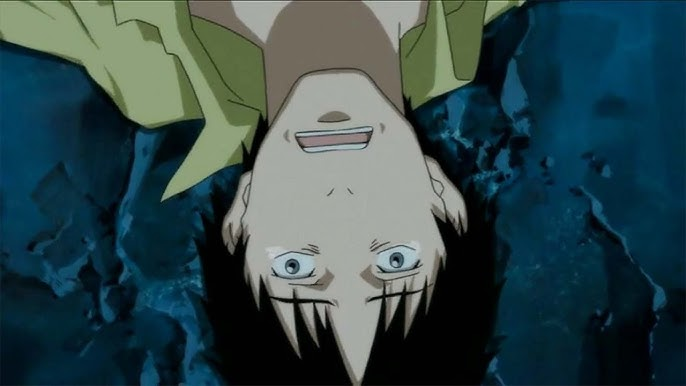
When Welcome to the NHK aired in 2006, a lot of people laughed. Then they got uncomfortable. Then they turned off the TV and stared at the ceiling for a while.
Based on the novel by Tatsuhiko Takimoto and animated by Studio Gonzo, the series follows Tatsuhiro Satō, a young man dealing with severe social anxiety, extreme isolation, and an impressively creative relationship with conspiracy theories.
The hikikomori phenomenon had already been covered in reports by NHK World, the BBC, and The Guardian, but the anime did something different: it shoved the viewer directly inside the head of someone in functional collapse. Japanese psychologists noted in interviews that the show didn’t romanticize isolation—but also refused to offer easy answers. This annoyed part of the audience and deeply relieved another.
One detail rarely mentioned: many episodes aired late at night. Not by accident. The target audience was awake. And probably alone.
Bullying, Silence, and an Apology That Hurts

In 2016, A Silent Voice hit Japanese theaters—and then the rest of the world—animated by Kyoto Animation and directed by Naoko Yamada. The story centers on bullying, hearing disability, depression, and suicidal ideation—topics that usually come with warning labels, but here arrived wrapped in delicate music and characters breathing guilt through every frame.
Japanese and Western media reported audiences crying in theaters and leaving in complete silence, as if speaking would be disrespectful. Educators in Japan used the film in school discussions about empathy and psychological violence. Others criticized it for being “too emotional.” As if that were a flaw.
Kyoto Animation, known for its almost obsessive attention to human detail, consulted sign-language specialists to ensure realism. The result is a film that doesn’t shout, doesn’t preach, but pokes exactly where it hurts—and then apologizes. Over and over again.
Evangelion: When the Director Also Needed Therapy
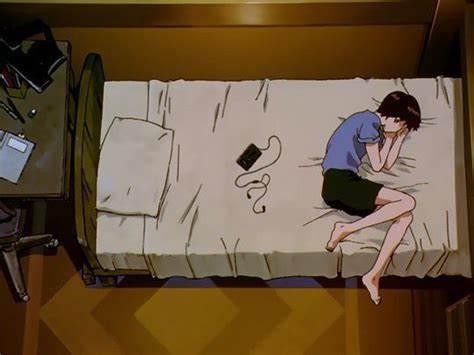
No honest conversation about anime and mental health can skip Neon Genesis Evangelion. Released in 1995 by Studio Gainax, the series made headlines not just for its divisive ending, but because its creator, Hideaki Anno, openly spoke about his clinical depression during production.
Magazines like Newtype and Japanese newspapers covered Anno’s creative breakdown, which ultimately turned the final arc of the series into a public animated introspection session. Audiences expected epic battles. What they got were internal monologues, paralyzing anxiety, and a protagonist who couldn’t get out of bed—uncomfortably relatable.
The impact was so strong that Japanese universities analyzed Evangelion in psychology and media studies courses. The infamous “Congratulations!” scene became a meme, a collective trauma, and an existential joke. Sometimes all three at once.
Between Escapism and Survival
More recent reporting from outlets like The New York Times, Time, and El País discusses how anime can function both as refuge and emotional amplifier. For some people with social anxiety, watching anime is the pause button that makes life manageable. For others, it turns into isolation with a catchy opening theme.
One rarely mentioned detail: many of the creators behind these works were not okay when they made them. And maybe that’s why they resonate. Not as cures, but as mutual recognition. A quiet agreement between creator and viewer: “Yeah, this isn’t easy for anyone.”
Conclusion: It’s Not the Anime. It Never Was.
Anime has been accused of corrupting youth, causing illness, encouraging isolation, and even “ruining a generation.” It’s also been credited with saving people at critical moments, starting impossible conversations, and giving emotional language to those who had none.
Maybe the problem was never Japanese cartoons.
Maybe it’s the mirror they insist on holding up—
even when nobody asked to look that closely.