

Cute romance anime are a carefully engineered trap by the Japanese industry: they look harmless, but at some point you’ll find yourself staring at the ceiling at 3 a.m., thinking about unanswered messages, awkward silences, and terrible emotional decisions you never made — or made, and deeply regret.
Below, we dive into five works that conquered hearts, timelines, and mild existential crises, analyzing their stories, production backgrounds, the people involved, and the quiet conflicts that make each of them hit far harder than they have any right to.
Tsuki ga Kirei — when love is basically anxiety
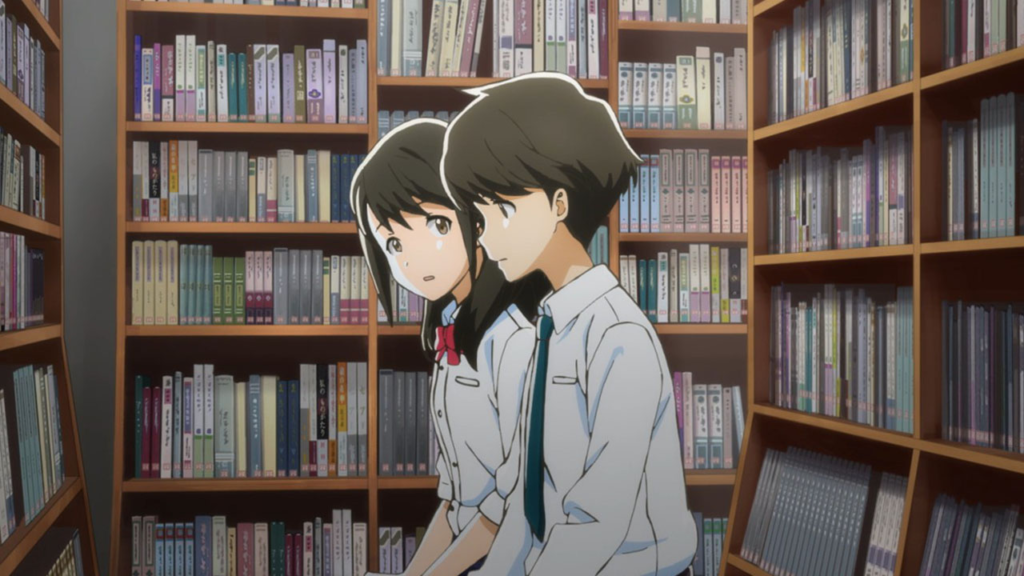
Released in April 2017, Tsuki ga Kirei was produced by studio Feel and directed by Seiji Kishi — a name more commonly associated with chaotic comedies than silent romance, which somehow makes everything feel even more suspicious.
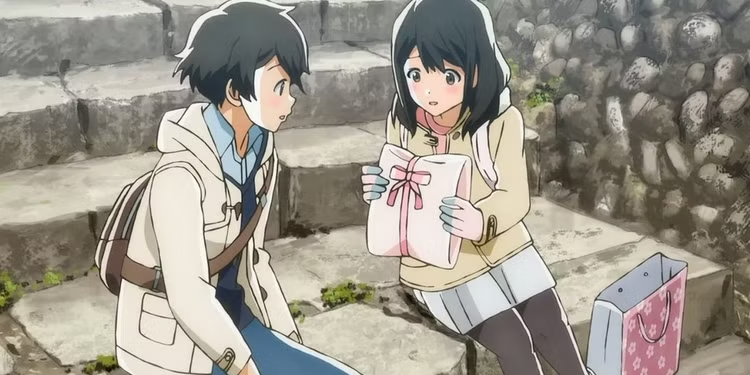
The story follows Kotaro Azumi and Akane Mizuno, two final-year middle school students who fall in love in the most Japanese way possible: by barely speaking. The romance unfolds through text messages, painfully awkward meetups, and the constant sensation that one wrong sentence could end everything. Spoiler: it usually does.
The anime became known for integrating LINE (yes, the real app) directly into its narrative — something unusual at the time and sharply divisive. Some found it brilliant. Others felt personally attacked by seeing chat bubbles on screen.
The most polarizing aspect of the series is its brutal honesty. There are no inspirational speeches or grand romantic gestures. There is growth, distance, choices — and an ending that makes you reflect on how many important people eventually turn into nothing more than functional memories.
Horimiya — a romance that’s too healthy for some
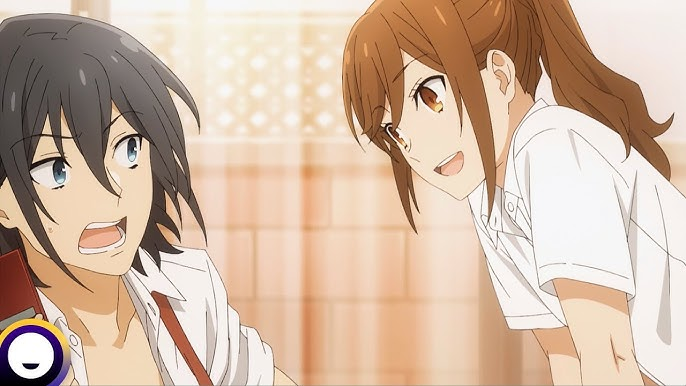
Based on the manga by HERO and illustrated by Daisuke Hagiwara, Horimiya received its anime adaptation in January 2021, produced by CloverWorks — a studio famous for making everything look beautiful enough to hurt.
The story centers on Kyoko Hori, popular, responsible, and exhausted, and Izumi Miyamura, the quiet kid in class who outside school looks like he belongs in an underground emo band. When their worlds collide, the romance happens fast — too fast for those who prefer 40 episodes of suffering before a near-confession.
And that’s where the controversy begins. Horimiya was accused of being “too ideal.” Couples communicate. People apologize. Conflicts are resolved through dialogue. A direct attack on traditional anime drama.
The anime was also criticized for rushing through the manga, cutting moments that further developed side characters. Still, it became a hit precisely because it shows something rare: a functional teenage romance that doesn’t require constant pain to justify its existence.
Kimi ni Todoke — extreme slow-burn cuteness
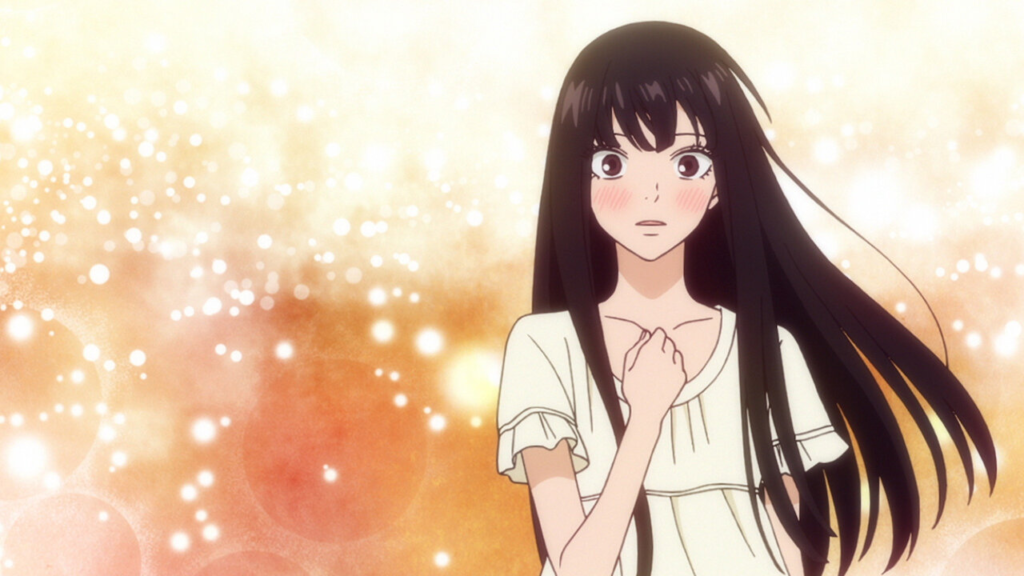
Premiering in October 2009, Kimi ni Todoke adapts the manga by Karuho Shiina, published by Shueisha and animated by Production I.G.
The protagonist, Sawako Kuronuma, is kind, polite, and socially obliterated because she resembles the girl from The Ring. Her romance with Shota Kazehaya progresses at such a glacial pace that it became a running joke: two seasons to achieve the emotional equivalent of a single “hi.”
But that pacing isn’t accidental. It reflects real social anxiety, communication struggles, and the crushing weight of rumors. This is an anime that shows how good intentions don’t prevent devastating misunderstandings — a deeply controversial stance for viewers who prefer characters who simply “talk things out.”
The dividing factor here is patience. For some, it’s emotional torture. For others, it’s a painfully honest portrayal of how shy people actually experience love.
Tonikaku Kawaii — marriage as step one (bold move or crime?)
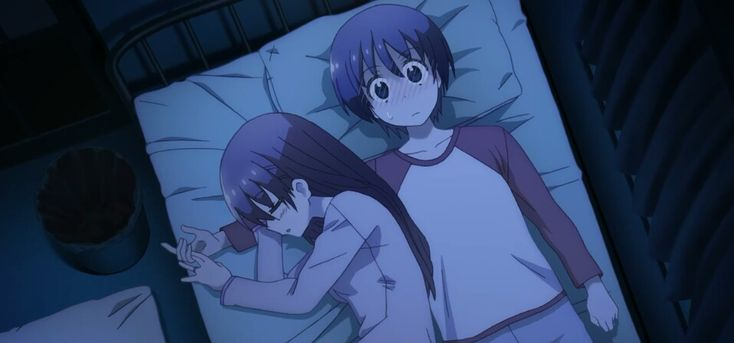
Produced by Seven Arcs and airing from October 2020 onward, Tonikaku Kawaii adapts the manga by Kenjiro Hata, best known for Hayate no Gotoku.
Here, Nasa Yuzaki gets married to Tsukasa in the very first episode. No dating. No buildup. No social approval. Just a “yes” and an impressive amount of bureaucratic paperwork.
The series sparked intense debate: was it shallow? Male fantasy? Or simply a different approach? As the story unfolds, it becomes clear that the focus isn’t conquest, but coexistence — small gestures, simple dinners, awkward nights, and a mysterious past that slowly turns the cuteness into something slightly unsettling.
The anime plays with Japanese social expectations around marriage, intimacy, and productivity, all wrapped in enough sugar to mask much deeper questions.
Ore Monogatari!! — the romance that fooled everyone
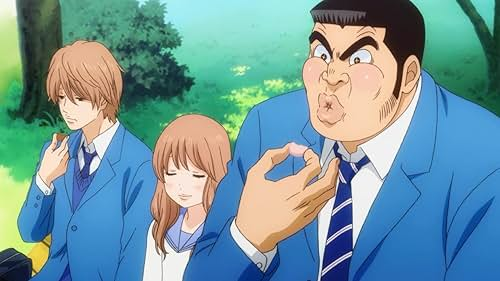
Released in April 2015, Ore Monogatari!! is based on the manga written by Kazune Kawahara and illustrated by Aruko, with animation by Madhouse.
The protagonist, Takeo Gouda, looks like a walking punchline: huge, clumsy, and emotionally transparent. The real twist comes when the anime refuses to mock him, instead placing him at the center of an absurdly sincere romance with Rinko Yamato.
The series subverts aesthetic and narrative norms, which caused initial resistance. Part of the audience simply wasn’t ready for a male lead who cries, shows affection without irony, and isn’t rewarded for cynicism.
It’s an anime that confronts modern sarcasm with radical kindness — something that, oddly enough, makes a lot of people uncomfortable.
Conclusion — cuteness is not the same as lightness
These anime aren’t cute because they avoid pain. They’re cute because they face pain without glamour — through silences, insecurities, and choices that rarely work out on the first try.
Each one, in its own way, exposes conflicts that divide audiences, break expectations, and remind us that romance isn’t about perfection — it’s about continuing to try even when your heart is requesting medical leave.
And maybe that’s exactly why they’re still revisited, recommended, and passionately discussed: deep down, everyone recognizes something uncomfortably real in them.