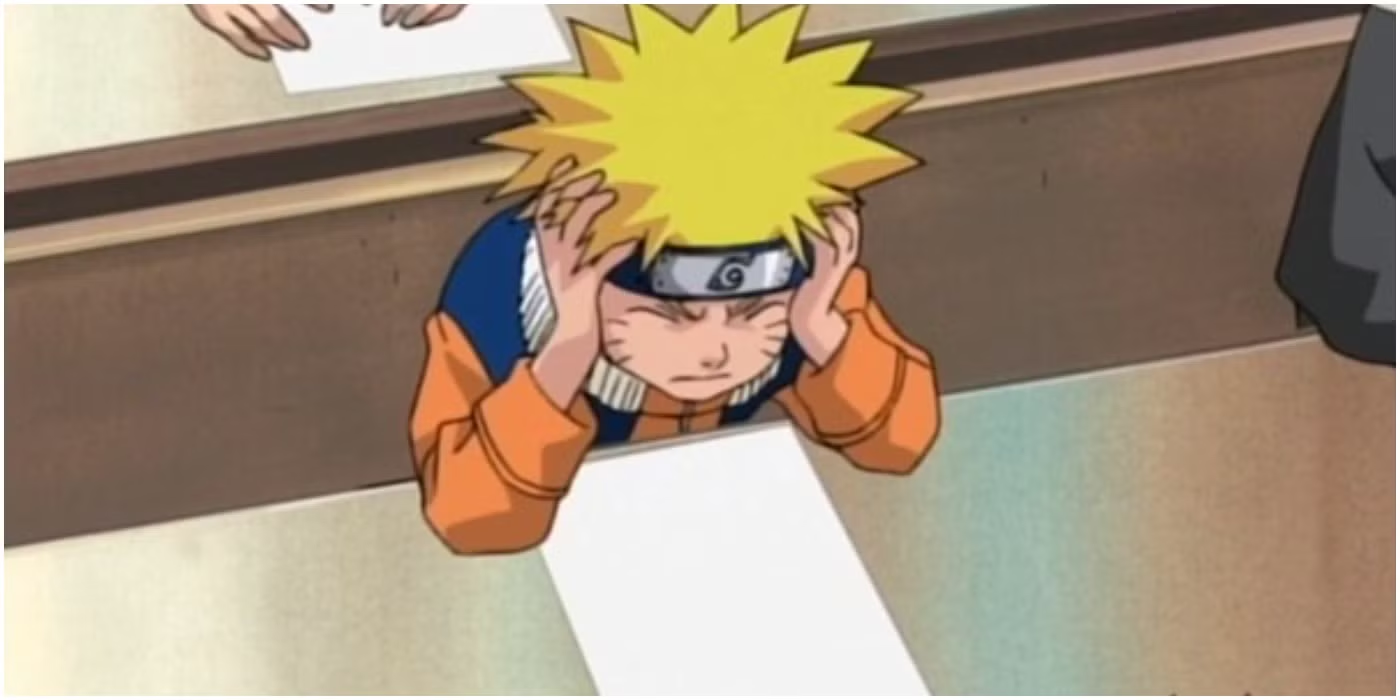

The moment Nagato reverses the deaths of everyone Pain killed in Konoha, the narrative makes a decision: grief has done its job and it’s time to move on. Naruto cries for Jiraiya, punches the moon in his heart, and then gets handed a resurrection miracle like a cosmic consolation prize.
Sasuke gets none of that.
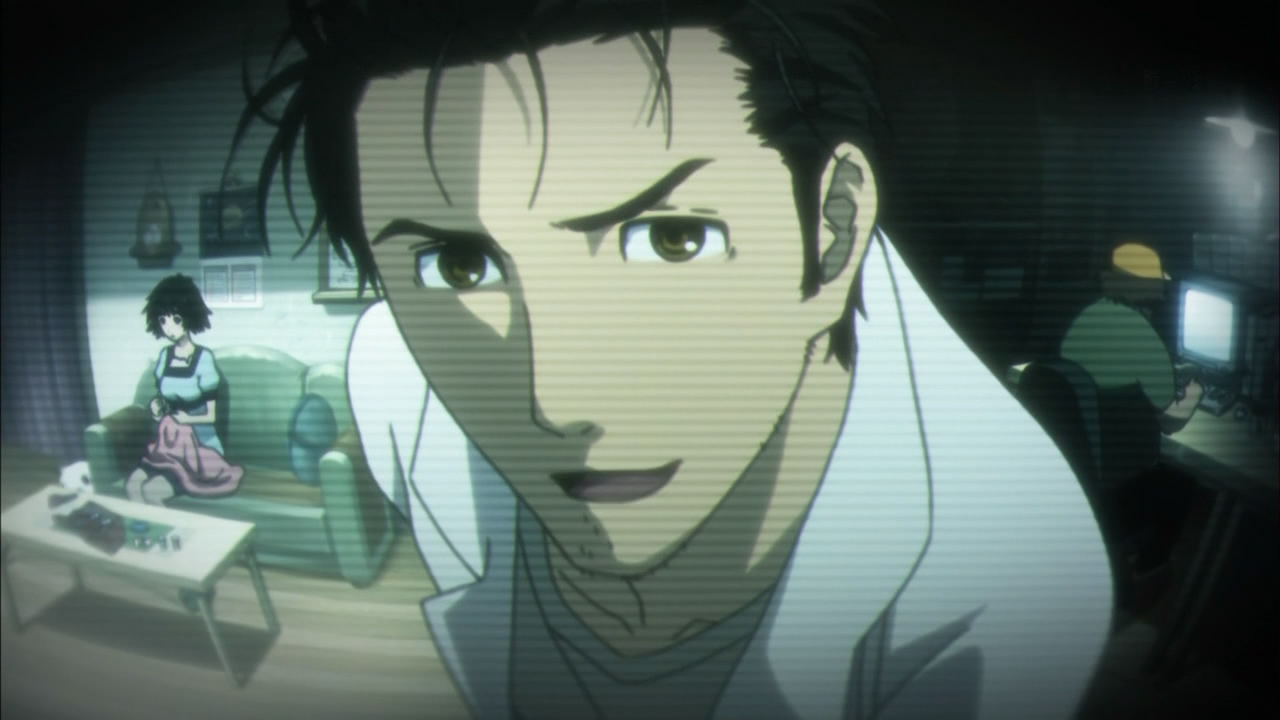
Itachi collapses against a wall, pokes his brother’s forehead one last time, and dies. Beautiful. Terrible. Then, months later, Sasuke learns the full truth — that Itachi spent his entire adult life being consumed alive by illness and guilt so that Konoha wouldn’t have to feel bad about ordering a massacre. The revelation doesn’t heal anything. It detonates.
This isn’t just a character contrast. It’s a structural choice, and the difference between these two moments tells you almost everything about what the story is actually trying to say about loss — and how honest it’s willing to be about it.
Jiraiya’s Death Was Designed to Be Unprocessable
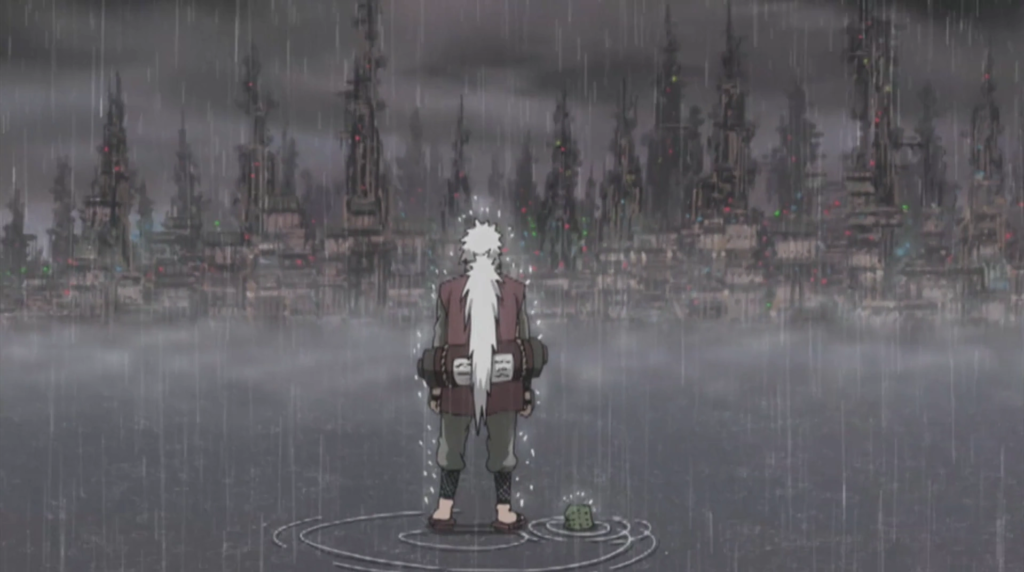
Jiraiya doesn’t die on-screen. That’s the first thing worth noting. He gets dismembered, sinks into the ocean, and the audience finds out through Fukasaku arriving at Konoha with the news. Naruto doesn’t get to watch it happen. No deathbed speech. No final look. Just an absence where there used to be someone enormous.
What he gets is a moment alone by the water — a short, gutting sequence where he processes six decades of mentorship in about four panels — and then the story asks him to keep moving.
That compression is intentional. Jiraiya’s death functions as a pressure valve. It builds enough emotional weight to justify everything that follows in the Pain arc without giving Naruto enough time to collapse under it. The grief is real, but it’s metabolized quickly, because Naruto has always been a character who converts pain into forward motion. It’s practically his entire personality.
The Pain arc then uses that unprocessed grief brilliantly. By revealing that Nagato was Jiraiya’s student too, the fight stops being about revenge and becomes a meditation on what a teacher’s love does or doesn’t prevent. Naruto isn’t just avenging someone. He’s inheriting the same impossible question Jiraiya never solved: what do you do with the hatred that outlives the people who created it?
Nagato Was Built to Be Understood, Not Defeated
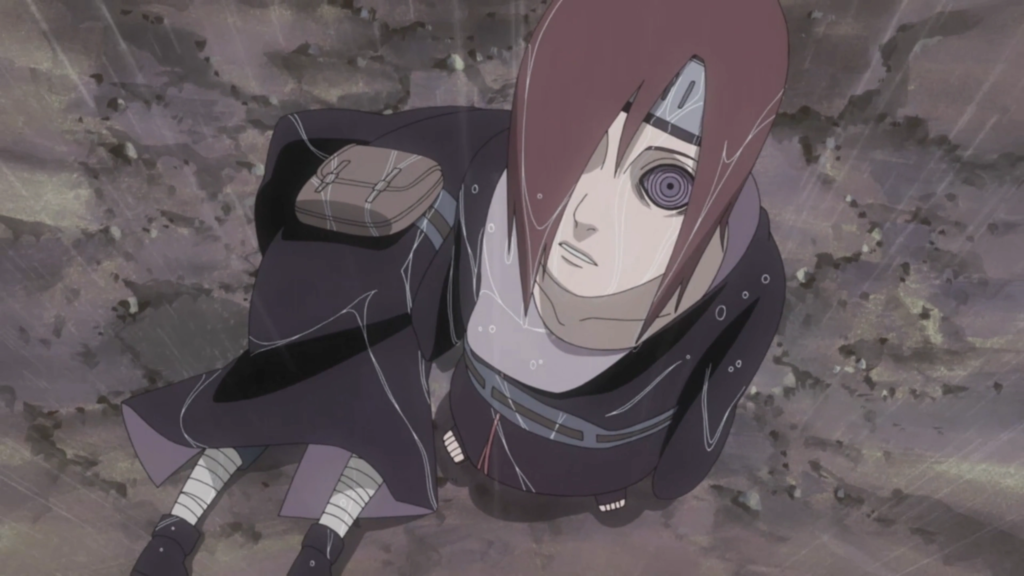
Here’s the structural move the Pain arc makes that the Itachi arc doesn’t: it gives the antagonist a backstory that runs parallel to the protagonist’s. Nagato lost his parents in a war, was found and trained by Jiraiya, lost his best friend Yahiko, and decided the world needed to experience pain in order to understand peace. That’s not a villain’s motivation. That’s a mirror held up to Naruto’s face.
Naruto defeats Pain through argument, not combat. The “talk no jutsu” jokes write themselves, but the narrative logic is precise. Nagato can only be reached by someone who shares his origin story and hasn’t broken the same way yet. When Naruto says he doesn’t have the answer but he’ll find one, Nagato believes him — because Nagato knows what Jiraiya believed in, and Naruto is standing proof that it wasn’t entirely wasted.
Then Nagato resurrects everyone he killed. Loss is real, the narrative says, but it can be undone if you choose the right path at the right moment.
That’s an extraordinarily hopeful position. It also bears no resemblance to what Sasuke experiences.
Itachi’s Death Doesn’t Come With a Resurrection
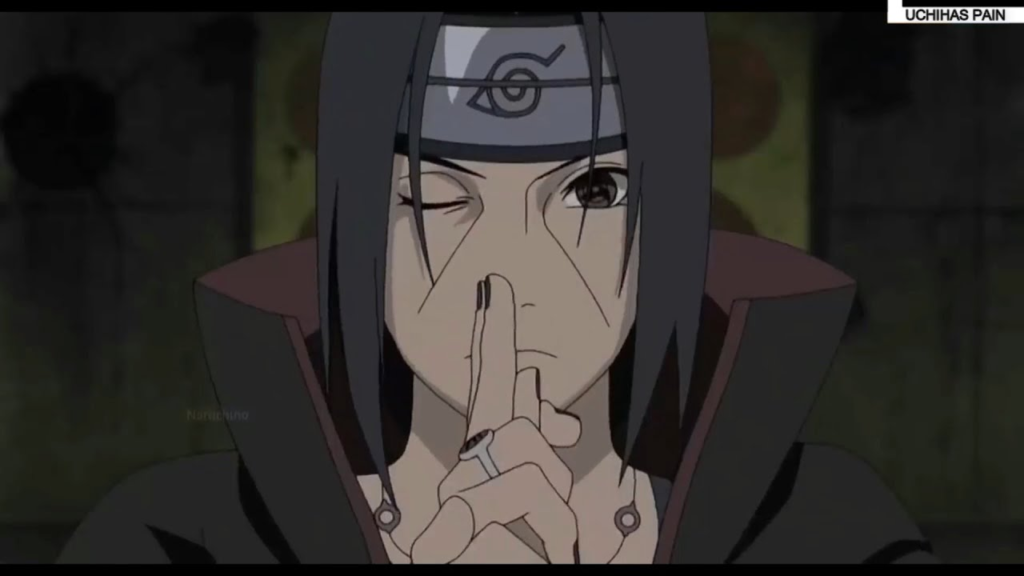
Itachi dying and having his entire life recontextualized are two separate wounds the story delivers in sequence, which is almost cruel in its structural precision.
Itachi dies as Sasuke’s enemy — beaten, which was his plan all along. The forehead poke lands as a gentle, incomprehensible goodbye. So the grief starts as hollow victory. Sasuke finally did it.
Now what.
What comes next is Tobi revealing the truth. And here the narrative makes a choice the Pain arc never had to make: the information doesn’t come through empathy or connection. It comes from a man with his own agenda, delivered in the form of a long, cold monologue designed to radicalize. Sasuke doesn’t learn that his brother was a secret hero through a moment of human contact. He learns it through someone who immediately pivots to recruitment.
There’s no resurrection available here. The Uchiha clan is still dead. Itachi is still dead. And the version of Itachi that Sasuke hated for most of his life has been replaced — retroactively — by a version he had no chance to love while it was alive. Every memory recalibrates. Every childhood moment reweights itself.
That’s not a grief arc. That’s a haunting.
What Kishimoto Was Actually Building Toward
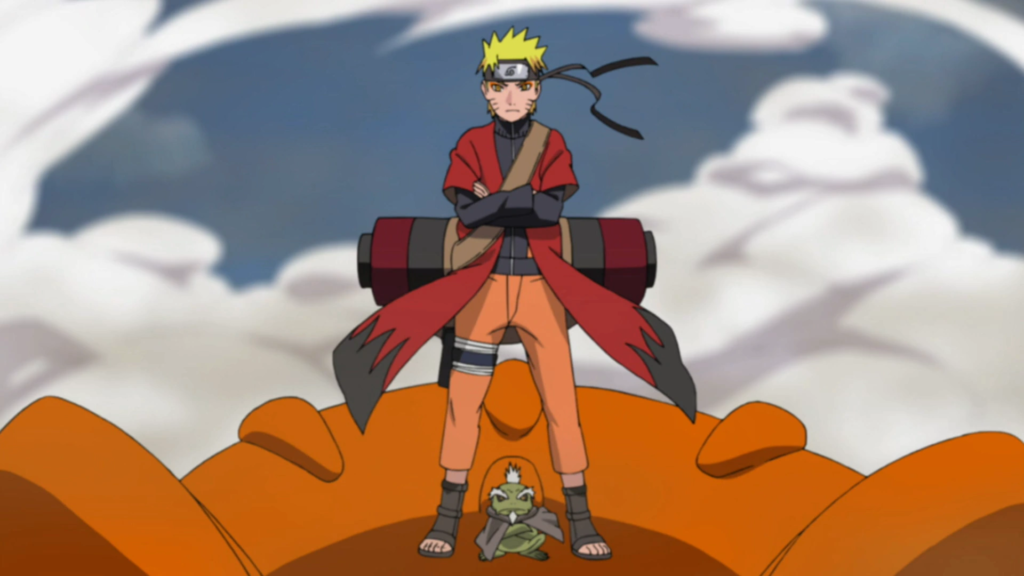
The Pain arc ran in 2008 and 2009, at a point when the manga was operating at maximum pressure and global readership. Kishimoto needed it to function as an emotional thesis statement — something that justified the entire tonal direction of the series. It had to be cathartic. It had to land. And it does, precisely because the mechanics are built for resolution.
Itachi’s backstory was seeded across nearly the entire run of the manga, starting from some of the earliest chapters. The architecture was never designed for catharsis. It was designed to be a slow-burn exposure of something uncomfortable: that the Hidden Village system, the same system Naruto eventually defends and leads, routinely asks individuals to absorb unbearable suffering so the institution doesn’t have to examine its own contradictions. Itachi is the product of that arrangement. His story isn’t a tragedy with a redemptive arc. It’s a structural indictment that gets quietly buried under the weight of the main plot.
The grief after Itachi’s truth isn’t meant to be processed. It’s meant to fester.
Two Kinds of Loss, One Story
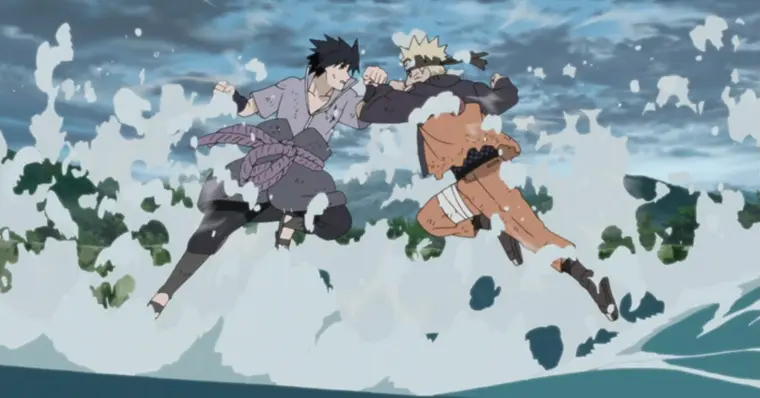
The Pain arc says: grief can be transformed into empathy, cycles of hatred can be broken, and loss doesn’t have to mean the end of possibility. Naruto lives this argument entirely.
The Itachi arc says: sometimes understanding comes too late, and the truth doesn’t set you free — it just changes the shape of the cage.
Both are true. Both exist inside the same story simultaneously. And the fact that Naruto spends the back half of the series trying to save Sasuke using exactly the approach that worked on Nagato — empathy, shared pain, sheer relentless belief — and only barely succeeds at enormous cost, is perhaps the most honest thing the narrative manages to say.
Some cycles are just harder to break than others. Especially the ones the people in charge designed on purpose.