

Every shonen protagonist eventually walks into an arena where the rules are simple: fight your way to the top, and merit alone determines who wins. The Chunin Exams. The World Martial Arts Tournament. Heaven’s Arena. The Sports Festival. These arcs promise the most seductive lie in fiction—that talent and effort operate in a vacuum, free from the messy variables that actually determine success.
The tournament arc is where shonen anime becomes a meritocracy simulator. Train hard enough, want it badly enough, and you’ll win. Except when you watch closely, these arcs accidentally reveal something darker: they’re not depicting meritocracy. They’re depicting how we’re taught to believe in it.
The Illusion of Equal Footing
Tournament arcs pretend everyone starts at the same line. The narrative frames these competitions as neutral ground where only skill matters. But strip away the dramatic music and watch what actually happens.
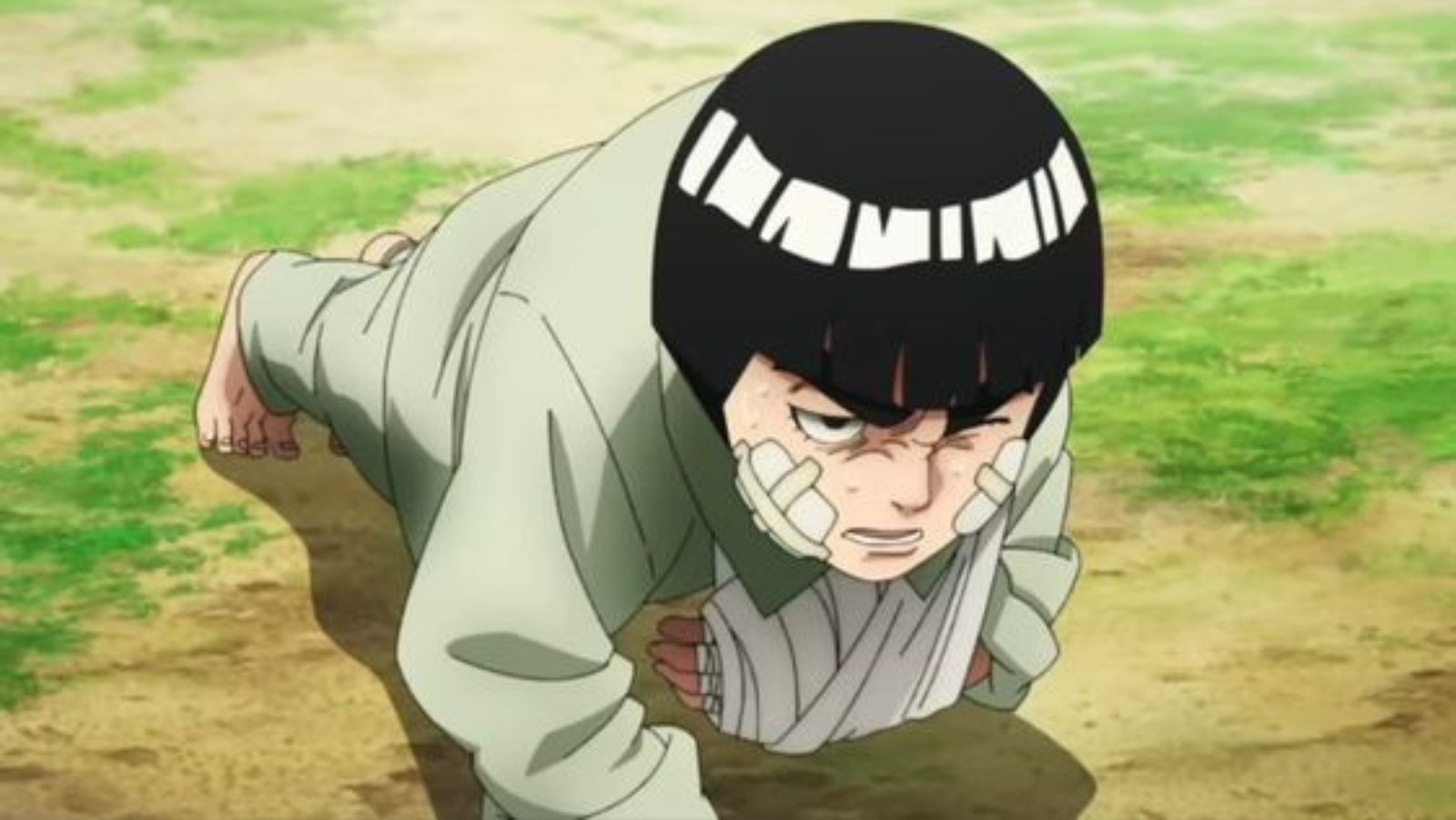
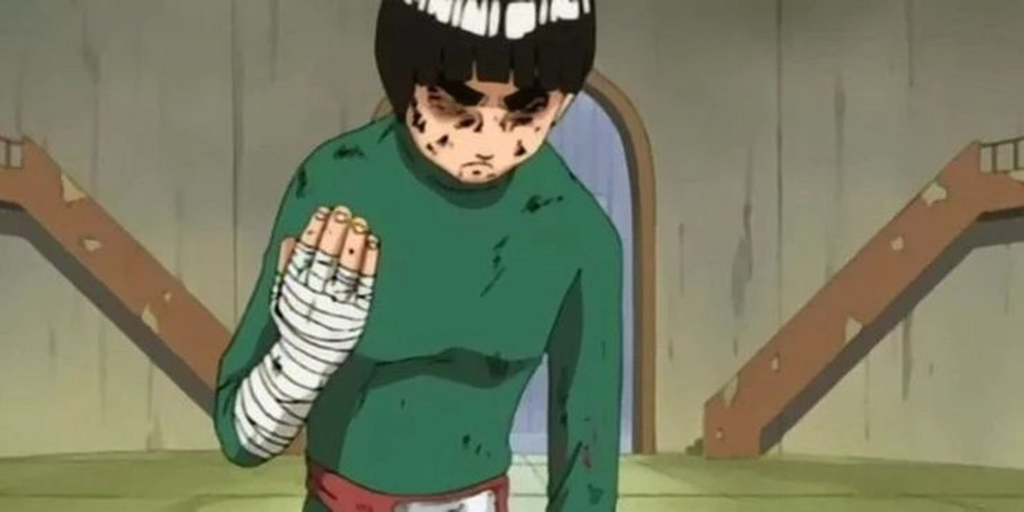
The Chunin Exams pretend to be neutral ground, but the playing field was never level. Sasuke gets personal coaching from Kakashi before facing Gaara. Rock Lee trains under Might Guy’s brutal, specialized regimen. Neji carries the advantages of Hyuga clan techniques and status. And Gaara enters with a tailed beast sealed inside him—power that isn’t earned so much as inherited and survived.
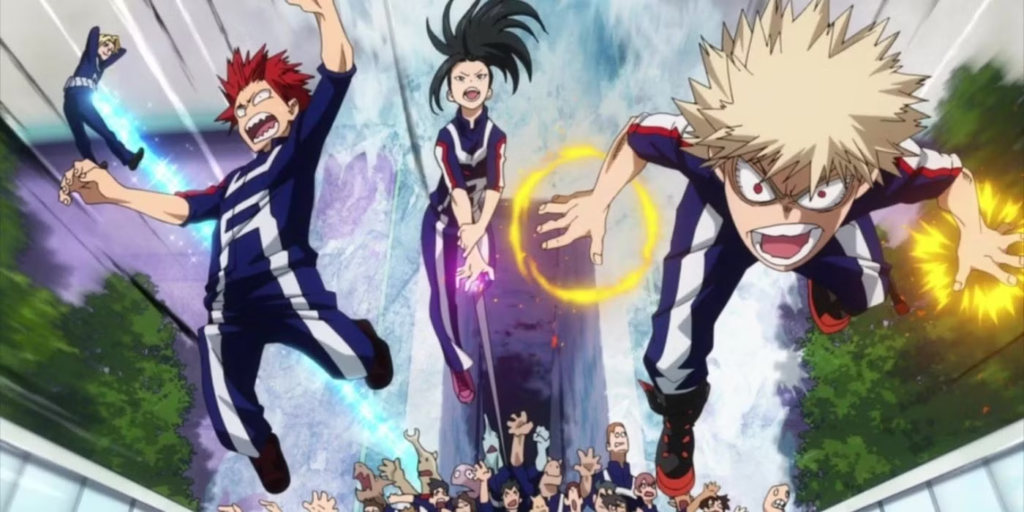
My Hero Academia’s Sports Festival sells itself on the same premise—prove your heroic worth through competition. But Todoroki enters with a quirk bred specifically for power through an arranged marriage designed to create the perfect hero. Yaoyorozu comes from wealth and elite upbringing that shaped her preparation and confidence in ways most students never experienced. Deku literally received his power from the previous #1 hero through personal connection.
The starting line was never equal. The tournament just makes it look that way.
Bloodlines and Birthday Lottery
Shonen anime loves the hard work versus talent debate, but tournament arcs reveal a third, unspoken category: inherited advantage. The Uchiha clan. Saiyan biology. One For All. Nen talent. These aren’t things you can train into existence.
Sasuke doesn’t just work hard—he’s born into a genetic lottery that gives him the Sharingan. Gon isn’t just determined—he appears to have extraordinary potential, and being Ging’s son frames that potential as part of a legacy others can’t access. The tournament arc narrative insists these are still fair competitions because everyone tried their best.
Watch how these arcs handle legacy advantages. They acknowledge them, then narratively dismiss them as just another obstacle to overcome. Rock Lee’s entire character exists to say “hard work beats talent,” but the story itself doesn’t believe this. Lee loses to Gaara, who has a tailed beast providing supernatural power. The tournament validates what it pretends to challenge.
The Real Winners: Narrative Favorites
Here’s what tournament arcs actually determine—who the story wants to advance. Losses aren’t about merit; they’re about whose character arc needs development right now.
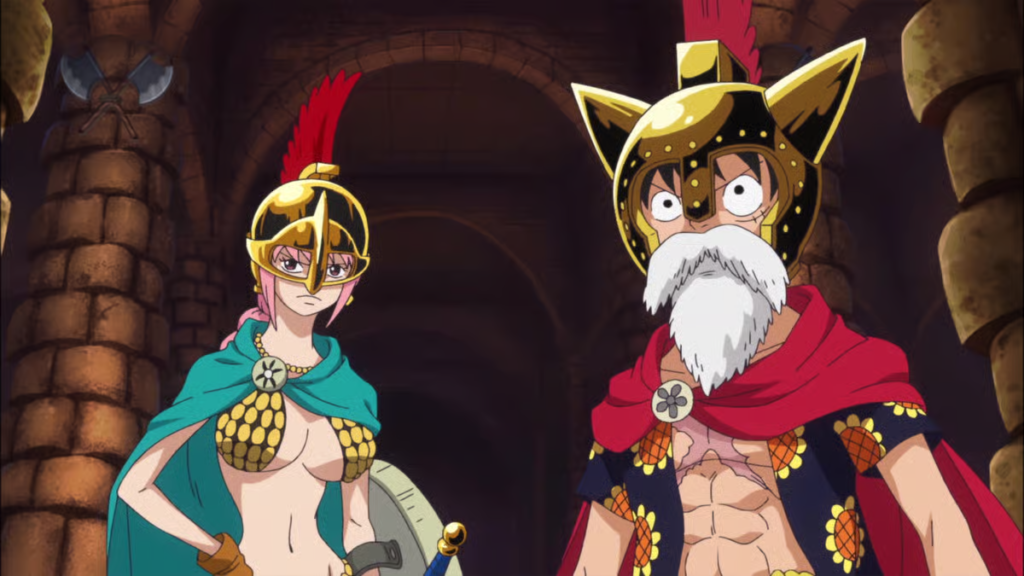
Goku loses the 21st World Martial Arts Tournament to Master Roshi in disguise because the narrative isn’t ready for him to win yet. One Piece occasionally highlights how tournaments are spectacles shaped by power, politics, and manipulation—the Corrida Colosseum in Dressrosa makes that explicit, turning competition into theater controlled by Doflamingo’s broader schemes.
The brackets themselves expose this. Convenient matchups. Strategic byes. The protagonist’s main rival coincidentally placed in the opposite bracket for a climactic final. Tournament arcs pretend randomness determines match-ups, then arrange encounters based entirely on narrative necessity.
Togashi understood this and built it into Hunter x Hunter’s Heaven’s Arena. The system isn’t presented as fair—it’s a hierarchy where advancement depends on knowledge, timing, and understanding how the rules actually work. Those who already know the system have advantages that skill alone can’t overcome.
The Meritocracy Machine
Tournament arcs became a dominant shonen structure through the late 20th century, shaped by Japan’s school entrance exam culture and workplace competition narratives. The tournament mirrors the systems that defined success in post-war Japanese society—the corporate ladder, the university entrance exam, the promise that effort alone determines outcomes.
But those systems were never purely meritocratic. They were reinforced by lifetime employment structures in major firms, family business succession, gender-based role divisions, and hierarchies that shaped opportunity before individual merit entered the equation. The tournament arc is a fantasy of social mobility that flattens these complexities into simple competition.
The darker reading is that tournament arcs don’t challenge the meritocracy myth—they reinforce it. By acknowledging advantages (bloodlines, mentorship, resources) but still framing outcomes as merit-based, they teach audiences to see systemic inequality as just another personal obstacle to overcome. The problem isn’t the rigged system; the problem is you didn’t train hard enough to beat it.
When the Lie Becomes the Point
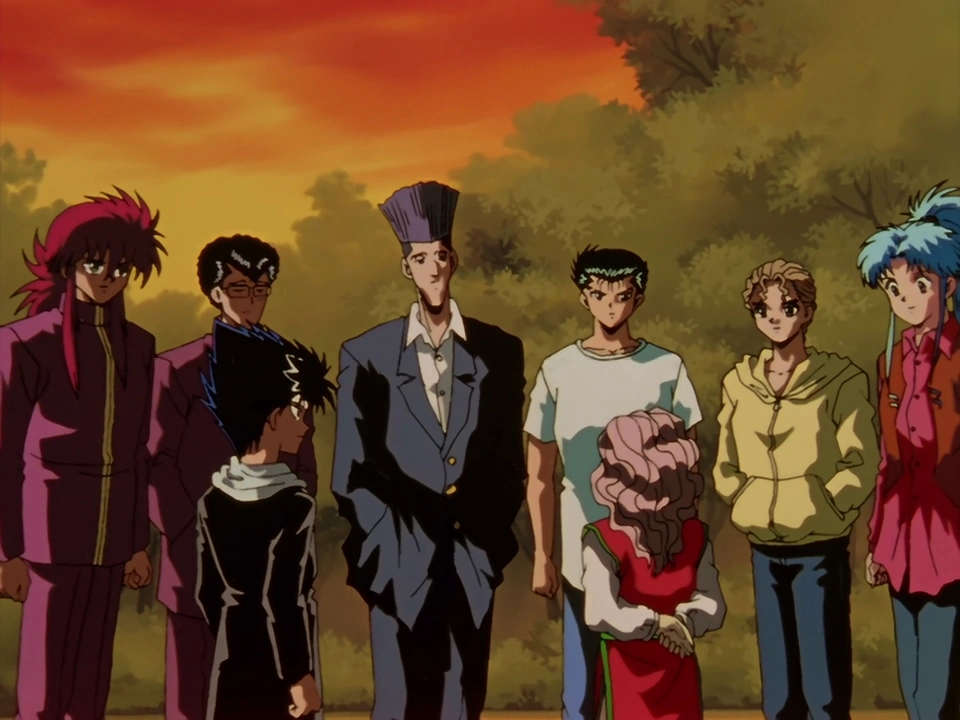
The most honest tournament arc might be Yu Yu Hakusho’s Dark Tournament, which is controlled by corrupt organizers from the start. The rules exist mostly to create spectacle. Violence is constant. Fairness is irrelevant. Teams face assassination attempts between rounds. The tournament isn’t testing merit—it’s testing survival in a system designed to be unfair.
And Team Urameshi wins anyway, which sounds inspirational until you realize what the arc actually says: even when you acknowledge the game is rigged, the only solution offered is to be strong enough that it doesn’t matter. Not to change the system. Not to question why this is how worth gets determined. Just get stronger.
This is the tournament arc’s final lesson—meritocracy doesn’t have to be real to be useful. It just has to be believable enough that people keep trying.
The Arena Never Leaves

Tournament arcs end, but their logic doesn’t. After the brackets close, shonen anime continues measuring worth through combat, reducing complex capability to who wins in direct confrontation. The arc trains viewers to see hierarchies as natural, outcomes as earned, failure as personal inadequacy rather than systematic inequality.
Watch a kid explain why their favorite character deserves to win. They’ll cite training arcs, power levels, technique mastery—all the metrics tournament arcs taught them matter. They’ve internalized the meritocracy framework so completely they apply it to fiction designed around narrative necessity, not competitive fairness.
The tournament arc isn’t just a story structure. It’s practice for believing in a system that markets itself on merit while running on everything else.
And somewhere, another protagonist is walking into another arena, ready to prove that hard work and talent are all that matter. The brackets are set. The fights are scheduled. The lesson begins again.